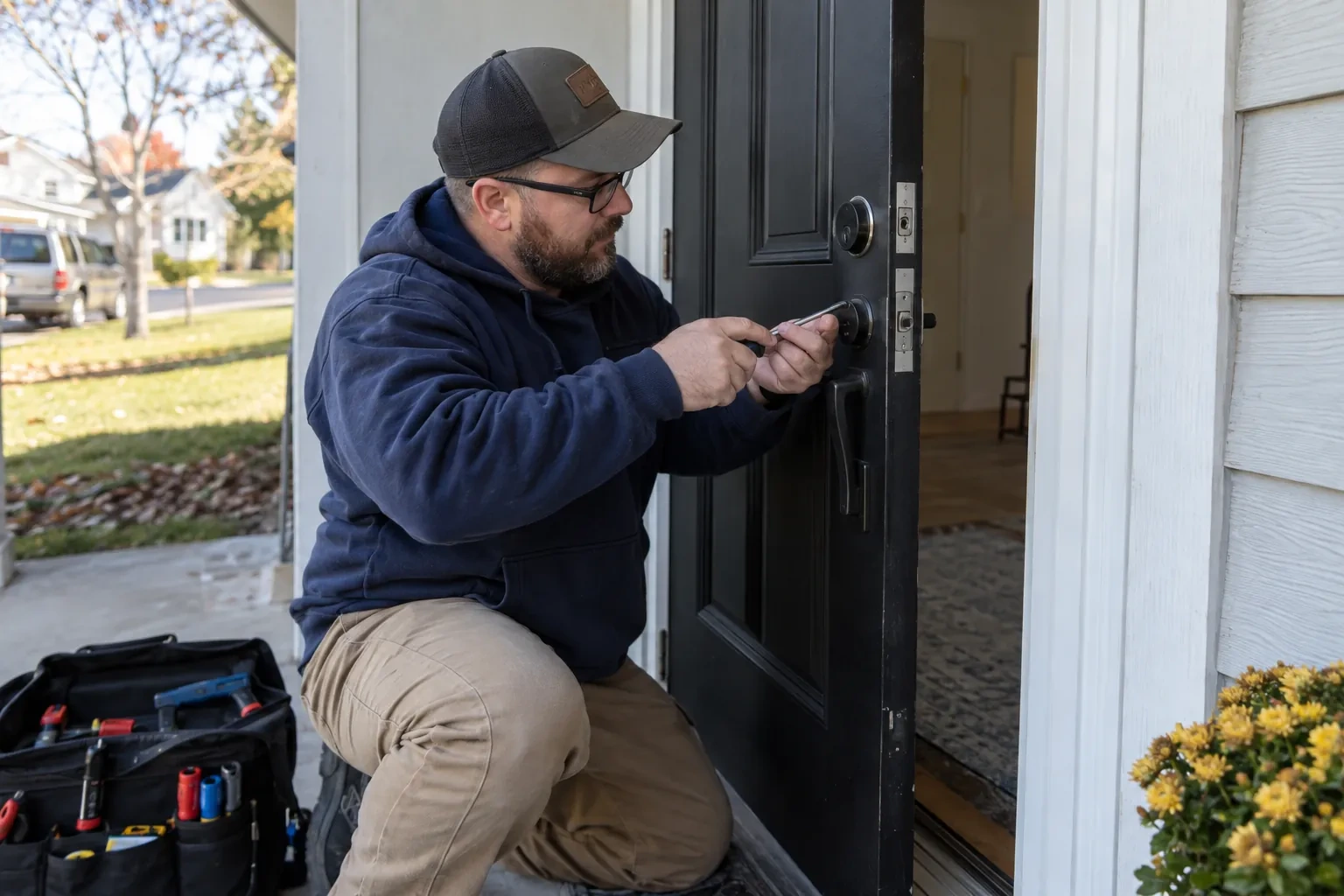
Locksmith in Leckie Park, OntarioOlder homes.Original locks, still working.
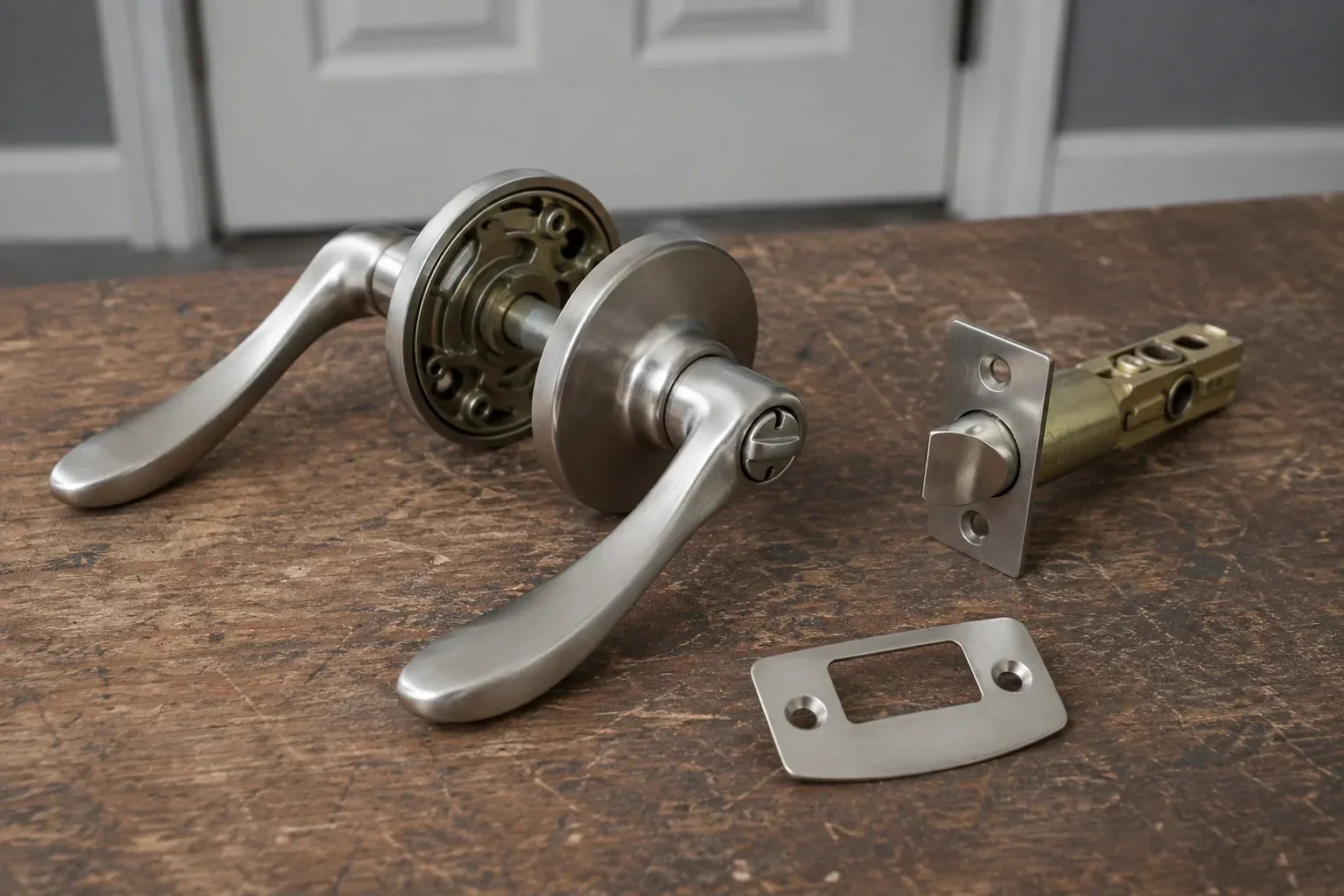
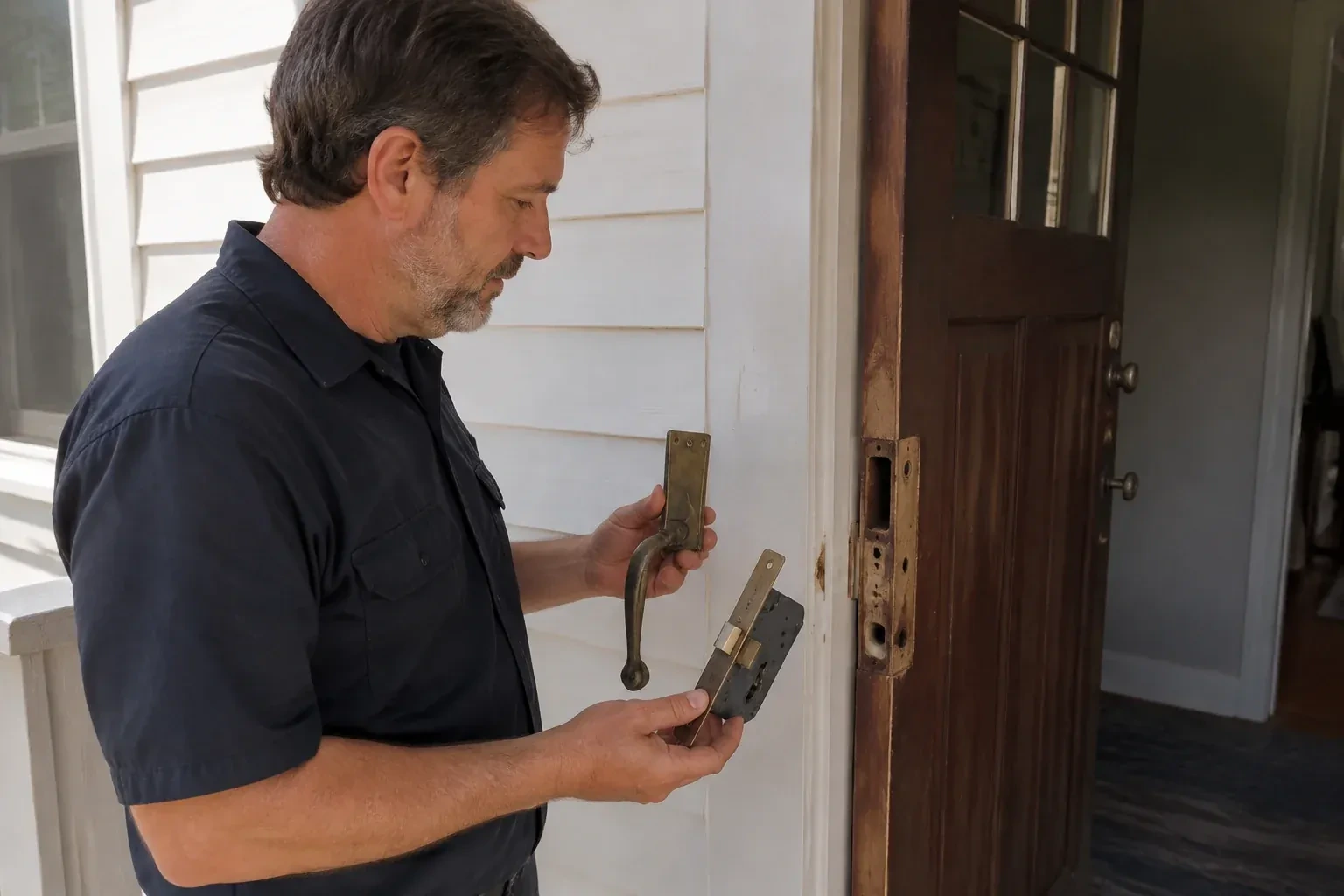
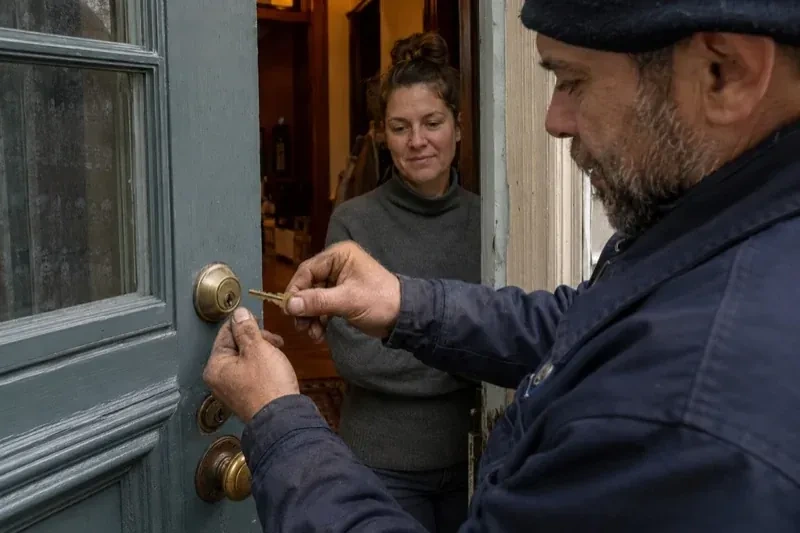
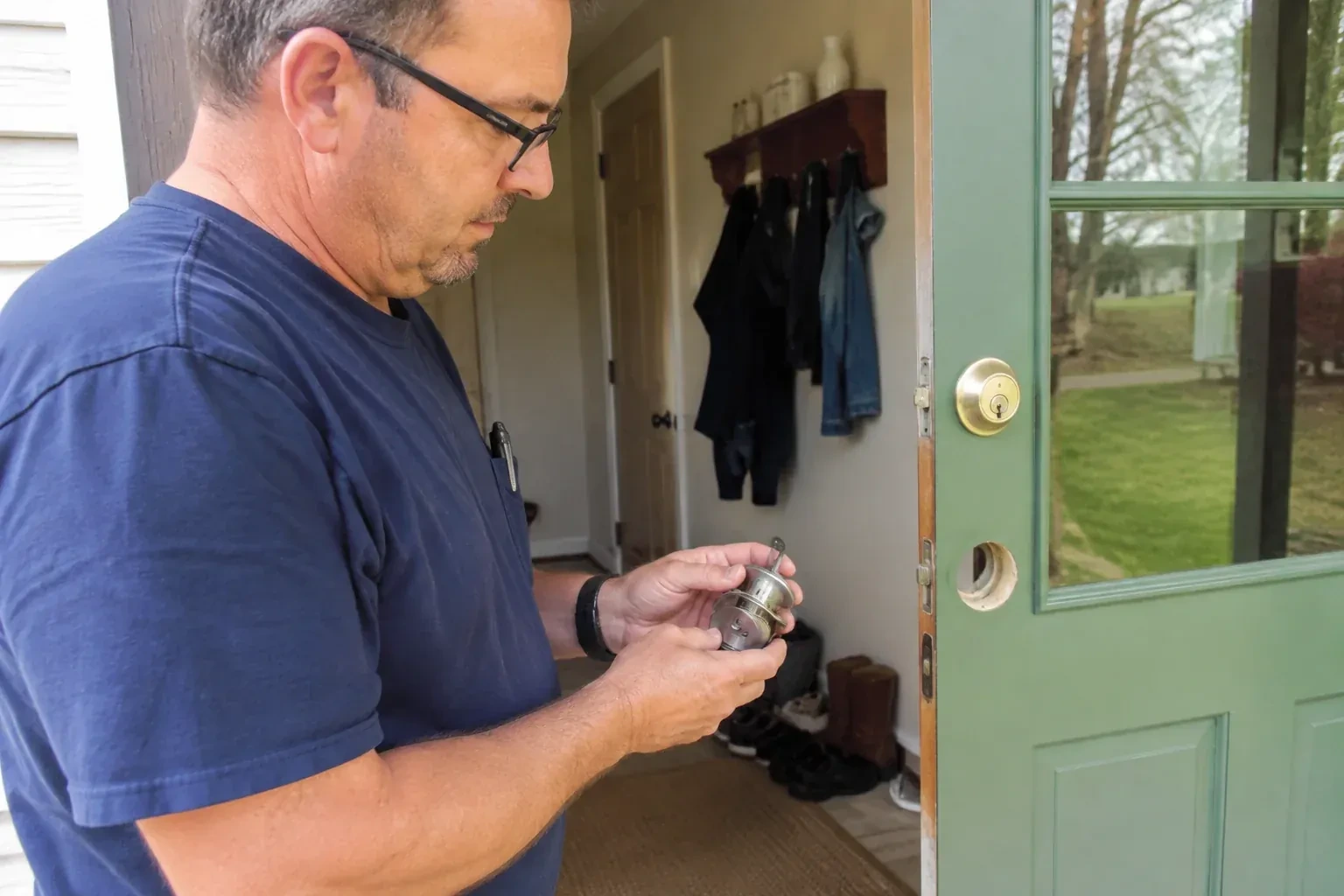
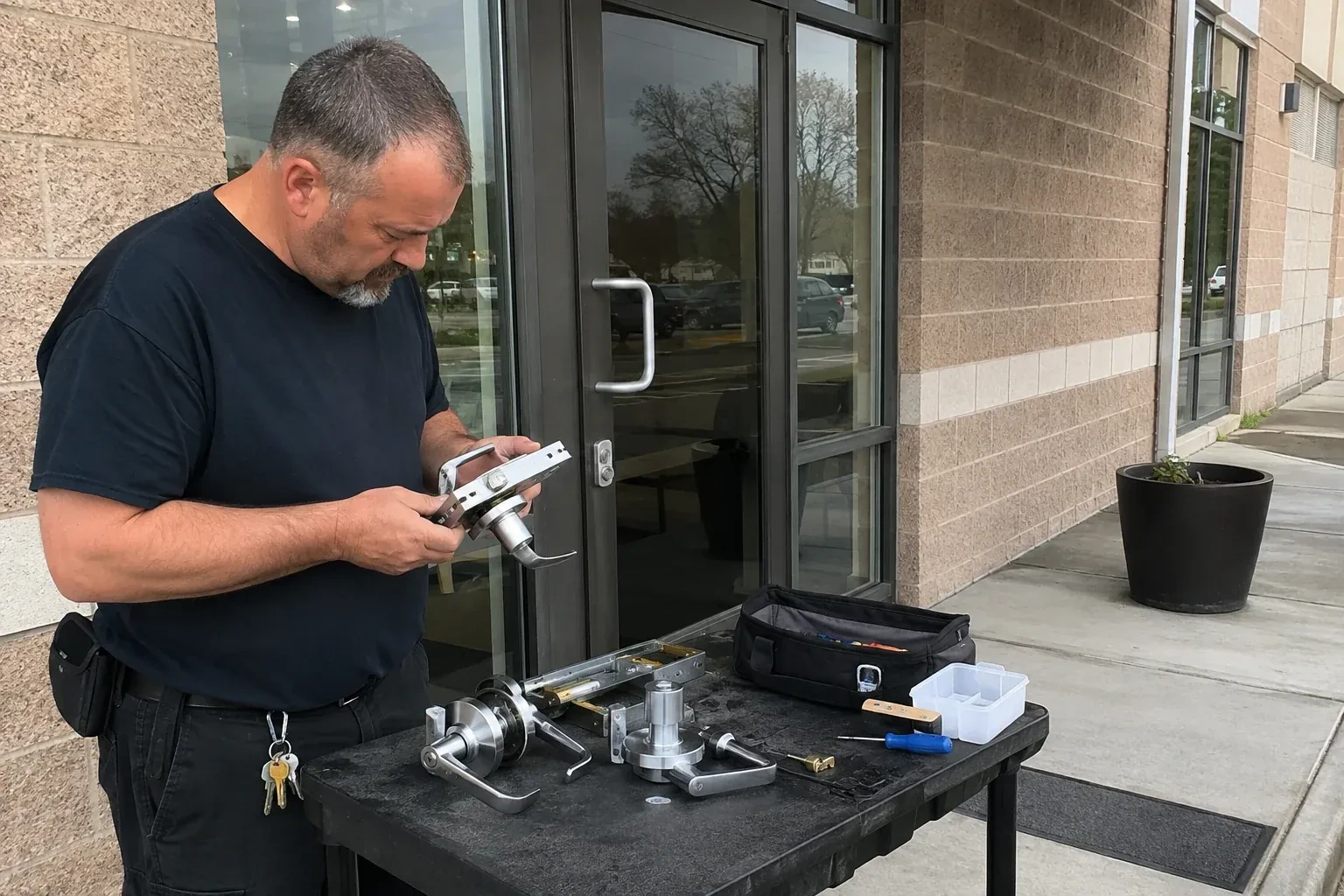
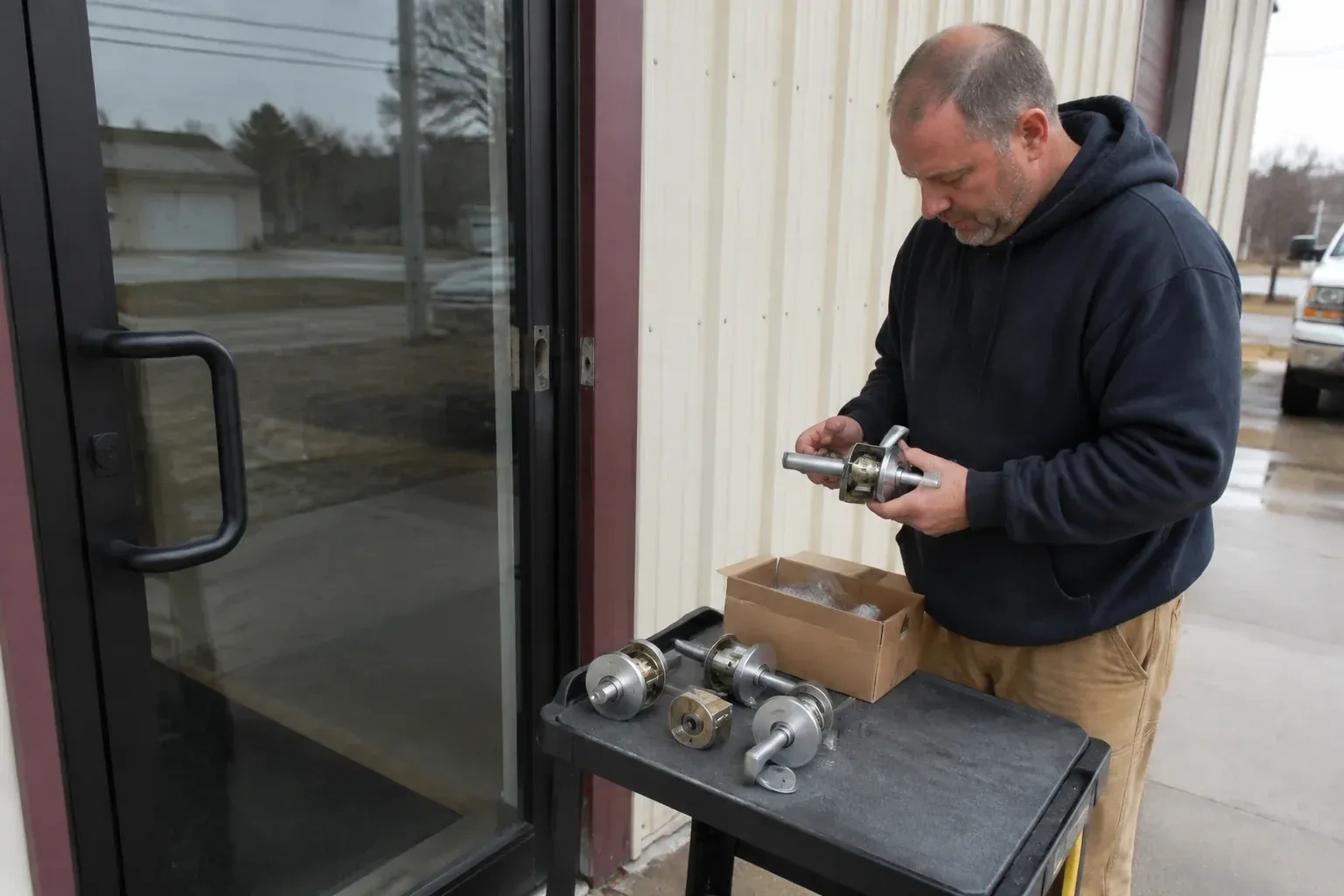
Plenty of houses in Leckie Park still carry their first mortise locks and brass knobs, and they are worth keeping. We service that hardware so it turns freely again, find matching parts where they exist, and only suggest replacement when a piece genuinely cannot be brought back. Character stays; the door locks. This page also covers Elfrida.
Plenty of houses in Leckie Park still carry their first mortise locks and brass knobs, and they are worth keeping. We service that hardware so it turns freely again, find matching parts where they exist, and only suggest replacement when a piece genuinely cannot be brought back. Character stays; the door locks. This page also covers Elfrida.
Getting you back inside, gently.
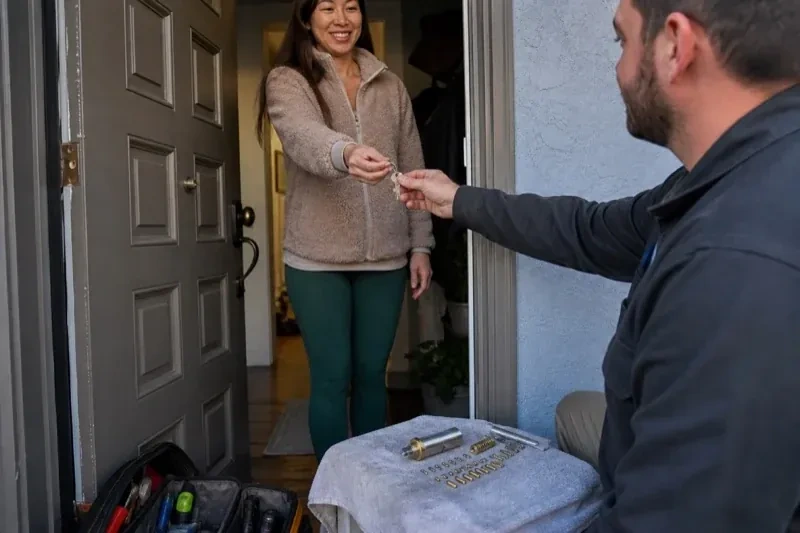
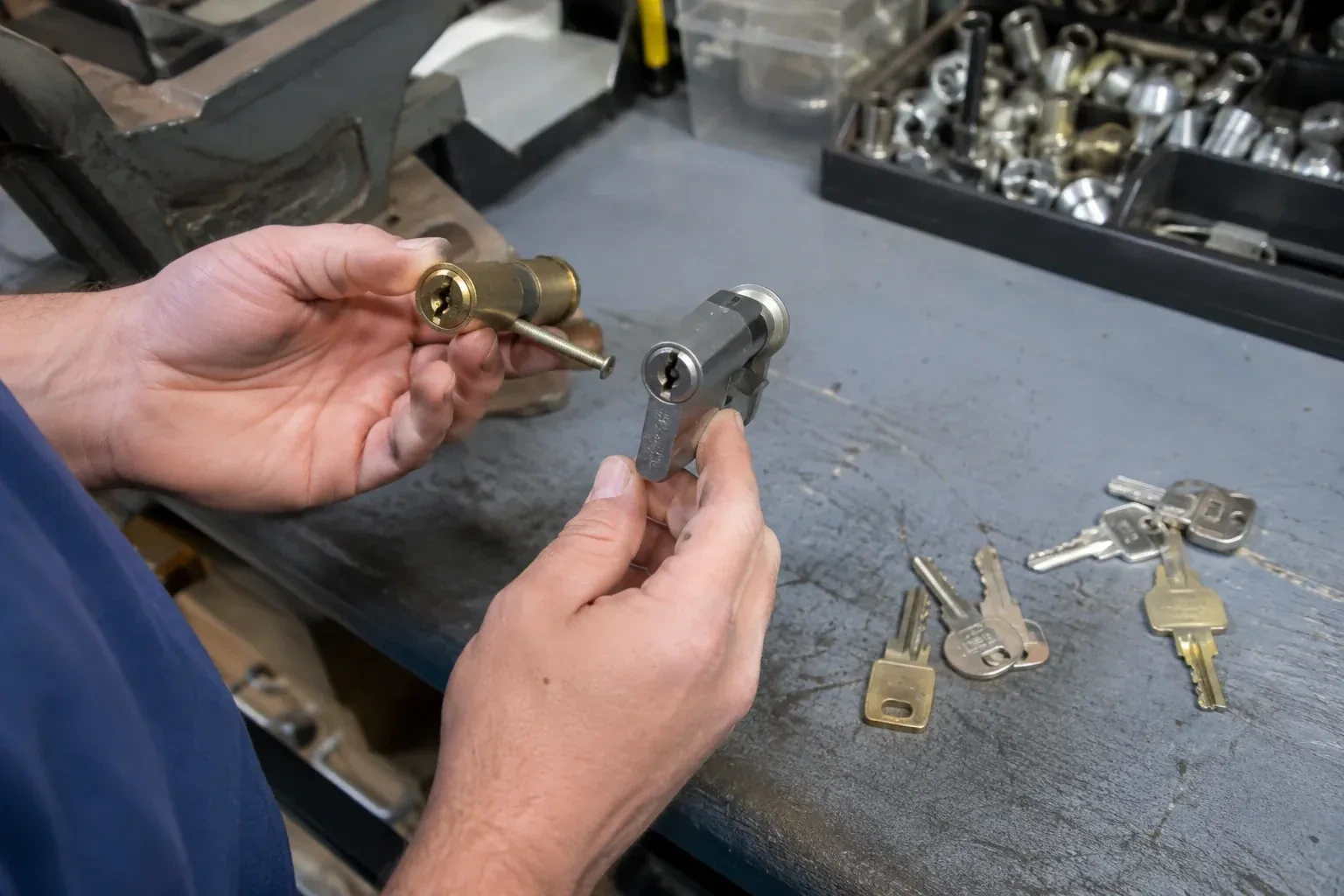
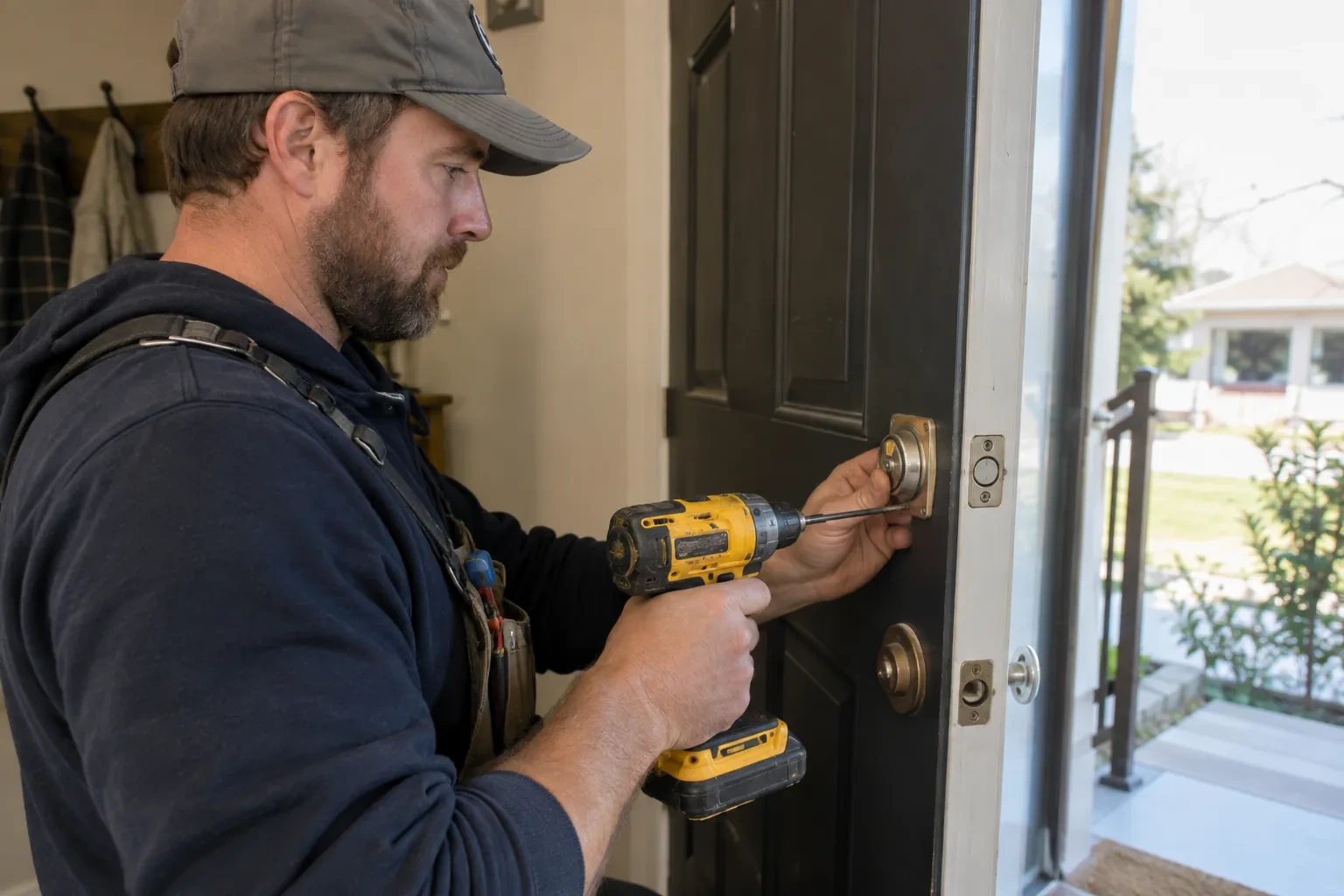
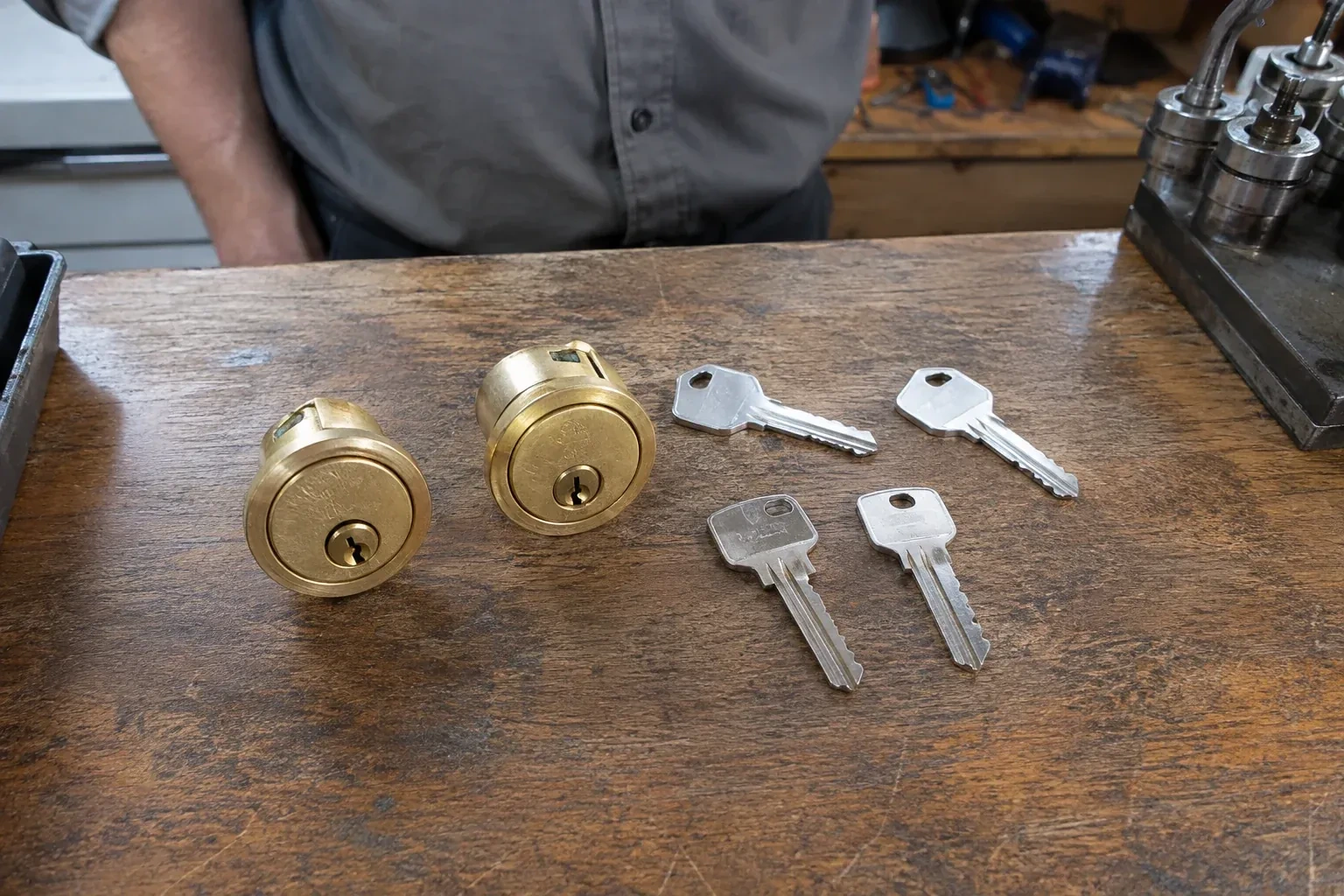
Rekeying is our favourite answer in Leckie Park because it keeps good hardware in service. The lock stays, the pins change, the old keys stop working and the new ones are cut on the spot. It suits a move, a lost key or a staff change, costs less than replacement, and leaves the door looking exactly as it did.
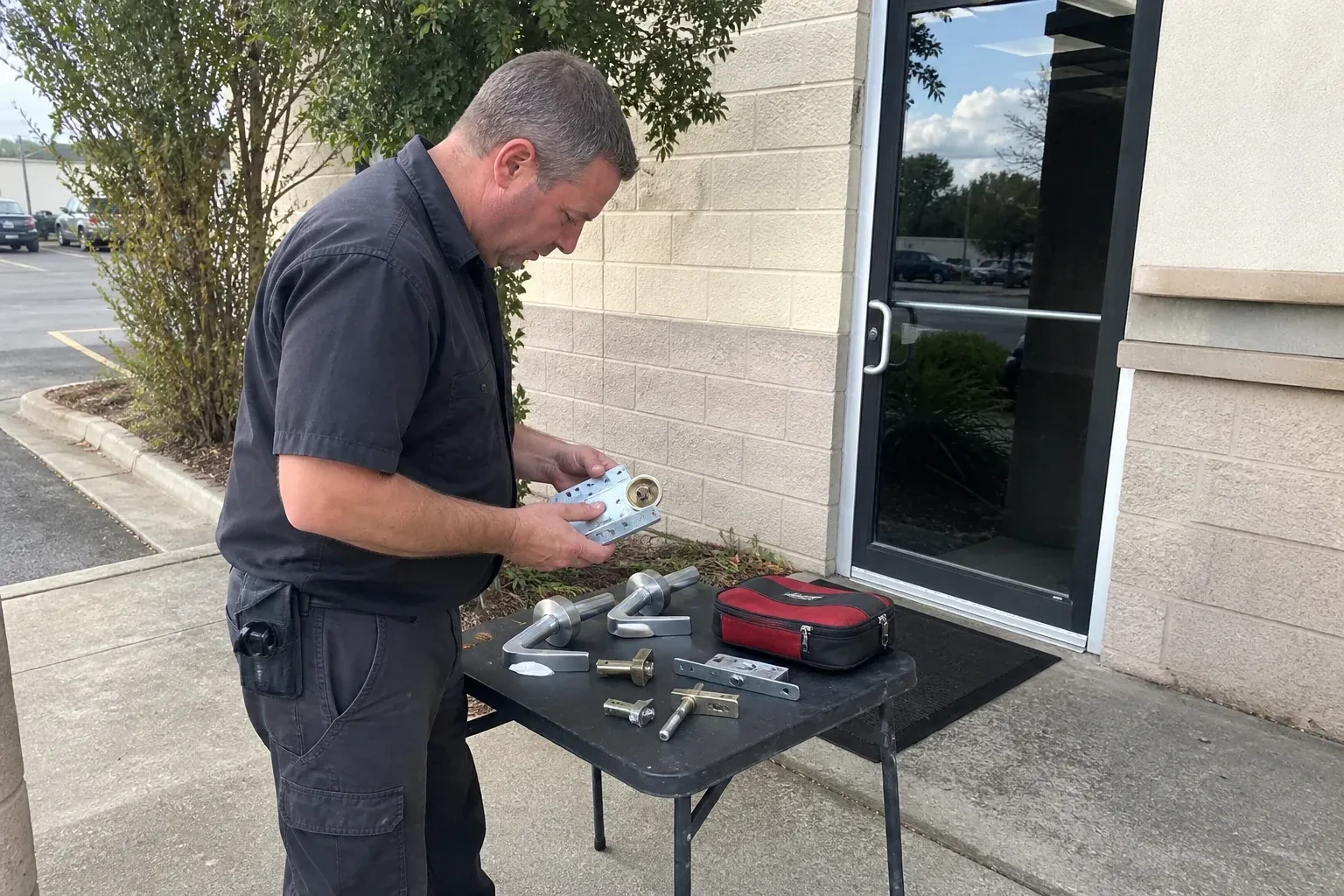
Businesses in Leckie Park have their own set of lock questions: who holds keys, what happens at staff turnover and whether the back door really closes. We help shops, offices and small warehouses sort these out with rekeying, key logs, keypads and panic hardware that suits the building. Work can be timed around your hours, and we leave you with a system your team can actually manage.
33years in business
24/7open every day
You set the pace. We explain, you decide, we work. If you would rather sleep on a bigger change, we do what is needed now and leave the rest for another visit.
The reasoning behind each suggestion. Every recommendation comes with the reason for it, in language that does not require you to know the trade. Ask why as often as you like.
Order restored. Tools packed, dust cleared, doors closed properly. We leave your home or business looking as it did, with the lock problem gone.
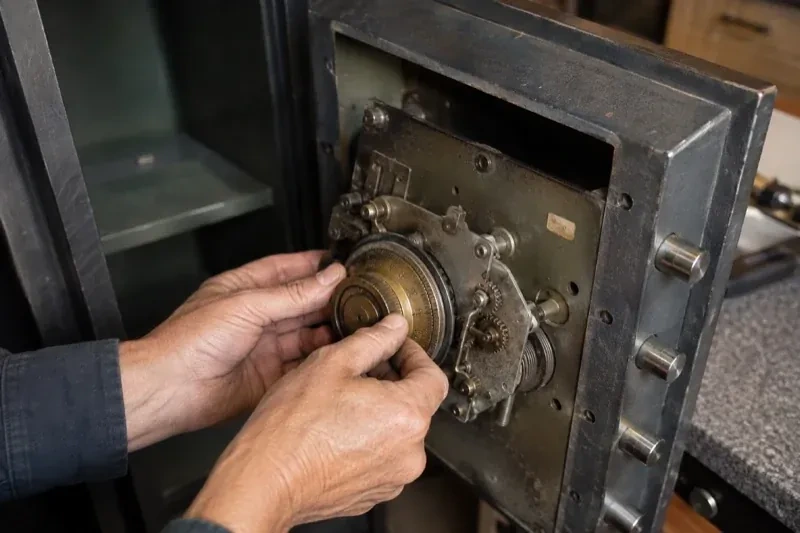
In Leckie Park the work spans everything on a door that turns, latches or bolts. Homes: lockouts, rekeys, replacements, deadbolts, smart locks, heritage hardware. Businesses: storefront locks, exit devices, closers, master key systems, safes. Read the service that fits and see how a visit runs from start to finish.
About 61% of homes in Hamilton were built in 1980 or earlier, according to the 2021 Census.
Older homes
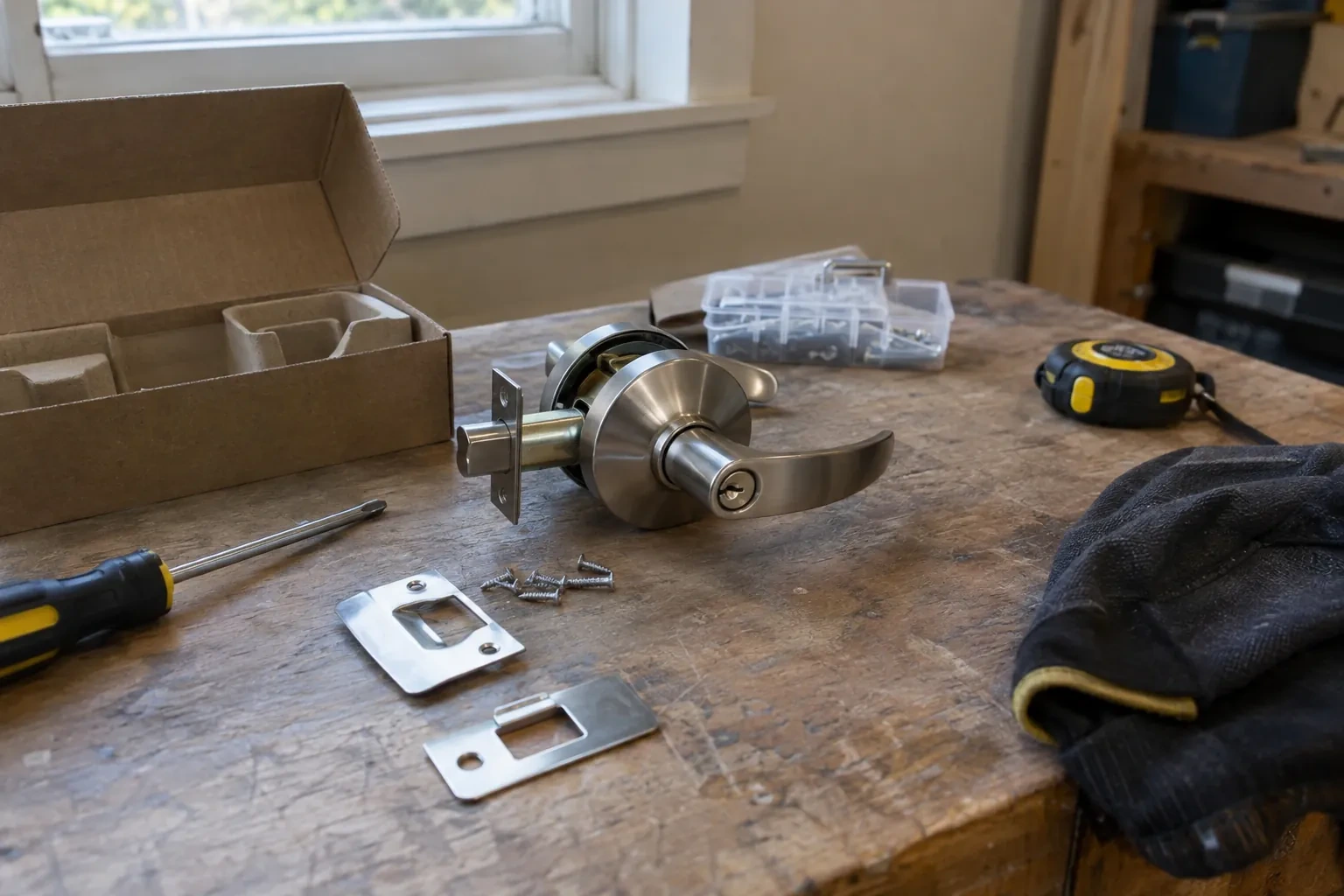
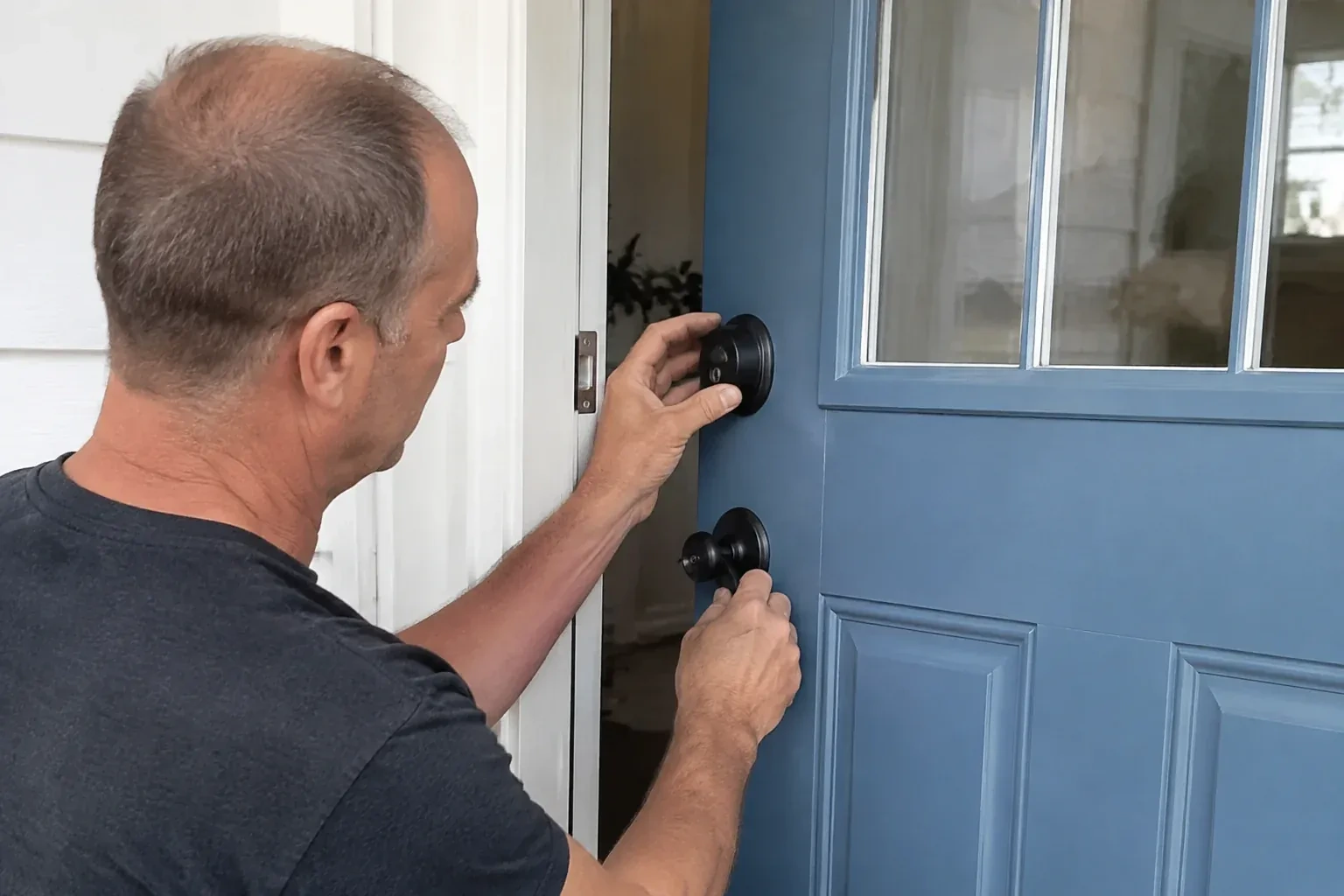
Older doors are usually thicker and made of solid wood, which is good news. They take a deadbolt well, hold longer strike screws, and reward reinforcement. The locksmith measures the thickness and backset so new hardware fits without fresh holes.
Single-detached houses make up about 56% of homes in Hamilton (2021 Census).
In areas of mixed housing, landlords may own a house here and a few units there. A locksmith can put all of it under one master system so the owner carries one key while each tenant's key opens only their own door.
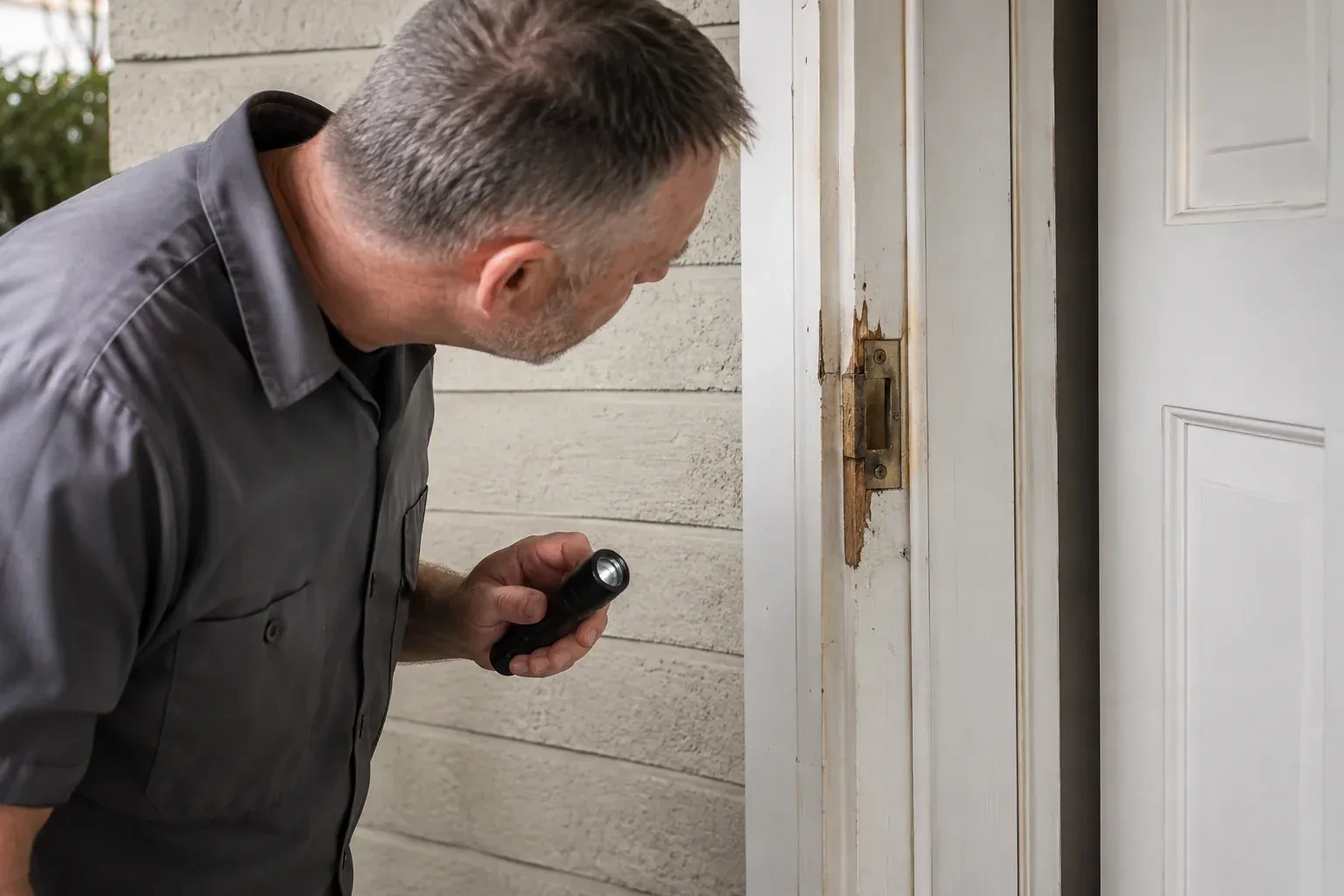
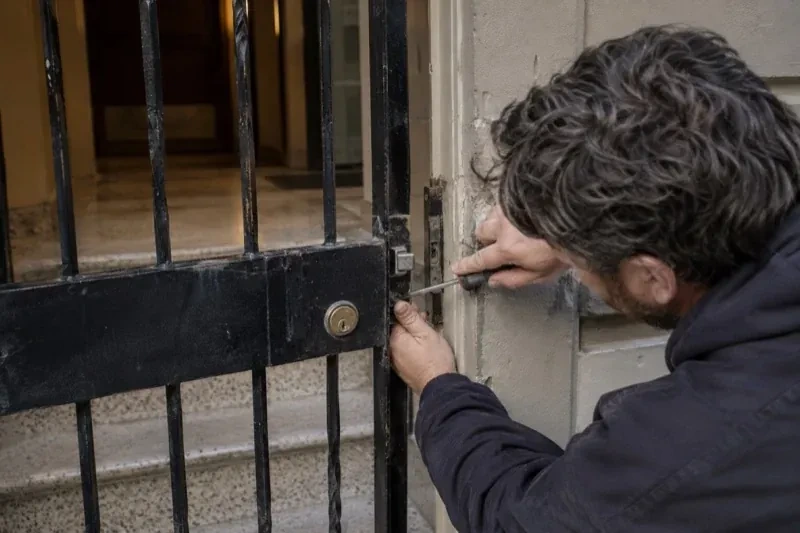
They did not get in. The attempt left a screwdriver gouge in the door edge, a strike plate bent outward and a deadbolt that now needs a shove to throw. The lock held, but the door is telling you it was tested.
The keys fell out of a gym bag somewhere between the arena and the parking lot. The ring has a tag from the building with the unit number on it. Whoever finds it has an address and a key that fits.
Every morning the front door key needs the same little dance: push in, lift, wiggle, turn. It has been getting worse for a year, and this week it took three tries in the cold before the deadbolt finally gave.
After a wet summer the entry door sits lower in its frame. The lock works perfectly when the door is open, but with it shut you have to lift the handle and shoulder the door to get the deadbolt to throw.
The kids get home before you do and the spare key has been lost twice this school year. A keypad they can tap, plus a message to your phone when the door opens, would take a daily worry off the list.
Every time the courtyard gate closes, it slams hard enough to rattle the fence panels, and the deadlatch never quite drops into the keeper before the spring yanks it the rest of the way. One good gust of wind and it bounces right back open.
After a winter of road spray and salt, the little lock on the mailbox door has gone stiff, then gritty, then almost immovable. Rust has crept in around the keyway, and the key barely turns anymore no matter how it is worked.
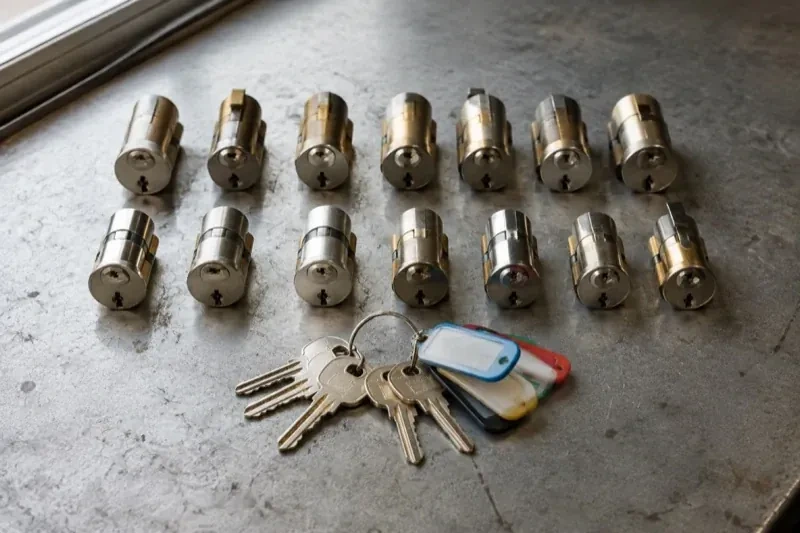
A property manager taking over a small commercial building inherits a shoebox of keys with no labels and no chart. Some open the mechanical room, some open vacant units, and a few do not seem to match anything currently on the property at all.
The key slides in fine and turns without any resistance at all, and the dash lights flicker, but nothing catches. No click, no crank, just a key spinning loosely in a slot that used to grab hold of it properly.
Sliding doors, side gates, basement walkouts and garage entries are often the paths of least resistance on a house. High security work is not just about the front door; it is about closing the easy routes so the strong door is not simply bypassed.
The house is fifteen years old and every exterior door still wears the light hardware the builder fitted: a short bolt, a thin strike held by two small screws, and a knob lock that never suited a street entrance.
Police have come and gone, the occurrence number is on a sticky note, and you are standing in a cold hallway looking at a splintered frame, wondering how the house gets locked before everyone tries to sleep.
Business owners usually want two things from us: to know exactly who can open which door, and to stop worrying about it. The services here, from rekeying to full access control, are different ways of getting to that point.
WhyFor a landlord, a host or anyone who shares a door with people who come and go, the appeal is control without key cutting.
Every time the courtyard gate closes, it slams hard enough to rattle the fence panels, and the deadlatch never quite drops into the keeper before the spring yanks it the rest of the way.
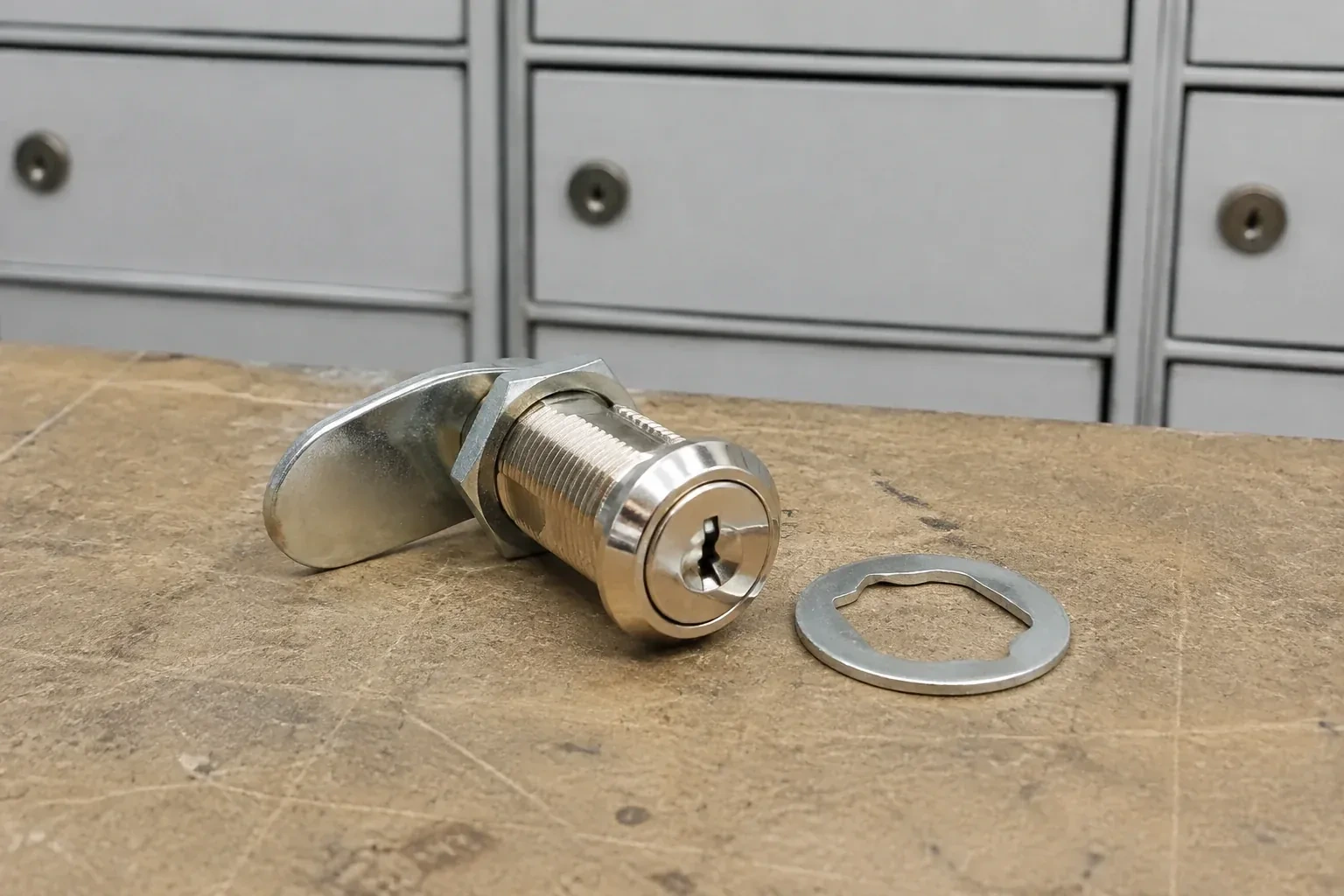
WhyMailbox lock replacement swaps the small lock inside a mailbox door or a single compartment of a building's mail panel for a new one that matches the same opening.
A property manager taking over a small commercial building inherits a shoebox of keys with no labels and no chart.
WhyIn a building shared by several tenants, departments or contractors, master key system design draws a clear line between who needs a broad master and who needs a single change key for their own door.
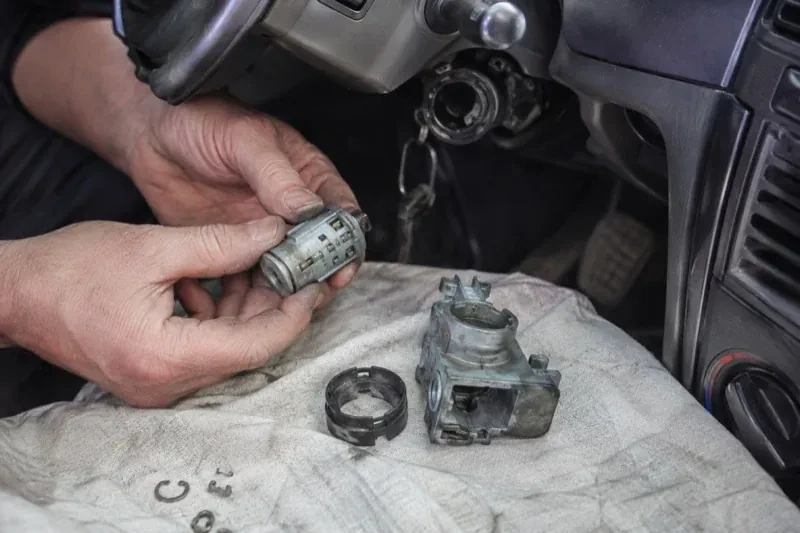
The key slides in fine and turns without any resistance at all, and the dash lights flicker, but nothing catches.
WhyWhere the hardware allows it, a replacement or serviced ignition cylinder is pinned to match the key already in your pocket, rather than handing you a second key to keep track of.
How a visit goes
Describe the property, the hardware and what has changed, and the visit starts from what you have seen.
1
2
3
01
A look inside the keyway
We check how deep the fragment sits and whether the cylinder was already worn or dry. That tells us how to draw the piece out without pushing it further.
02
Drawing the piece out
With extraction tools and patience the broken blade comes out whole. We clean and lubricate the cylinder so the next key goes in smoothly.
03
Cutting a fresh key
A key that snapped was usually tired. We cut a new one from the two halves or from the lock itself, test it and suggest retiring any other worn copies.
I rent. Who arranges the repair, and can I change the lock myself?
Tell your landlord or property manager as soon as the police have been called; provincial tenancy law makes the landlord responsible for repairs to the unit, and most will arrange the locksmith. A tenant may not change locks without the landlord's agreement, and a landlord who changes them must give the tenant keys, so the visit is coordinated between you. If you arrange securing yourself in an emergency, keep the receipt and the record of what was done for both sides.
How long does a whole-house rekey take?
Plan on an hour or two for a typical house with three or four cylinders, including the walk-through, identification, pinning, cutting and testing. Each additional cylinder adds a little, as does swapping a cylinder to bring a mismatched door onto the same key, resetting a homeowner-rekeyable lock or clearing a garage opener. The locksmith gives a realistic window on the phone once the list of doors is known.
Will a new lock fit the holes already in my door?
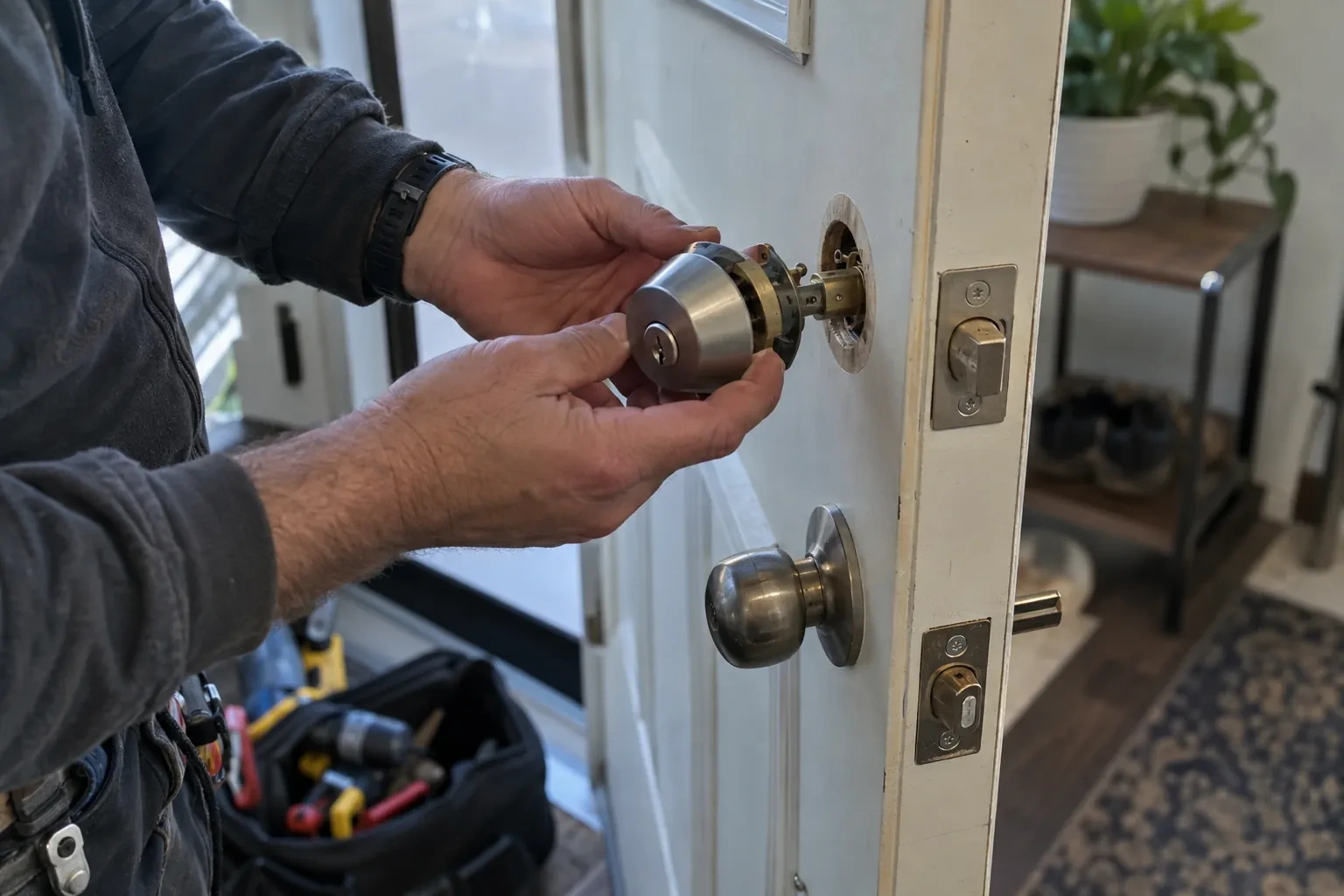
Usually, yes. Most residential doors are prepared to standard sizes, a 54 millimetre cross bore and a backset of 60 or 70 millimetres, and most modern hardware adjusts between those backsets. The locksmith measures before choosing, so the new lock is matched to the door rather than the other way around. Where an older mortise lock or an unusual bore is found, filler plates, extension kits or a carefully jigged new bore bring the door to standard.
Can the work be done with the lock left in the door?
Rarely, and it is not the better route. Almost everything that fails is inside the case, and the case only opens once it is out of the pocket, which takes a few minutes and leaves no mark. Working through the keyhole with an unapproved or over-applied spray tends to wash out what little lubricant should stay and gums the levers later. Removing the case, cleaning it properly and refitting it is the repair that lasts.
Do I need a hub or a bridge?
Only if the model you choose uses one to reach the internet. Some locks have Wi-Fi built into the interior unit and connect straight to your router. Others save battery by using Bluetooth at the door and a small plug-in bridge nearby to relay to the network. Locks designed for a home hub join whatever hub you already run. The locksmith checks signal strength at the door itself and recommends the arrangement that keeps the lock reliably connected.
Does this service cover the gate itself, or only the lock?
Both, where the two are connected, which on a gate they usually are. A locksmith working on a gate lock also looks at the hinges, the post and the closer, since a lock rarely fails on its own when the real cause is a sagging gate or a post that has shifted. Work that goes beyond hardware the locksmith carries, such as rebuilding a rotted post or a damaged fence panel, is flagged so it can be handled by whoever normally does that kind of repair.
How do I know what brand or type of lock is on my mailbox?
You generally do not need to; identifying the hardware is part of the visit. The locksmith reads the maker's mark on the lock face, measures the cylinder and cam, and checks the hole pattern in the compartment door, which together point to a matching replacement even when the original brand is no longer sold.
How long does designing and installing a master key system take?
It depends on the number of doors and levels involved. A small business with a handful of doors and one or two levels moves through assessment, pinning and testing in less time on site than a multi-floor property with several departments and a top-level master, where more doors, more testing and more keys to cut all add to the work involved.
Can a key that snapped off inside the ignition be removed without damaging anything?
In most cases, yes. Hooked and spiral extraction tools reach in and draw the broken piece out along the path it entered, rather than pushing it further in. Once it is clear, the cylinder is checked for the wear that likely caused the break in the first place, and a fresh key is cut to replace both broken pieces before the vehicle is handed back to you.
Request a visit
Rekeying is our favourite answer in Leckie Park because it keeps good hardware in service. The lock stays, the pins change, the old keys stop working and the new ones are cut on the spot. It suits a move, a lost key or a staff change, costs less than replacement, and leaves the door looking exactly as it did.