Locksmith in Bartonville, OntarioVintage hardware,cared for properly
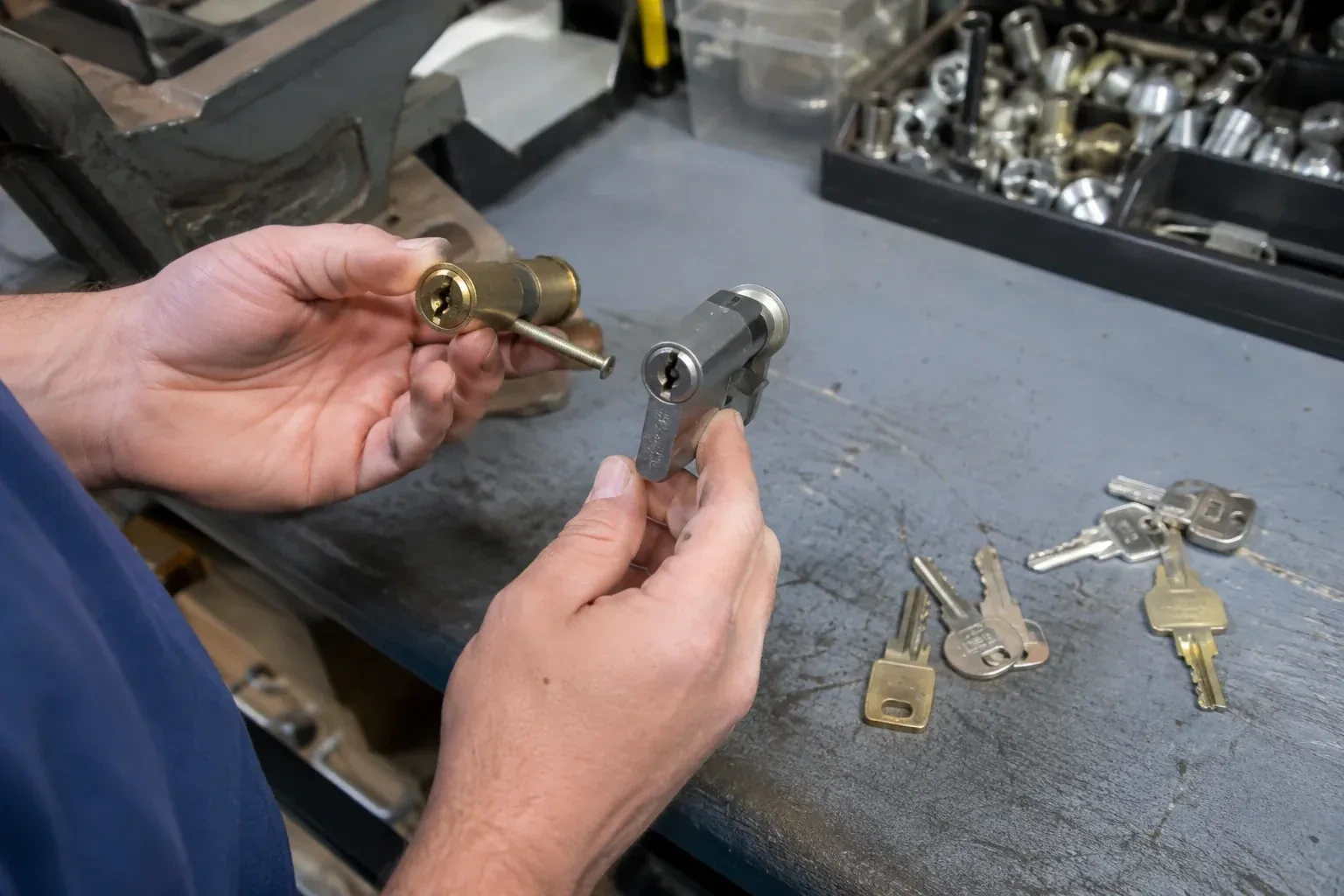
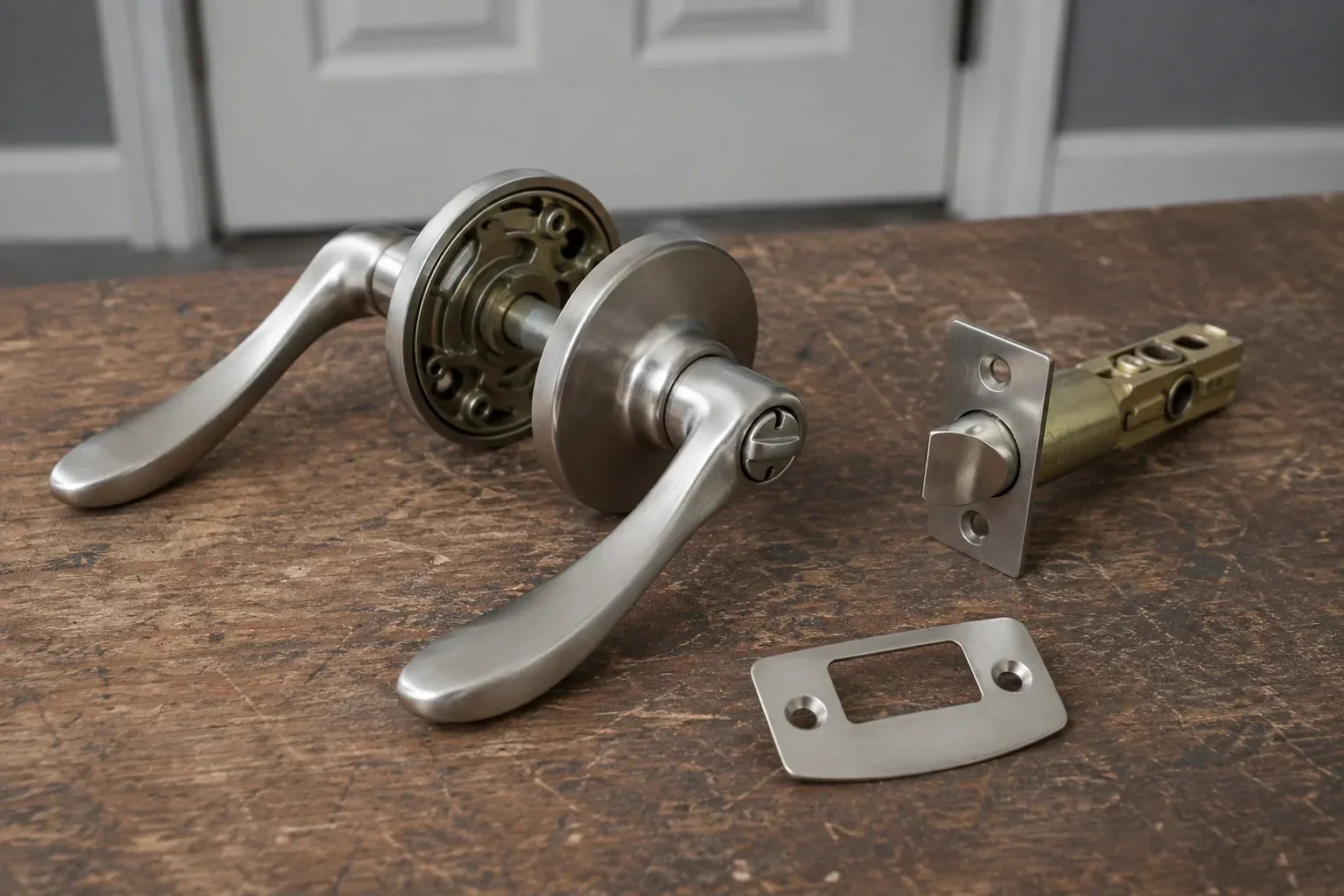
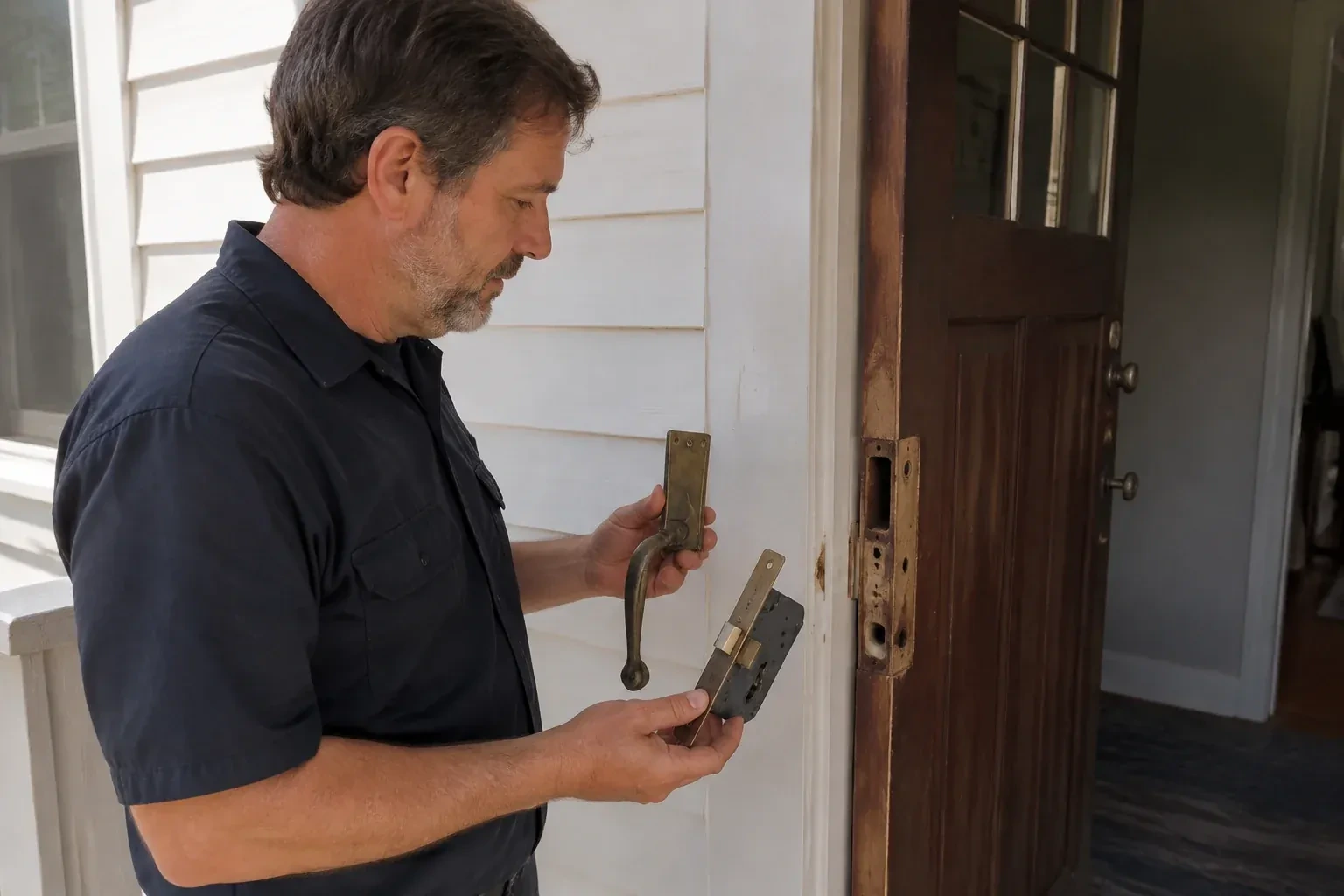
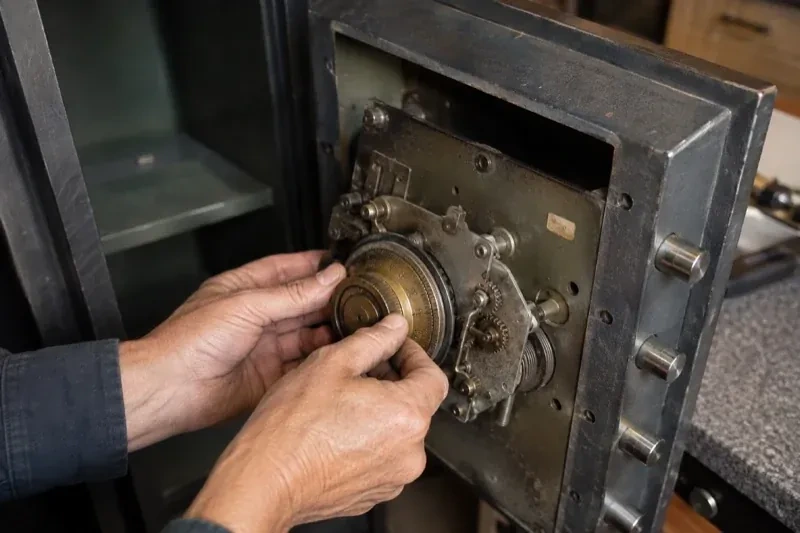
Glass knobs, ornate escutcheons and mortise cases that have turned for generations deserve a locksmith who knows them. In Bartonville we clean, rebuild and re-spring old mechanisms, cut keys for locks that no longer have one, and match period-appropriate parts so the door keeps its face.
Glass knobs, ornate escutcheons and mortise cases that have turned for generations deserve a locksmith who knows them. In Bartonville we clean, rebuild and re-spring old mechanisms, cut keys for locks that no longer have one, and match period-appropriate parts so the door keeps its face.
Getting you back inside, gently.
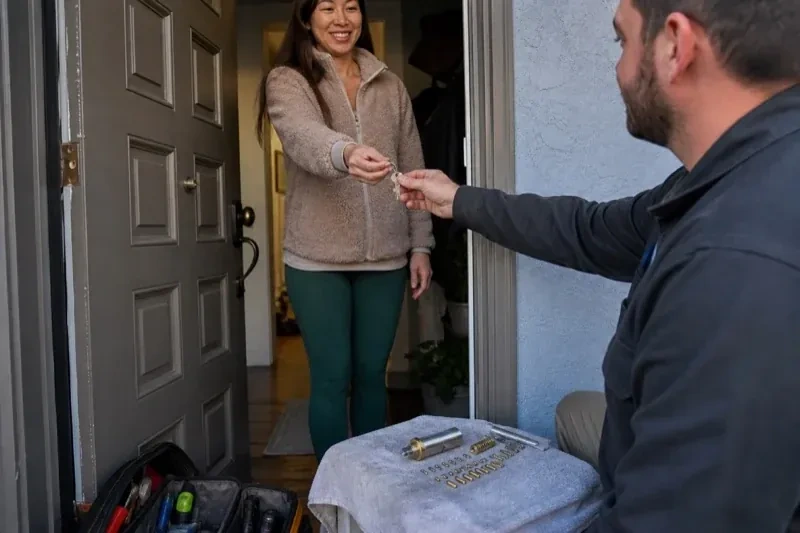
The fee for a visit in Bartonville is the same at any hour, and it is settled at the door after the locksmith has assessed the hardware. That order matters. Assess first, then price, then work, so you always know what is being done and what it costs before a tool comes out. There are no surprises added afterwards.
Business owners in Bartonville sometimes discover that nobody knows how many keys are out there. We help you start again: rekey the important doors, issue labelled keys, keep a record and consider a master system so managers carry one key while staff carry another. It is a sensible reset, done around your hours.
33years in business
24/7open every day
You set the pace. We explain, you decide, we work. If you would rather sleep on a bigger change, we do what is needed now and leave the rest for another visit.
The reasoning behind each suggestion. Every recommendation comes with the reason for it, in language that does not require you to know the trade. Ask why as often as you like.
Order restored. Tools packed, dust cleared, doors closed properly. We leave your home or business looking as it did, with the lock problem gone.
From the front door of a house to the back door of a warehouse, the work in Bartonville comes down to a few families of jobs: getting in, changing who can get in, making it harder for the wrong people to get in, and keeping the hardware turning smoothly year after year. Browse the list to find yours.
About 61% of homes in Hamilton were built in 1980 or earlier, according to the 2021 Census.
Older homes
Older homes tend to have had many hands on their doors: owners, tenants, tradespeople, family. A locksmith visiting such a house pays attention to who holds keys now, and rekeying or a keyed-alike set often matters more than any new hardware.
Single-detached houses make up about 56% of homes in Hamilton (2021 Census).
In an area with both houses and attached homes, the work varies by the door. A detached house wants all its exterior doors on one key; a suite door wants a cylinder that suits a metal frame and respects building rules. A locksmith carries parts for both.
It is ten to nine, three staff are on the sidewalk with their coffees, and the key that has opened the glass front door for six years will not turn. The cylinder feels gritty, the door is locked, and the first customer is already parking.
A roommate tried to help with tweezers, then by gluing the other half to it. The fragment is now further in than it started, there is dried glue around the keyway, and the front door still does not open.
A roommate moved out on bad terms and says the key was left on the counter. It was not. You have already changed the Wi-Fi password, but the front door still opens for a key that could be anywhere.
The brass handleset has gone blotchy and green where the winter salt reaches it, and the coating on the deadbolt is lifting in flakes. It still locks, but it looks tired beside the fresh paint on the door.
Someone painted the door years ago without removing the hardware. The faceplate, the strike and the little thumb-turn are all under several coats, the deadbolt scrapes when it moves, and the knob is stiff enough to leave marks on your hand.
A break-in overnight took the cash float and a staff member's bag with her work keys inside it. The glass is being replaced this morning, but the key that opened the door yesterday will still open it tonight unless the cylinders are changed.
A self-storage operator wants the office, the tenant gate and the equipment shed on three different levels of access for staff, but every lock on the property currently answers to the same handful of interchangeable keys handed out over the years.
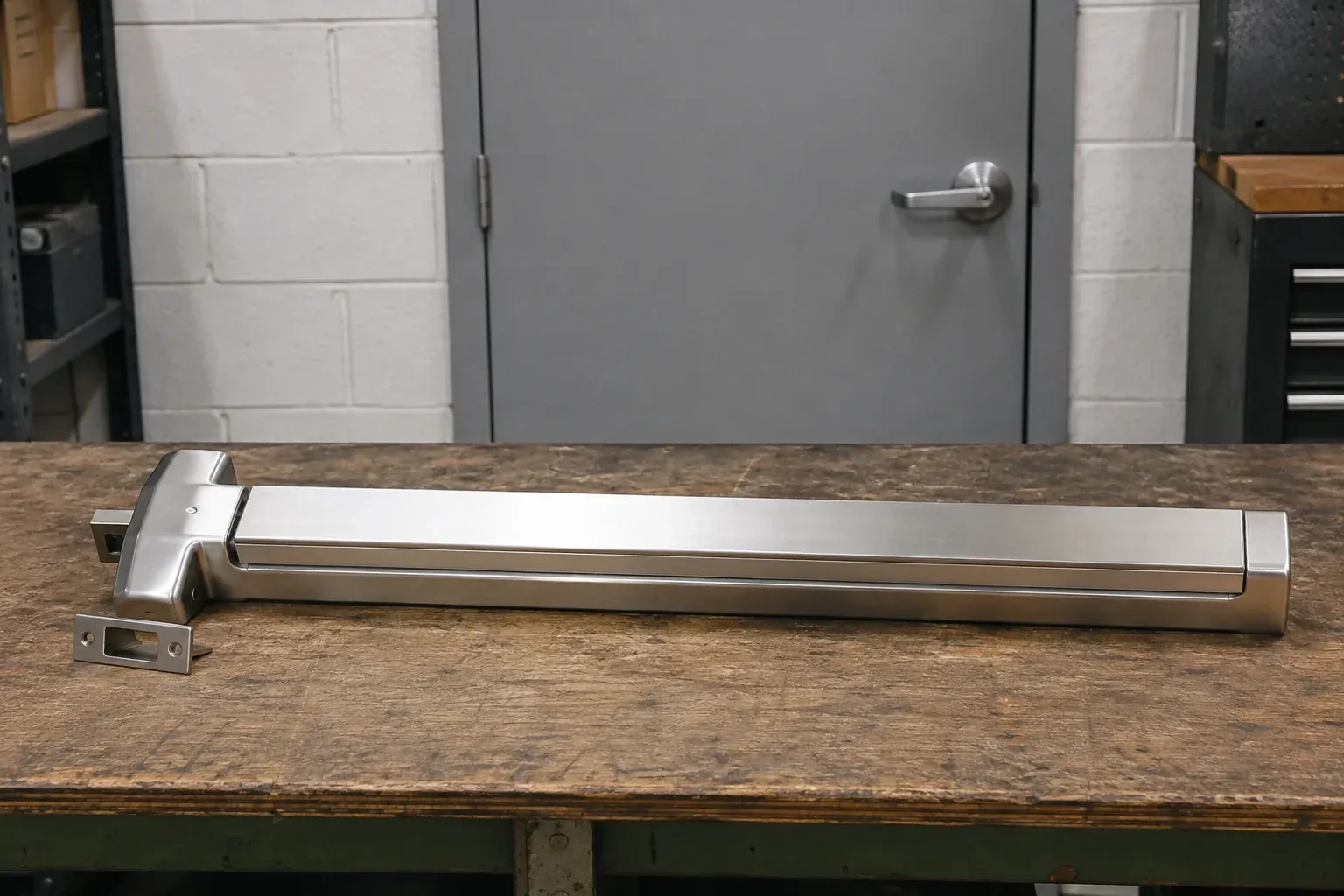
The crossbar on the loading-dock door barely returns anymore. Someone has to lean into it with a shoulder, and twice this month it has stuck half-latched, propped by whatever was nearest.
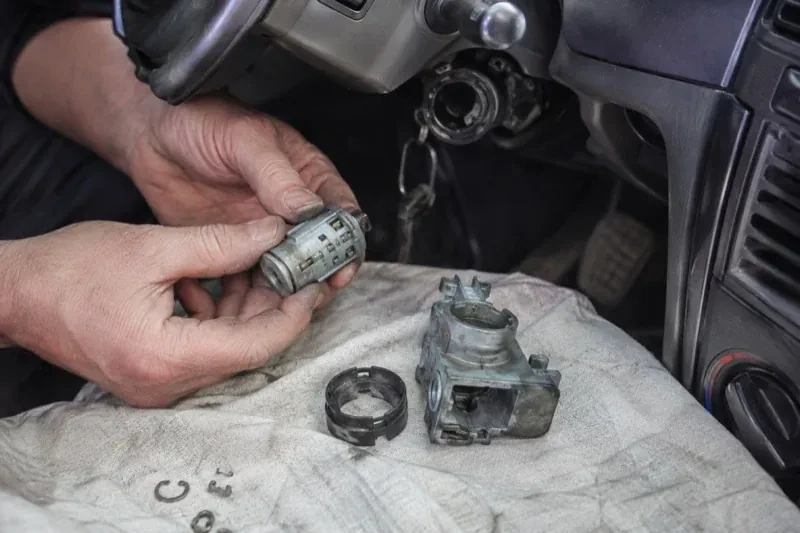
Turning the key used to take one smooth motion. Lately it grinds partway through, sometimes needing a second attempt, and yesterday it stopped reaching start altogether. The key itself looks the same as always; something inside the ignition has changed instead.
Business owners usually want two things from us: to know exactly who can open which door, and to stop worrying about it. The services here, from rekeying to full access control, are different ways of getting to that point.
The pharmacy's drop safe has a keypad that finally lost power for good, and the little override key that was supposed to live behind the counter cannot be found anywhere.
The keypad on the office safe blinks a low-battery warning every morning now, and whoever notices it first quietly hopes someone else deals with it before the batteries finally give out mid-week.
Which fix fits?
It is ten to nine, three staff are on the sidewalk with their coffees, and the key that has opened the glass front door for six years will not turn.
WhyA commercial rekey is planned around the trading day.
A self-storage operator wants the office, the tenant gate and the equipment shed on three different levels of access for staff, but every lock on the property currently answers to the same handful of interchangeable keys handed out over the years.
WhyWhether the key won't insert, won't turn, turns without engaging anything, or is stuck and refuses to come back out, each version of the symptom points toward a different part of the mechanism.
How a visit goes
Describe the property, the hardware and what has changed, and the visit starts from what you have seen.
1
2
3
01
A look inside the keyway
We check how deep the fragment sits and whether the cylinder was already worn or dry. That tells us how to draw the piece out without pushing it further.
02
Drawing the piece out
With extraction tools and patience the broken blade comes out whole. We clean and lubricate the cylinder so the next key goes in smoothly.
03
Cutting a fresh key
A key that snapped was usually tired. We cut a new one from the two halves or from the lock itself, test it and suggest retiring any other worn copies.
How many keys should a business have, and who should hold them?
Fewer than most businesses think, and every one of them named. Two people who can open, one of whom can be reached on a day off, cover the door. Cleaners and contractors get a key only if they need one and hand it back when the arrangement ends. Write down who has what, collect keys when people leave, and rekey when one does not come back. Interior keys for the cash office or stockroom follow the same rule on a shorter list.
What should I do while I wait for the locksmith?
Put both halves of the key somewhere safe, note whether the door or vehicle is locked, and leave the keyway alone. If it is bitter cold, keep the storm door closed so the lock is not taking freezing rain. Have identification ready, or vehicle papers for a car. If the door is open, stay near it. That is all; the extraction goes smoother for a lock nobody has poked at.
How long does a whole-house rekey take?
Plan on an hour or two for a typical house with three or four cylinders, including the walk-through, identification, pinning, cutting and testing. Each additional cylinder adds a little, as does swapping a cylinder to bring a mismatched door onto the same key, resetting a homeowner-rekeyable lock or clearing a garage opener. The locksmith gives a realistic window on the phone once the list of doors is known.
Will a new lock fit the holes already in my door?
Usually, yes. Most residential doors are prepared to standard sizes, a 54 millimetre cross bore and a backset of 60 or 70 millimetres, and most modern hardware adjusts between those backsets. The locksmith measures before choosing, so the new lock is matched to the door rather than the other way around. Where an older mortise lock or an unusual bore is found, filler plates, extension kits or a carefully jigged new bore bring the door to standard.
Can the work be done with the lock left in the door?
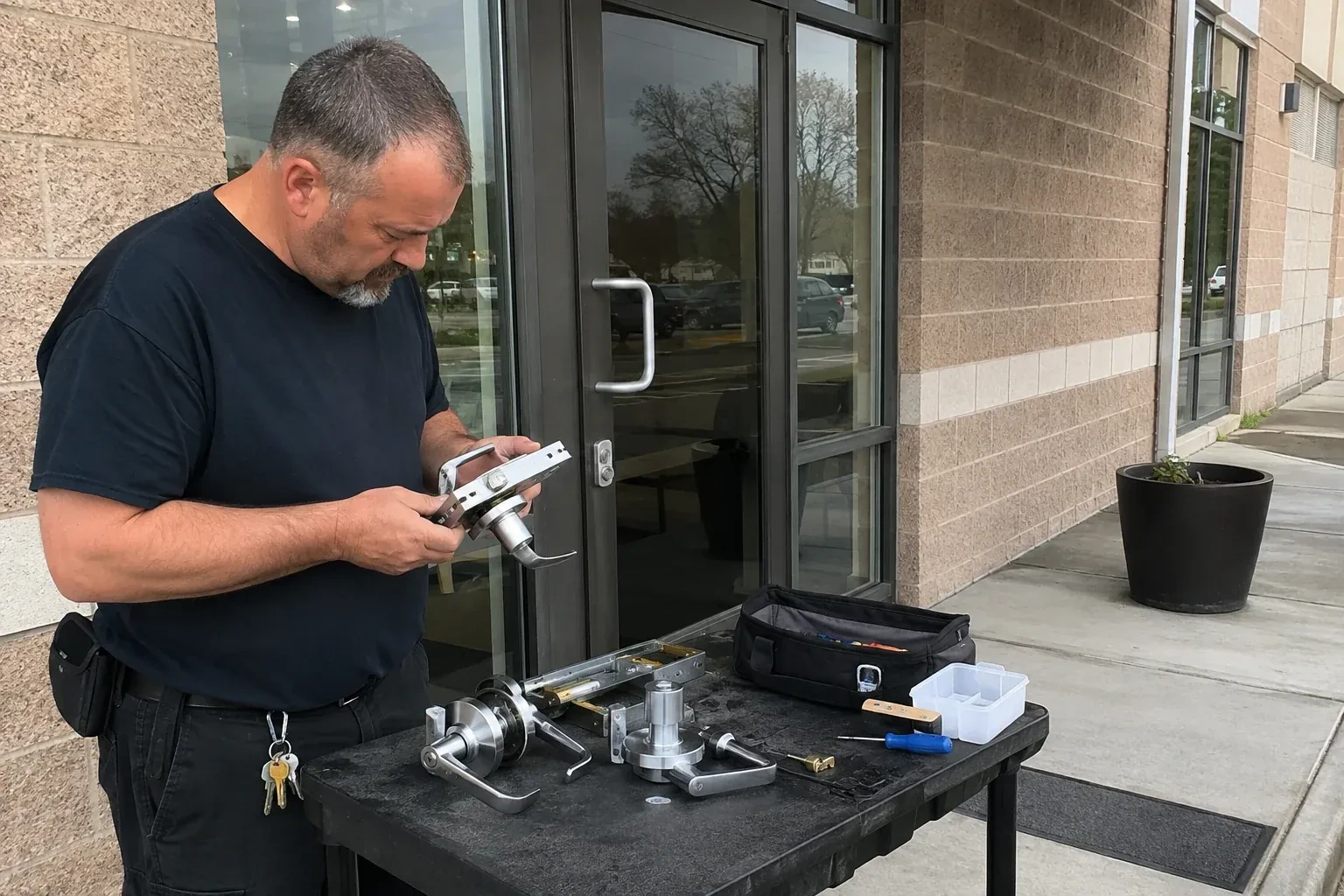
Rarely, and it is not the better route. Almost everything that fails is inside the case, and the case only opens once it is out of the pocket, which takes a few minutes and leaves no mark. Working through the keyhole with an unapproved or over-applied spray tends to wash out what little lubricant should stay and gums the levers later. Removing the case, cleaning it properly and refitting it is the repair that lasts.
What do you do with the old keys?
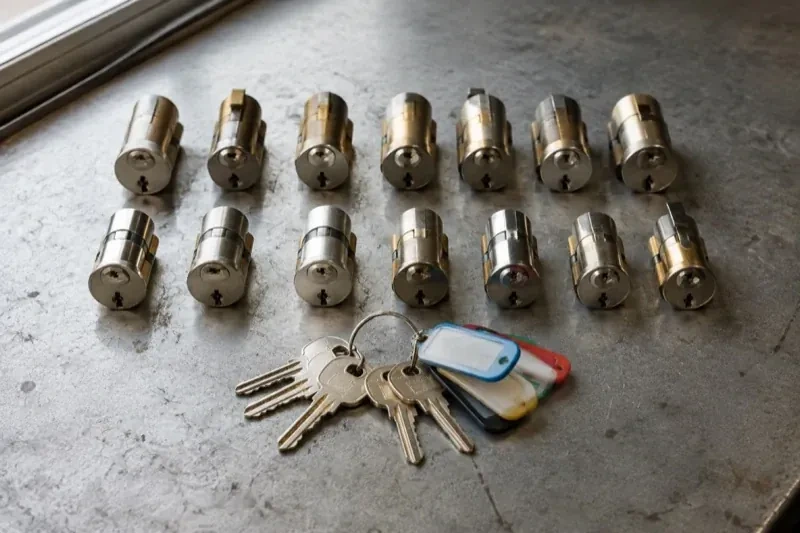
They are gathered, tested at each rekeyed door to confirm they no longer work, and then cut through so they can never be used or copied. You can keep the pieces or the locksmith takes them away. Any old key that still operates a door you chose to leave unchanged is handed back and noted on the chart, so it is clear which keys remain live and which are scrap.
How long does designing and installing a master key system take?
It depends on the number of doors and levels involved. A small business with a handful of doors and one or two levels moves through assessment, pinning and testing in less time on site than a multi-floor property with several departments and a top-level master, where more doors, more testing and more keys to cut all add to the work involved.
How high should the crossbar or touchpad be mounted?
Exit-device makers publish a mounting range for their own models, and in practice a crossbar or touchpad sits no higher than about 1200 mm above the finished floor. The locksmith sets the hardware inside the maker's range and below that ceiling, allowing for anyone in the space who needs a lower reach, a wheelchair user or a shorter staff member among them.
Can a key that snapped off inside the ignition be removed without damaging anything?
In most cases, yes. Hooked and spiral extraction tools reach in and draw the broken piece out along the path it entered, rather than pushing it further in. Once it is clear, the cylinder is checked for the wear that likely caused the break in the first place, and a fresh key is cut to replace both broken pieces before the vehicle is handed back to you.
Request a visit
The fee for a visit in Bartonville is the same at any hour, and it is settled at the door after the locksmith has assessed the hardware. That order matters. Assess first, then price, then work, so you always know what is being done and what it costs before a tool comes out. There are no surprises added afterwards.