Lockouts · Hamilton
Home Lockout Service
The key slides in and turns all the way round, but the bolt stays put.
In plain words
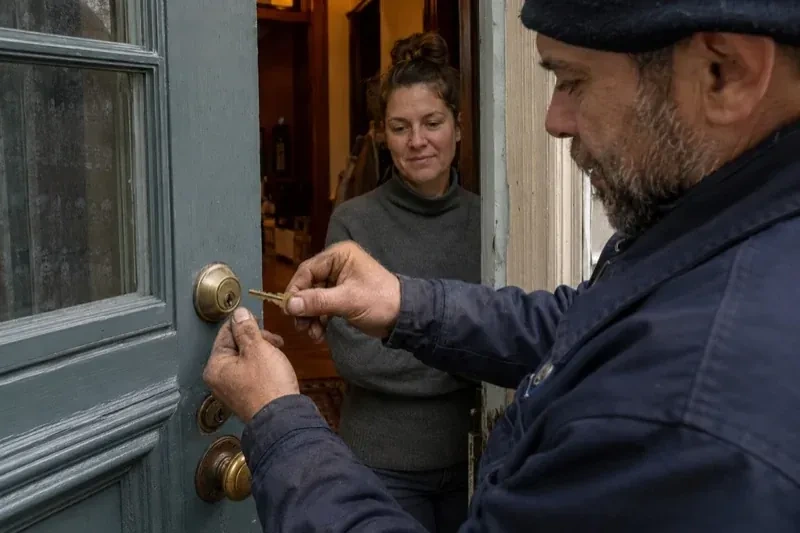
Where your key is decides most of what happens after the door opens. If it is sitting on the counter inside, the job is simply to open the door and hand the house back to you with the lock untouched. If the key has been lost somewhere in town, opening the door solves tonight but leaves a working key in circulation, so the sensible follow-up is to rekey the cylinder to a new key while the locksmith is already there. Either way the service begins with confirming you belong at that address and ends with a door that locks and unlocks normally.
How the visit goesYou reached the front step with the groceries, patted every pocket twice, and the house key is simply not there. It was on the ring this morning. Now the door is locked, the lights are off, and nothing you have on you opens it.
Home Lockout Service
How the visit goes
Anything already damaged, and anyone inside
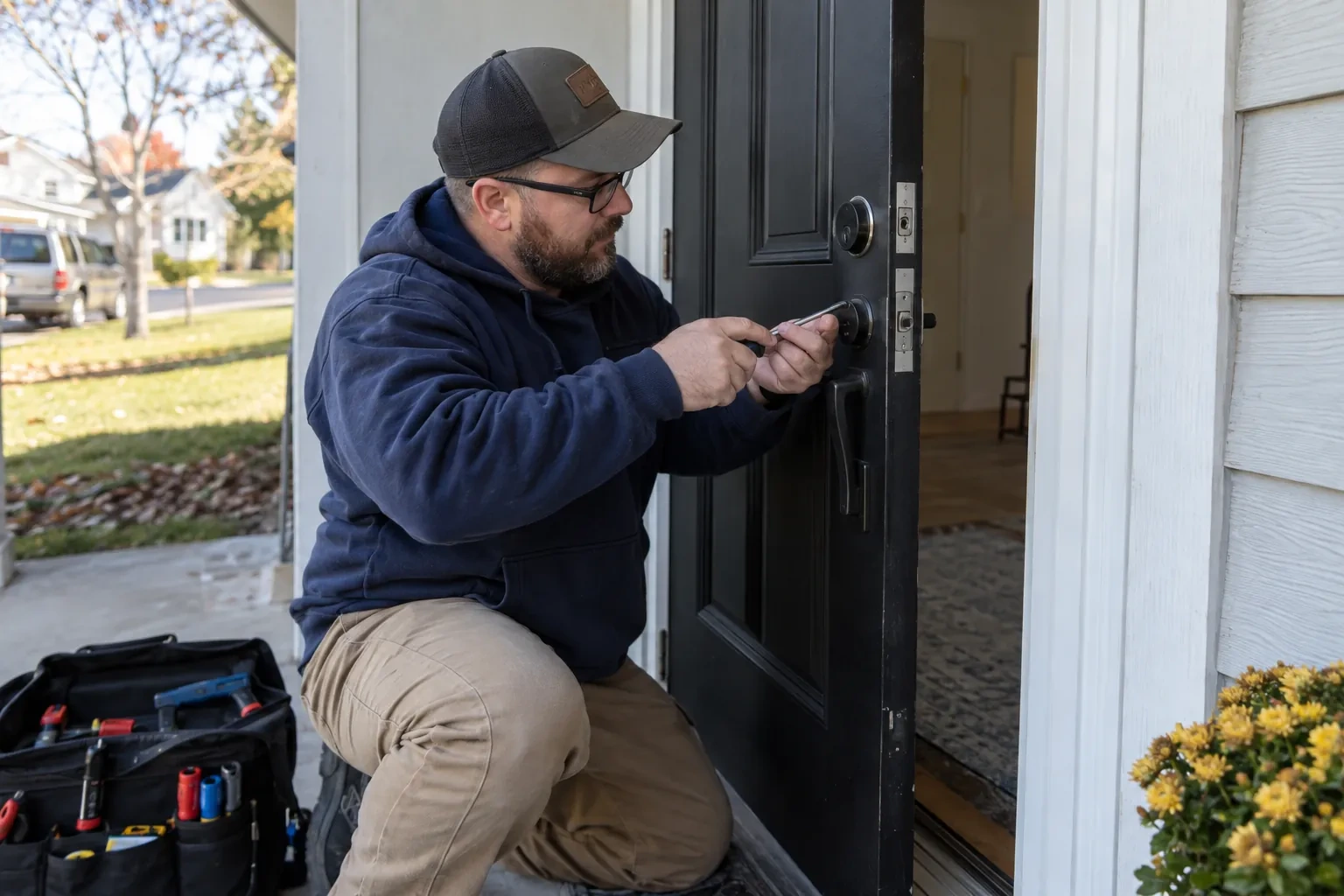
Two practical questions round out the first look. First, has anything been tried already? A bent latch from a credit card, a scratched cylinder from a screwdriver, or a previous locksmith's drill mark all change the approach, and the locksmith notes them so you know what was there before work began. Second, is anyone or anything inside that changes the pace: a child napping, a pet, a stove left on, a running tap? That answer sets how the opening is sequenced and whether the most careful method or the most direct one comes first. Both questions take moments and make the rest of the visit calmer.
When drilling is the right answer
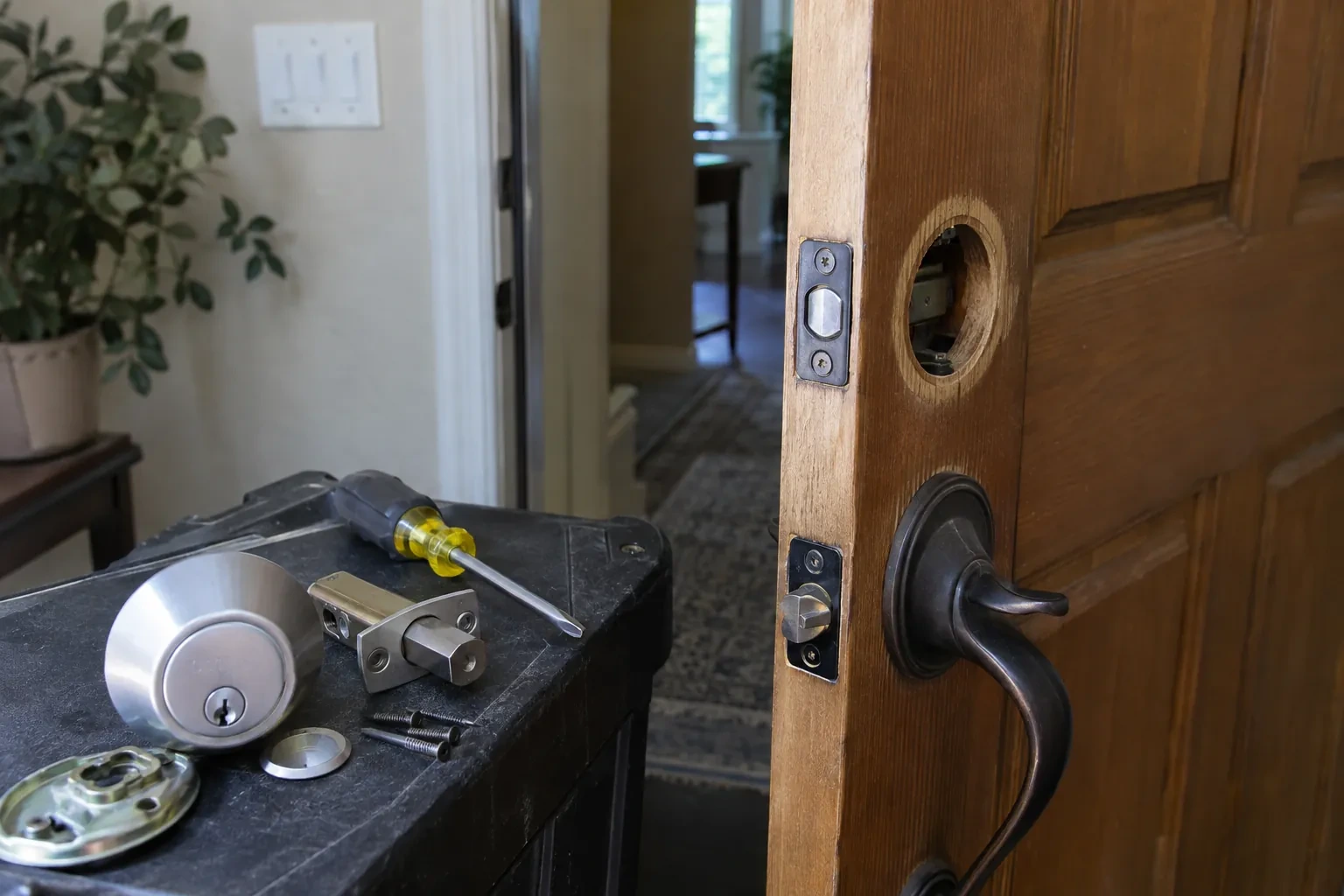
Occasionally a cylinder is seized, badly worn, packed with a broken key or built to resist picking to a degree that makes it impractical. In that case the locksmith explains, before starting, that the cylinder will be sacrificed and replaced. The drilling is aimed precisely at the shear line so the plug can turn, which keeps the damage to the cylinder alone and leaves the door, the trim and the bolt untouched. A new cylinder or complete deadbolt is fitted in the same visit, new keys are cut and tested, and the old hardware is handed to you or taken away as you prefer. You leave with a working, lockable door, not a temporary patch.
A door and frame that line up again
When the lockout traced back to a door that had sagged or swollen, you get more than an open door: the reason is dealt with. Hinge screws that had worked loose are tightened or replaced with longer ones that bite into the framing, the strike plate is adjusted or its pocket deepened so the bolt has room to throw fully, and any weatherstrip that was pushing the door out of square is trimmed. Afterwards the bolt should slide with a fingertip on the thumb-turn and no shoulder on the door. Check it again at the turn of each season, since wood keeps moving with the humidity, and a two-minute screw check saves a return visit.
Home Lockout Service
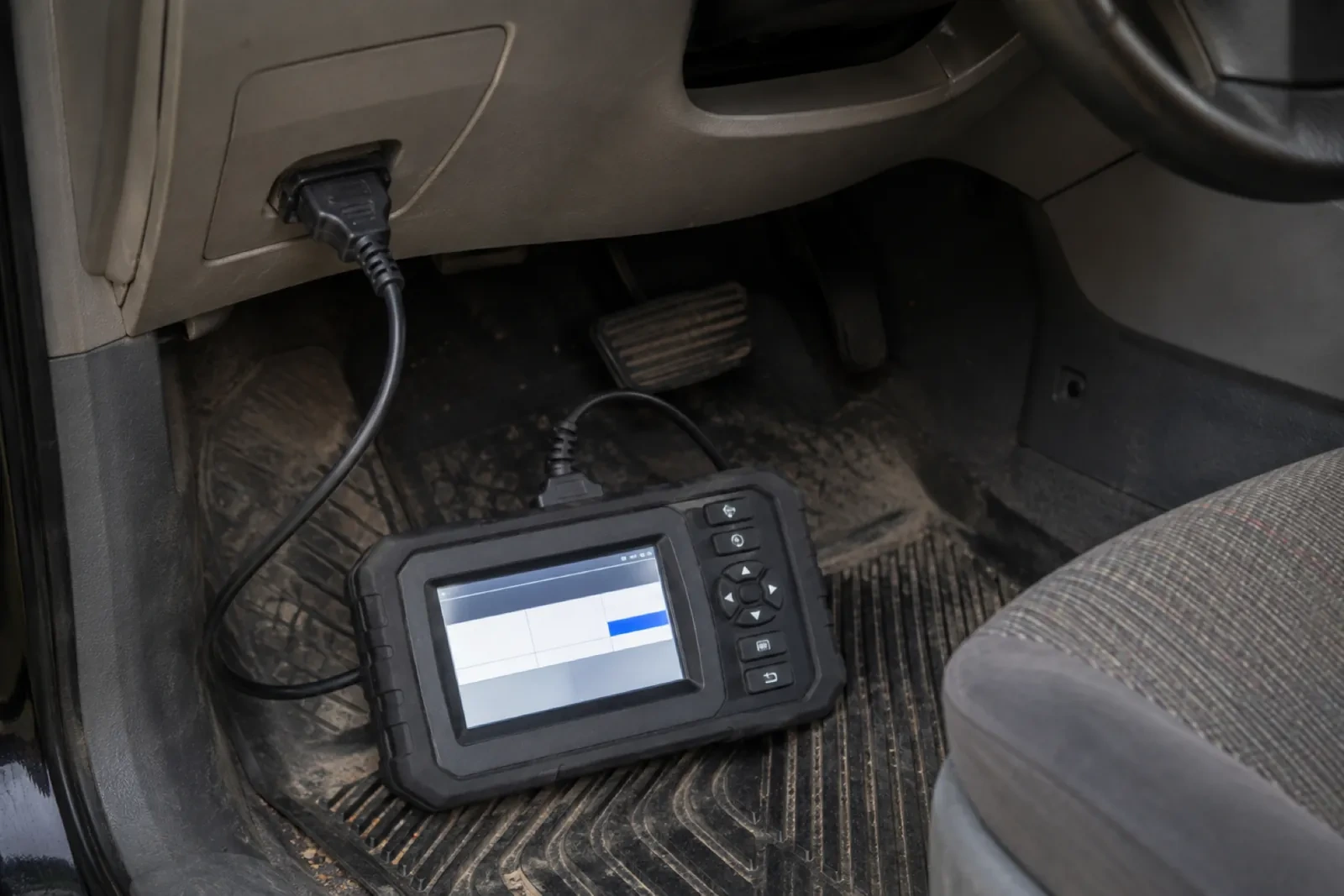
In the van
Strike plate and long hinge screws
Key blanks and key cutter
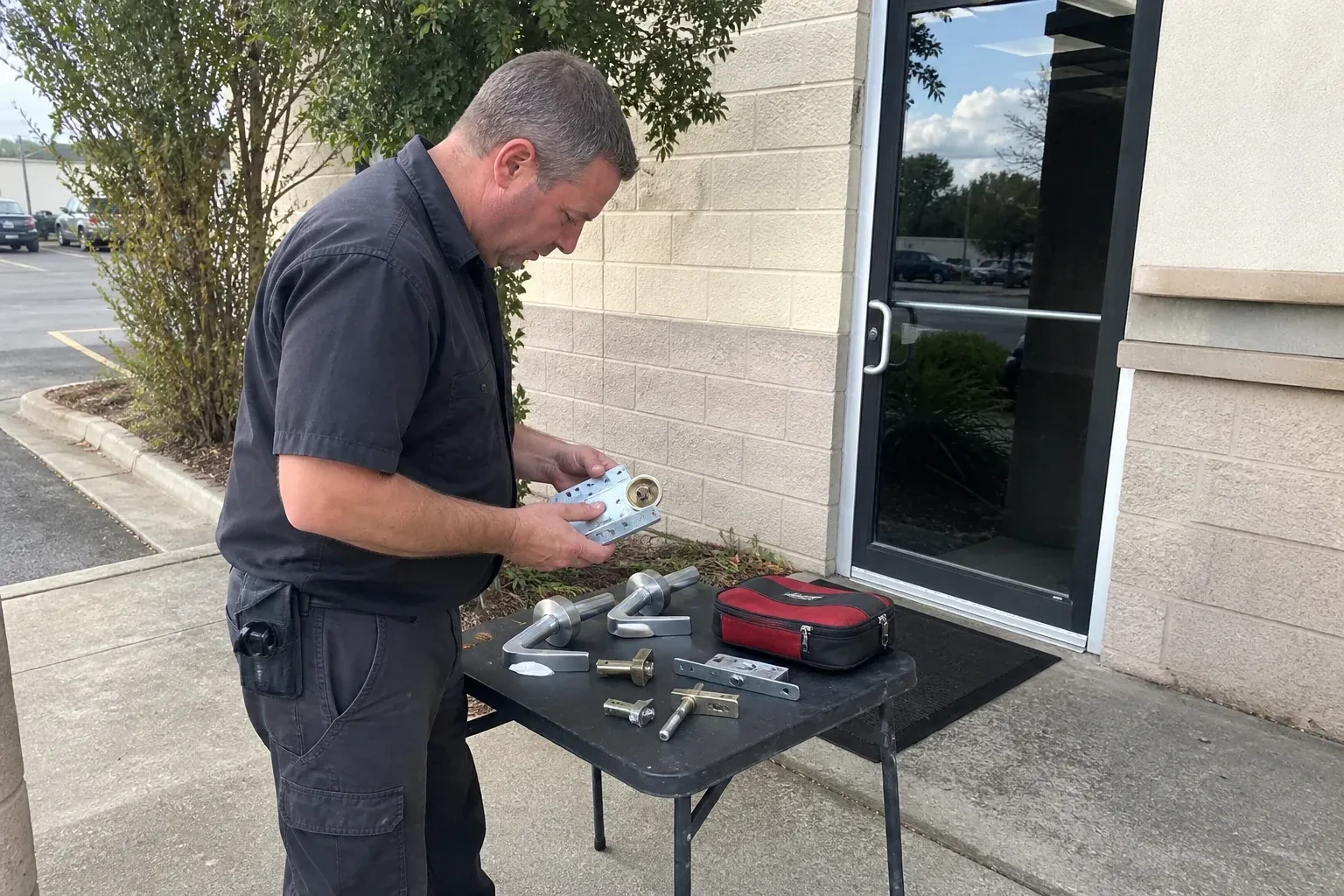
Latch and bypass tools
Nine-volt battery for smart locks
Plug follower and repinning kit
Home Lockout Service
What affects the quote
Keying other doors to match
Bringing the back door, side door and garage onto the new key after a rekey is extra work per cylinder, and simplest to arrange during the same call-out.
Whether the key is inside or lost
If the key is inside, the visit ends when the door opens. If it was lost out in the world, rekeying and fresh keys usually follow, and that is separate work priced on its own.
Drilling and a replacement cylinder
If the cylinder has to be drilled, the quote gains the new cylinder or complete deadbolt and the labour to fit it. You are told this before the drill comes out, never after.
What to have ready
- Has the lock been stiff, sticky or hard to turn in recent weeks?
- Does the same key open other doors on the property?
- Is there a second door, a garage entry or a spare key nearby you could use?
Home Lockout Service: questions
QuestionsHow should I look after my lock so it stays reliable?
A little attention twice a year is enough. Follow your lock's own care instructions: many take a puff of dry graphite or PTFE lubricant worked in with the key, some a specified liquid product instead; general-purpose oils collect grit. Retire keys that have worn thin and cut fresh ones from a crisp original or the code. Snug up hinge and strike screws each spring and fall as the door moves with the humidity. A key that starts needing a wiggle is an early warning worth acting on.
Can you also open a storm door, garage side door or backyard gate?
Yes. The same skills apply to any residential lock: a storm door that self-latched on the porch, the man-door into the garage, a shed, a gate with a padlock or a keyed latch, and a mailbox or storage locker in a condo building. Tell the locksmith about every opening involved so the right tools are in the van. Several small locks opened in one visit is common, especially after a move when keys were never handed over.
I am a landlord. Can you open a unit my tenant is living in?
A locksmith will want to understand the situation first, because a tenant's right to their home is protected and a lockout of a tenant is something only a sheriff enforcing a Landlord and Tenant Board order may carry out. Legitimate reasons do come up: a tenant has asked you to let them in, a vacated unit needs securing, or an emergency requires access. Bring ownership records and be ready to explain the circumstances, and the locksmith will help you handle it properly.
Related services
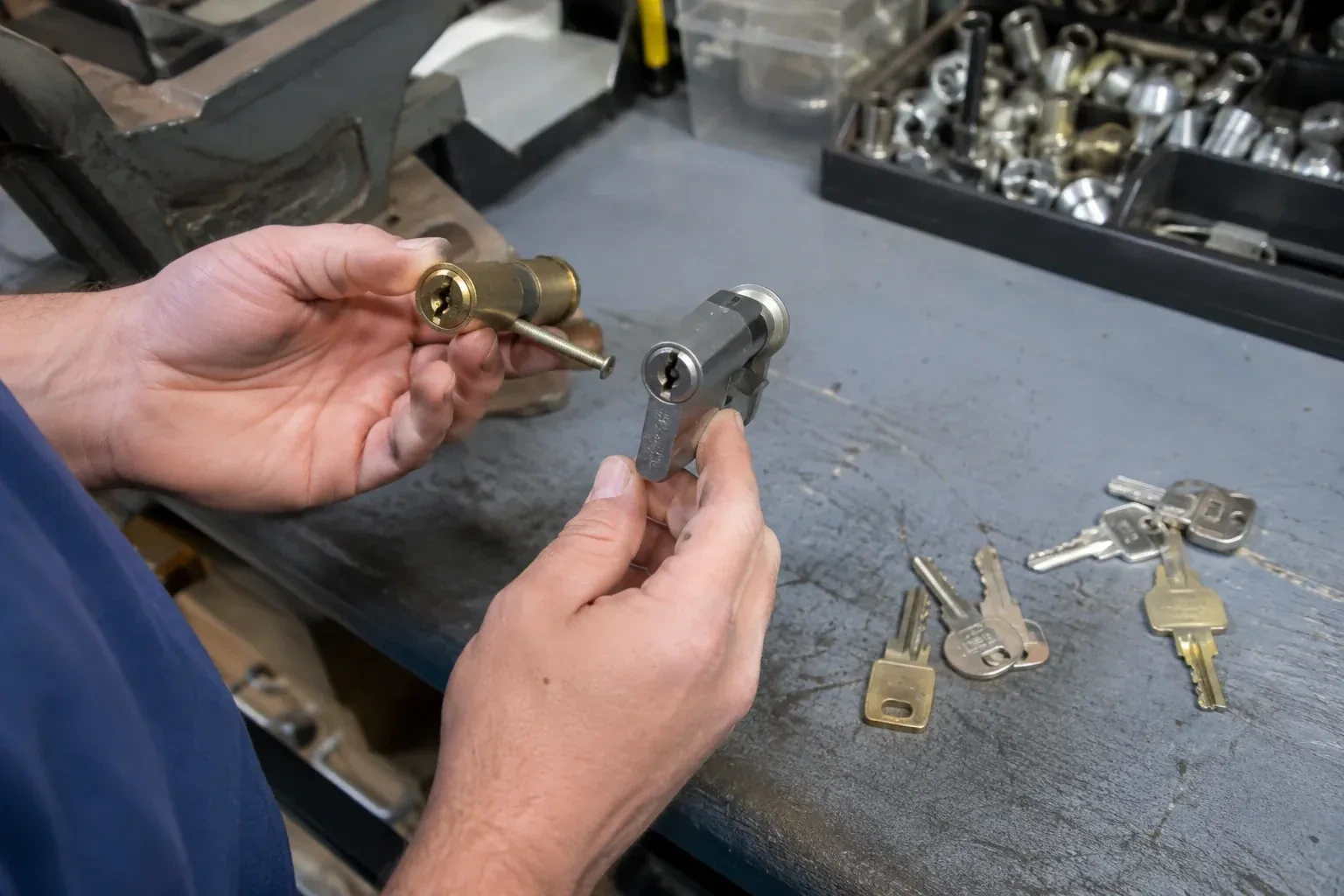
- Broken Key ExtractionYou were locking up on the way out when the key broke in the lock.
- Break-In Damage Lock RepairPolice have come and gone, the occurrence number is on a sticky note, and you are standing in a cold hallway looking at a splintered frame, wondering how the house gets locked before everyone tries to sleep.
- Seized & Jammed Lock OpeningThe key slides all the way in, exactly as it has for years, and then refuses to turn in either direction.