Locksmith in Normanhurst, OntarioYour shop's front dooris your first impression
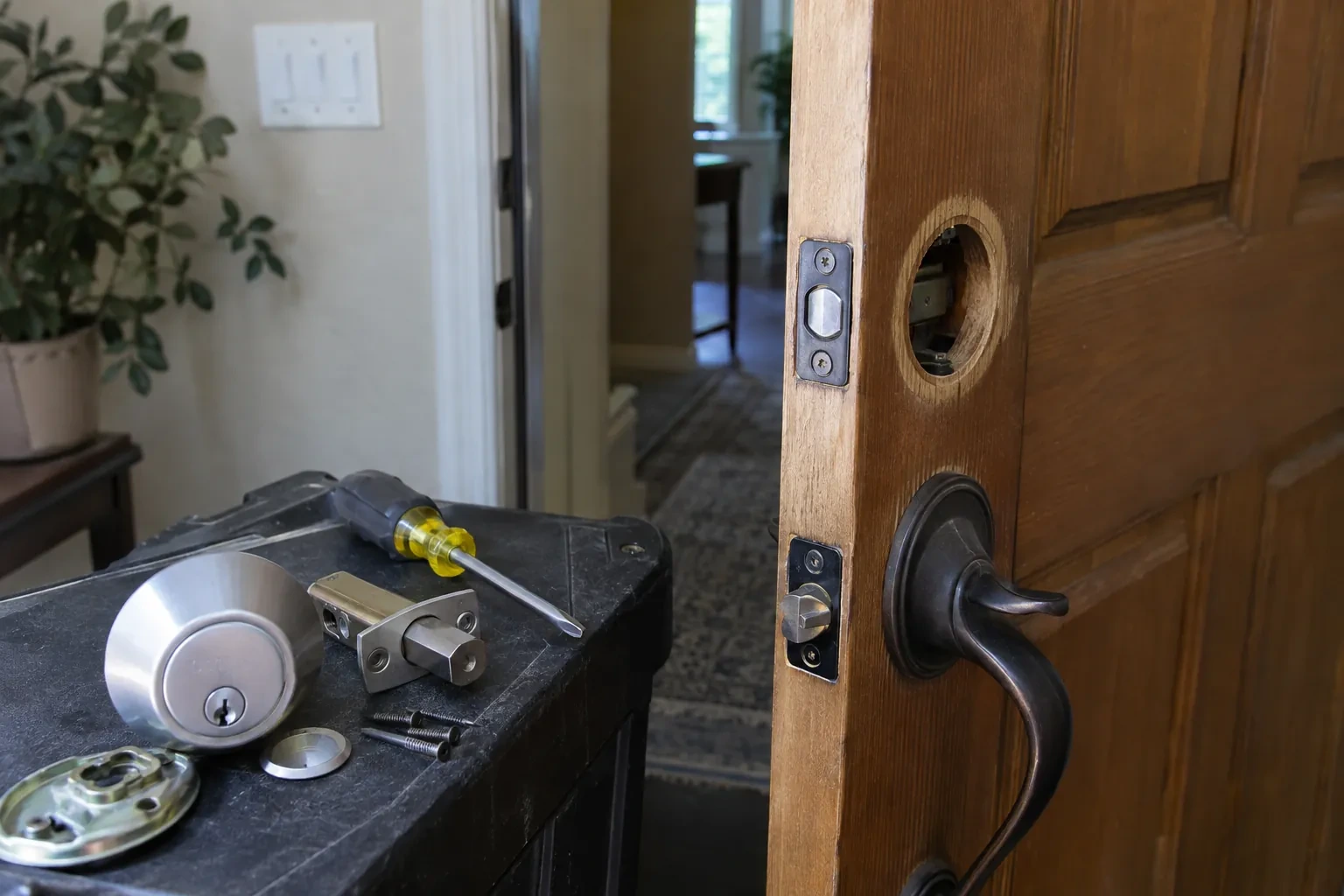
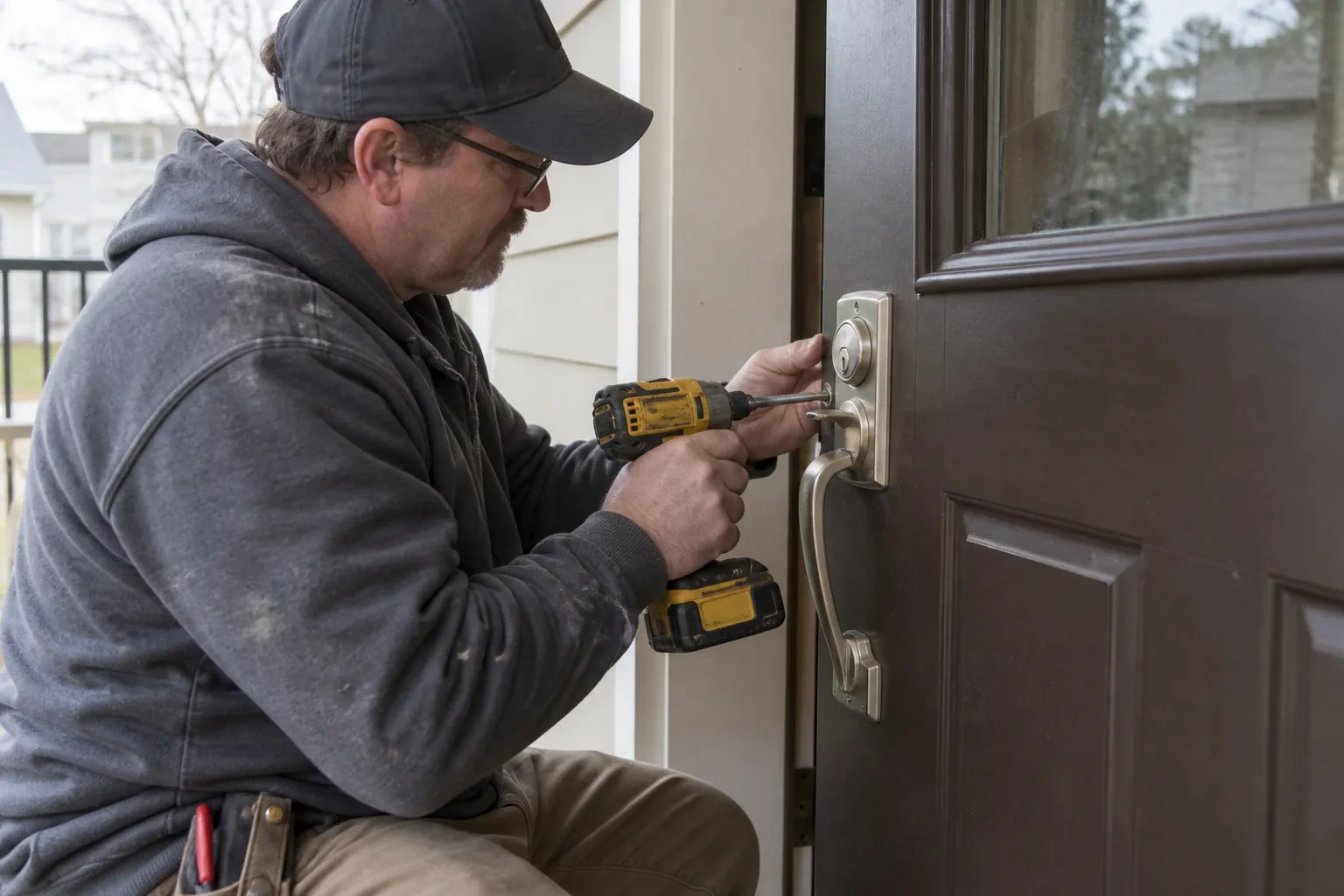
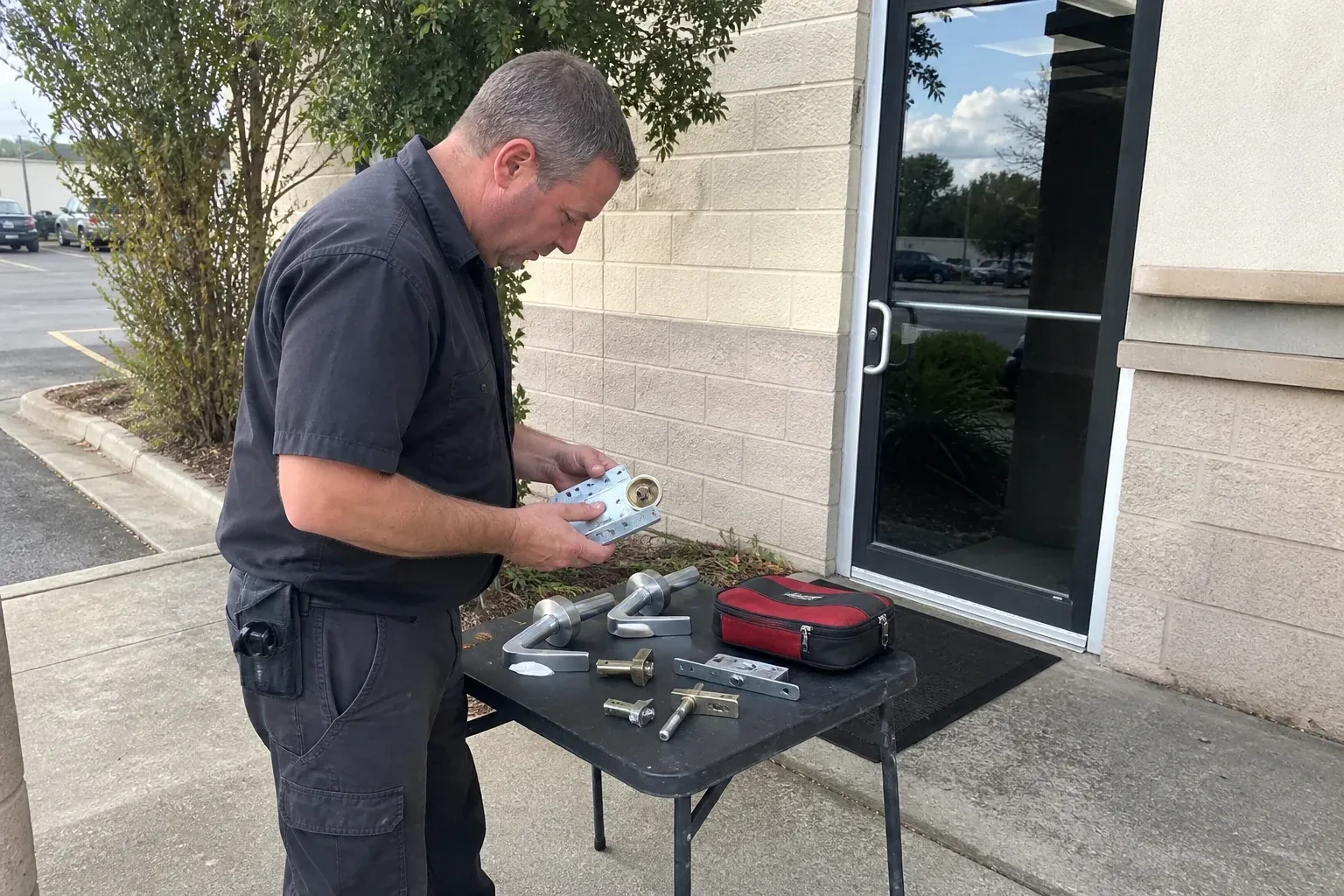
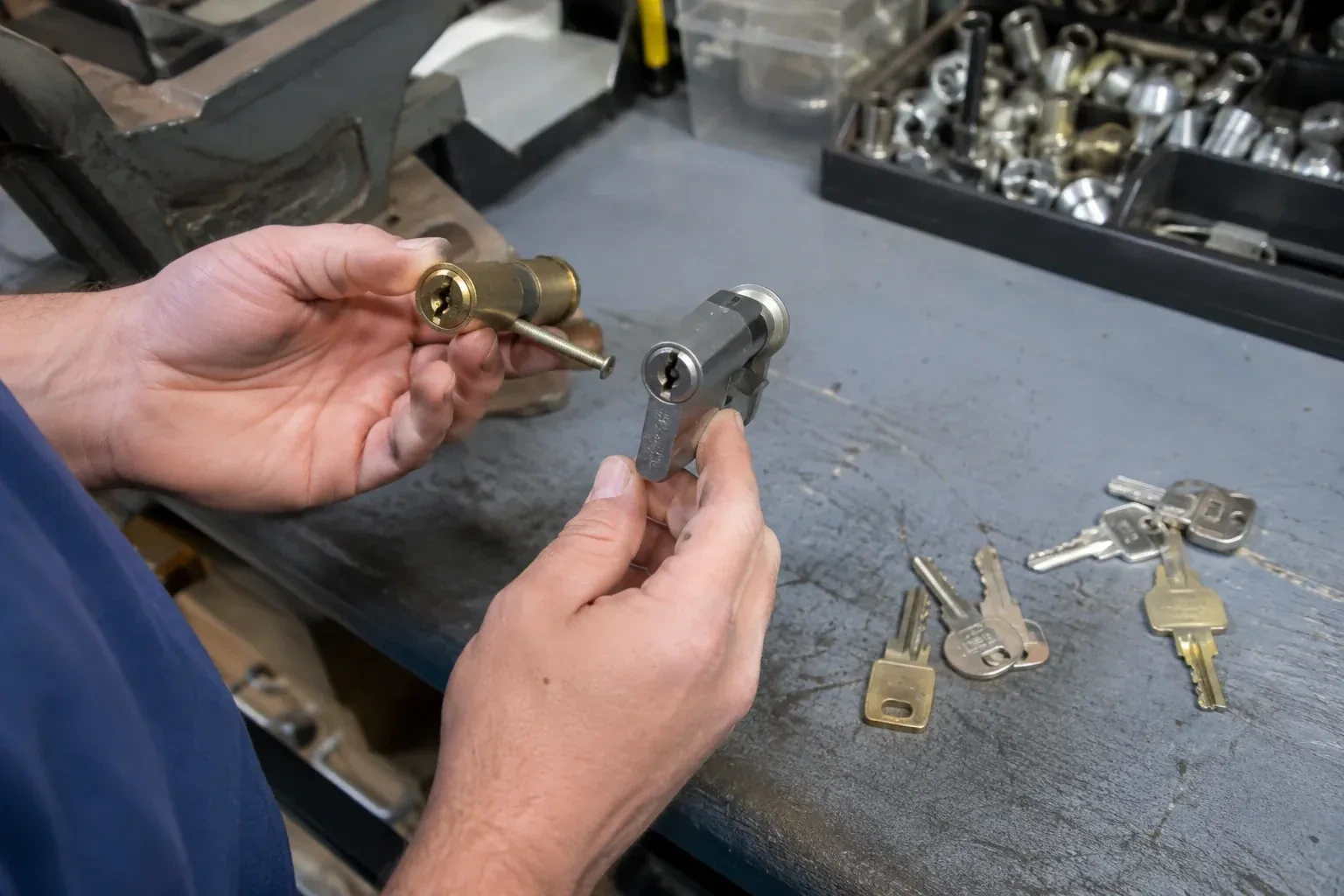
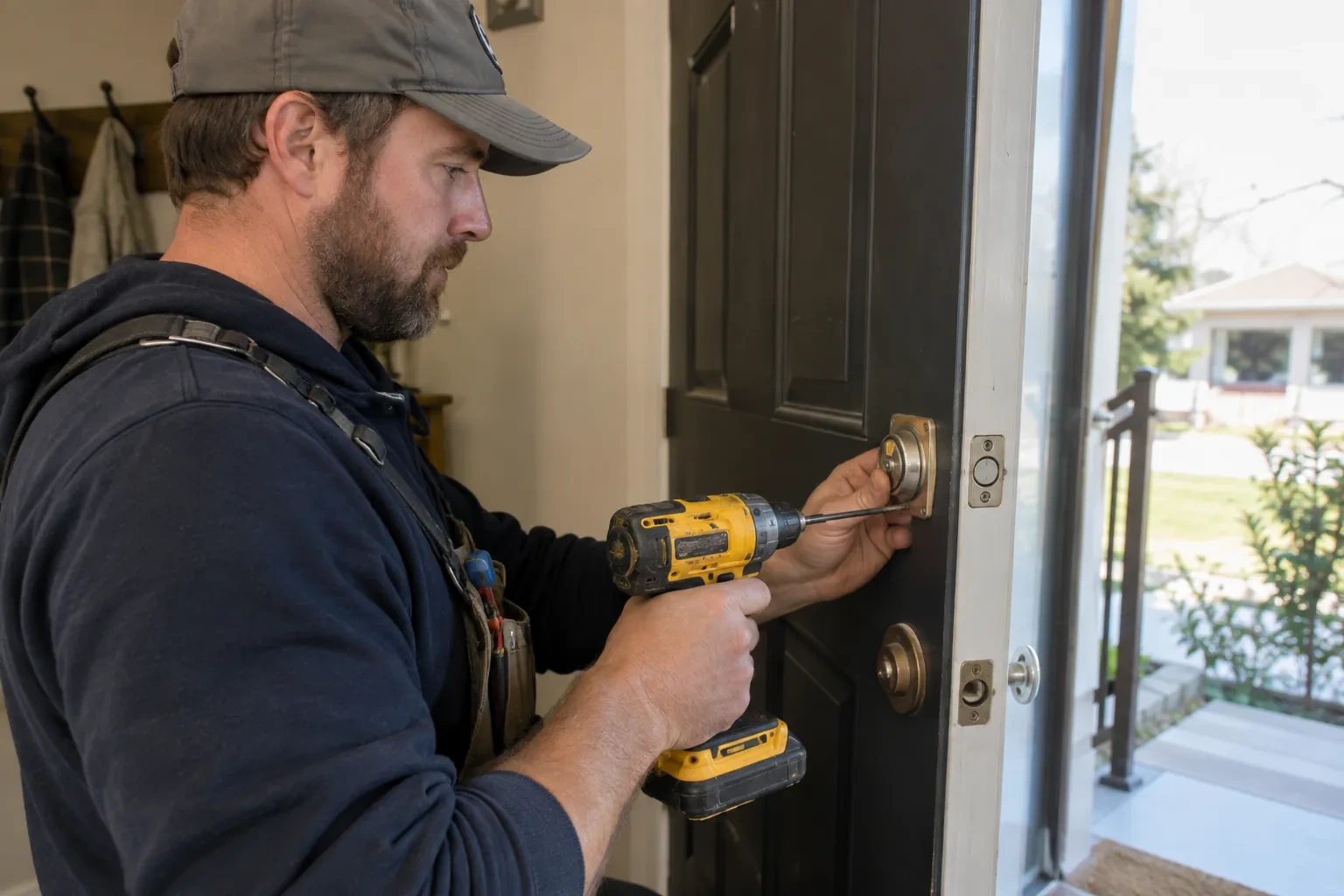
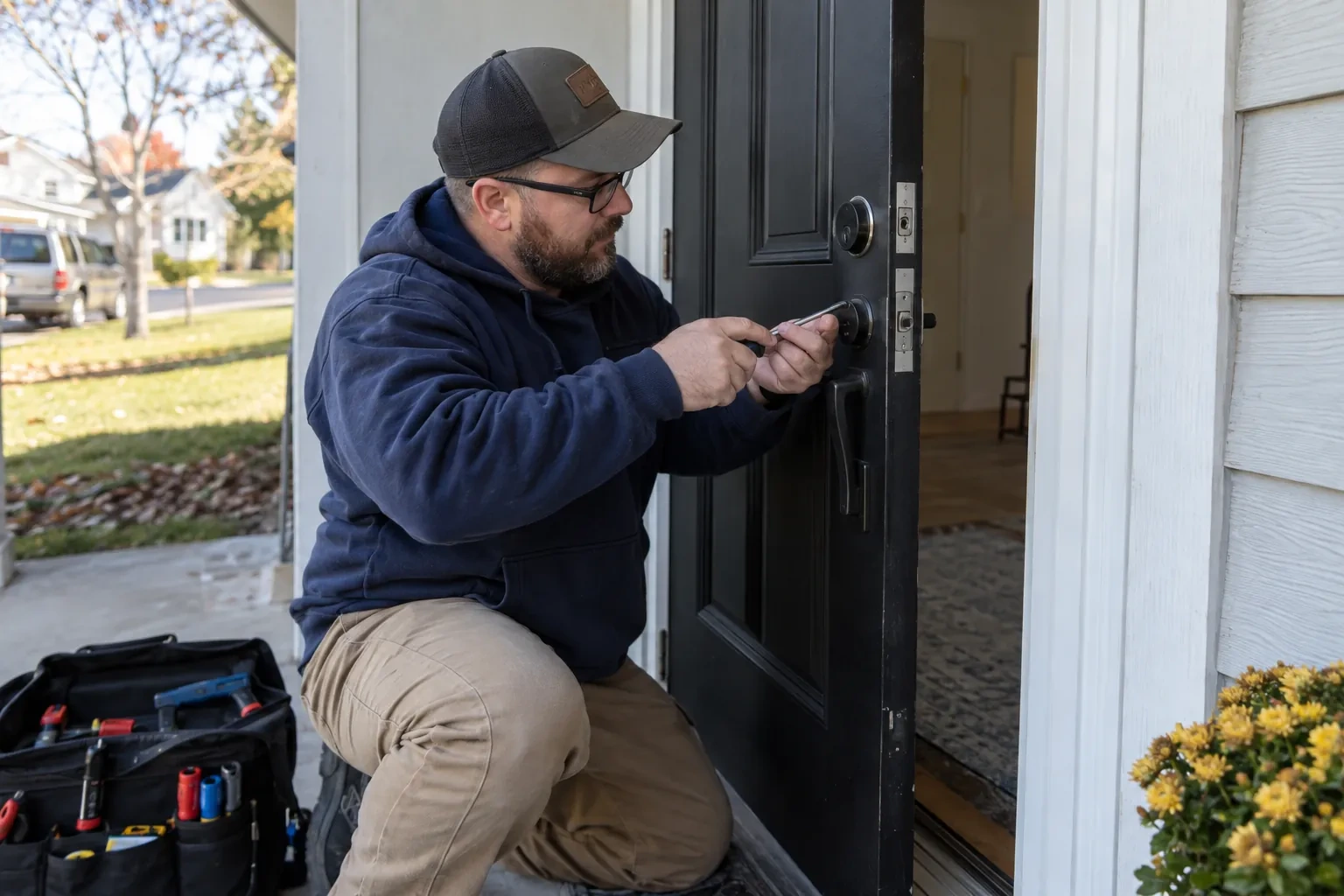
Customers in Normanhurst notice a storefront door that slams, drags or needs a shoulder. We service the closers, pivots and locks that keep a commercial entrance quiet and secure, fit cylinders that resist tampering, and set the hardware so the door greets people properly and locks tight after close.
Customers in Normanhurst notice a storefront door that slams, drags or needs a shoulder. We service the closers, pivots and locks that keep a commercial entrance quiet and secure, fit cylinders that resist tampering, and set the hardware so the door greets people properly and locks tight after close.
Getting you back inside, gently.
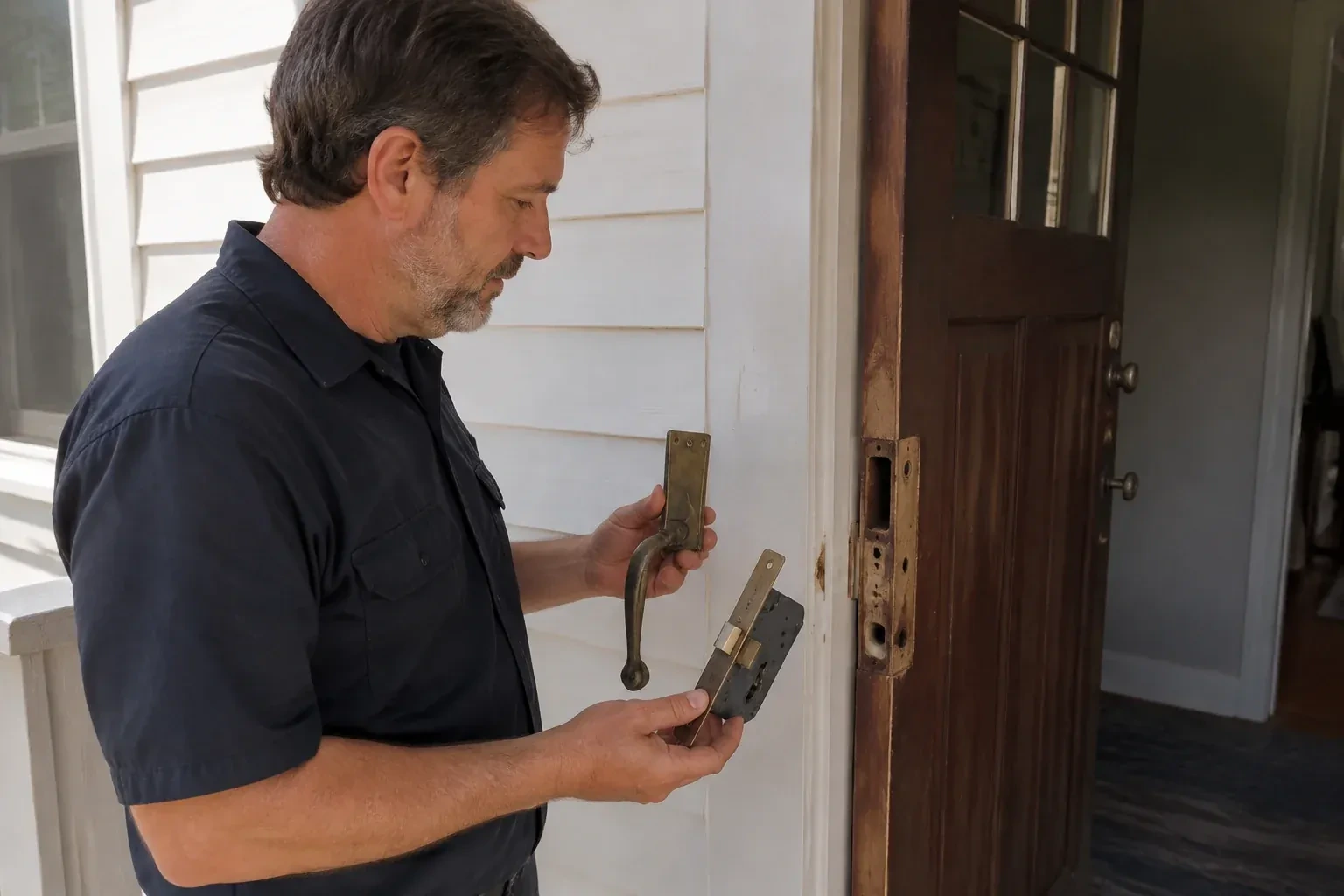
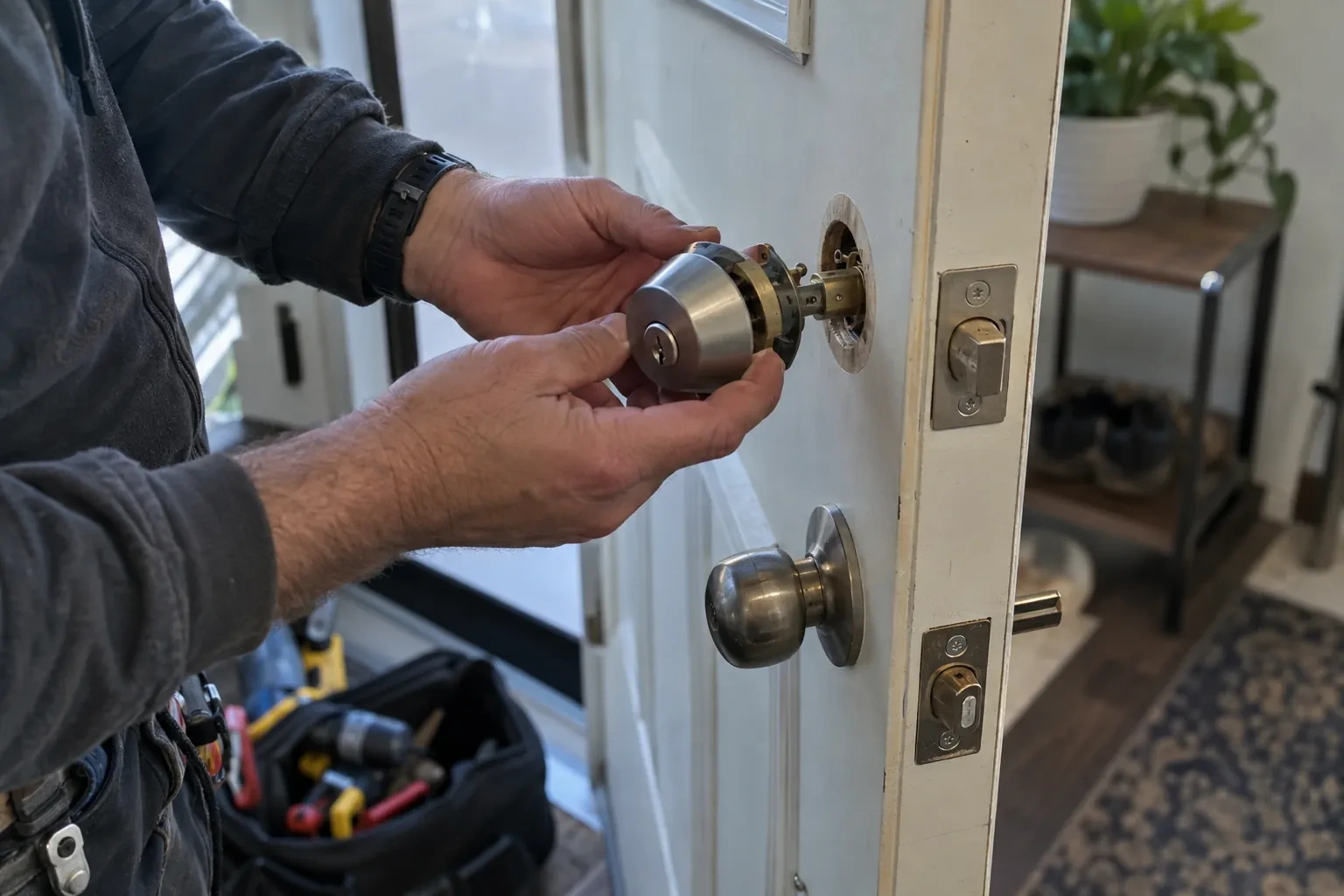
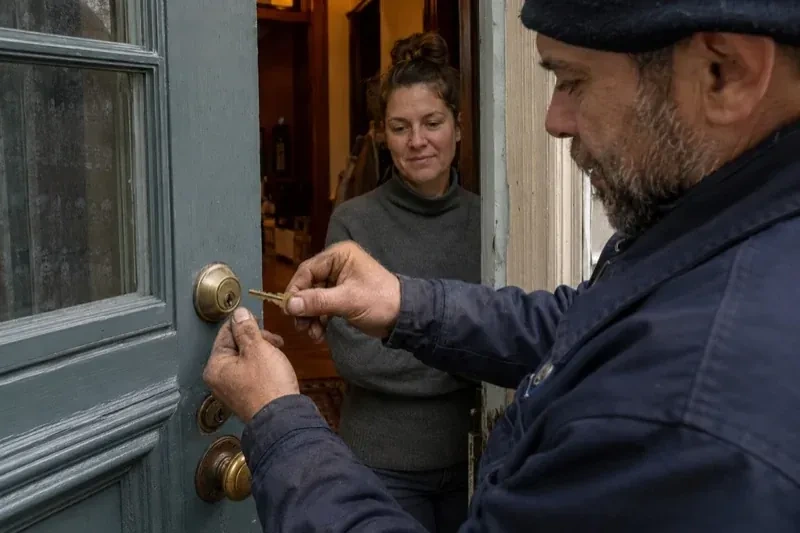
Older houses in Normanhurst get a locksmith who respects them. We work around original trim, keep period hardware where it can be kept, and match finishes when something new is needed so the door still looks like it belongs to the house. Modern security can sit behind a hundred-year-old face; that is a matter of choosing parts carefully.
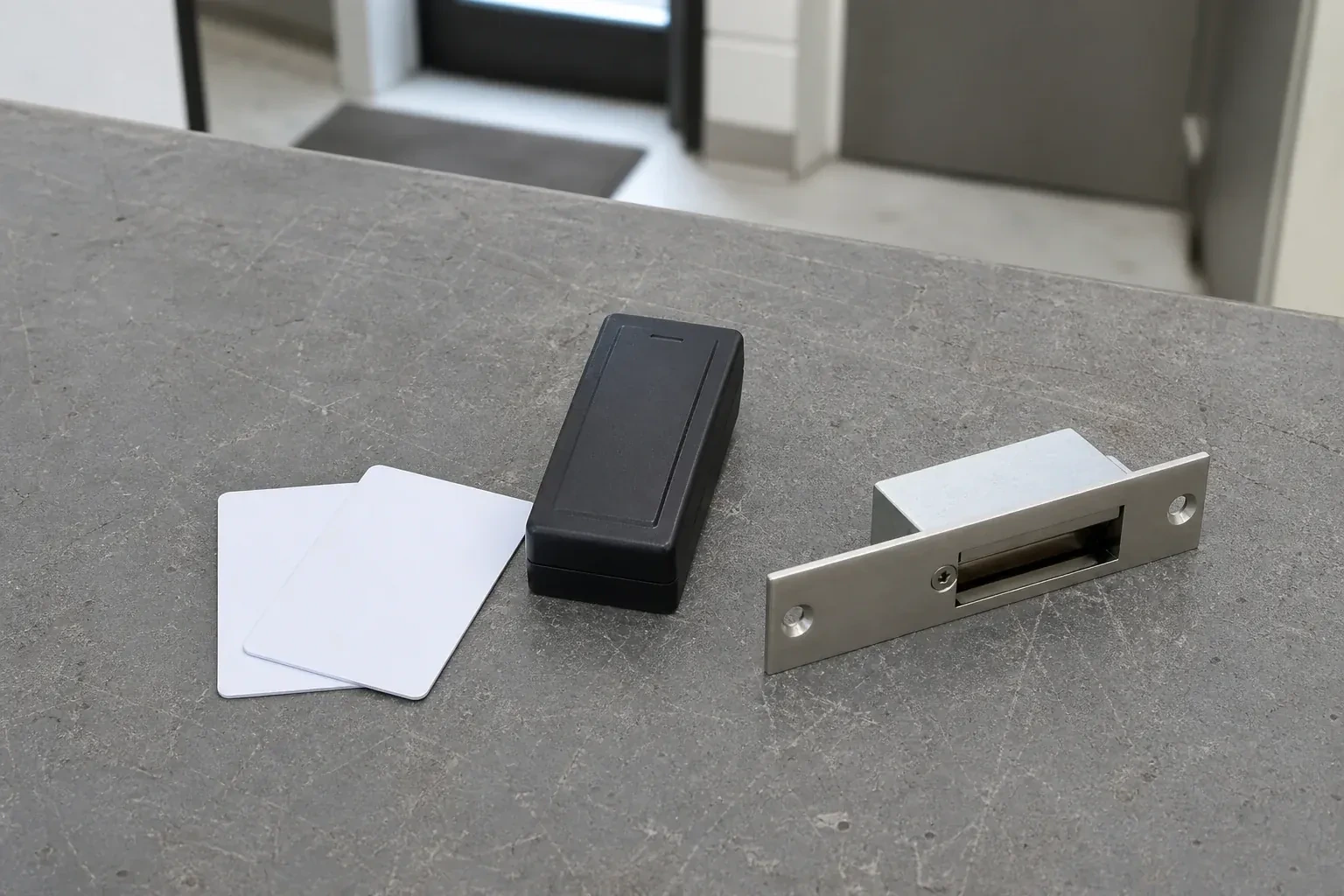
Offices and clinics in Normanhurst often need access managed for a changing group of people. We set up master-key systems, install keypads or card readers where they make sense, and keep mechanical locks working alongside the electronics. The aim is a system the office manager can run without calling us, backed by hardware that closes and locks properly every time.
33years in business
24/7open every day
You set the pace. We explain, you decide, we work. If you would rather sleep on a bigger change, we do what is needed now and leave the rest for another visit.
The reasoning behind each suggestion. Every recommendation comes with the reason for it, in language that does not require you to know the trade. Ask why as often as you like.
Order restored. Tools packed, dust cleared, doors closed properly. We leave your home or business looking as it did, with the lock problem gone.
For a household in Normanhurst the common requests are a rekey after moving in, a lockout, a deadbolt that grinds, and a lock that finally needs replacing. For a business they are storefront hardware, staff key control and exit devices. Both lists, and a few less common jobs, are laid out here.
About 61% of homes in Hamilton were built in 1980 or earlier, according to the 2021 Census.
Older homes
Layers of paint build up on older doors and frames, and a lock that seemed to fail is sometimes a latch glued shut by the last coat. Part of the visit in an older area is freeing hardware, cleaning the edges and checking the door swings true.
Single-detached houses make up about 56% of homes in Hamilton (2021 Census).
Where the housing is mixed, expectations about what can be changed differ. A homeowner in a house decides everything; a condo owner works within house rules on the outer face. The locksmith knows which conversation to have at which door.
Sliding doors, side gates, basement walkouts and garage entries are often the paths of least resistance on a house. High security work is not just about the front door; it is about closing the easy routes so the strong door is not simply bypassed.
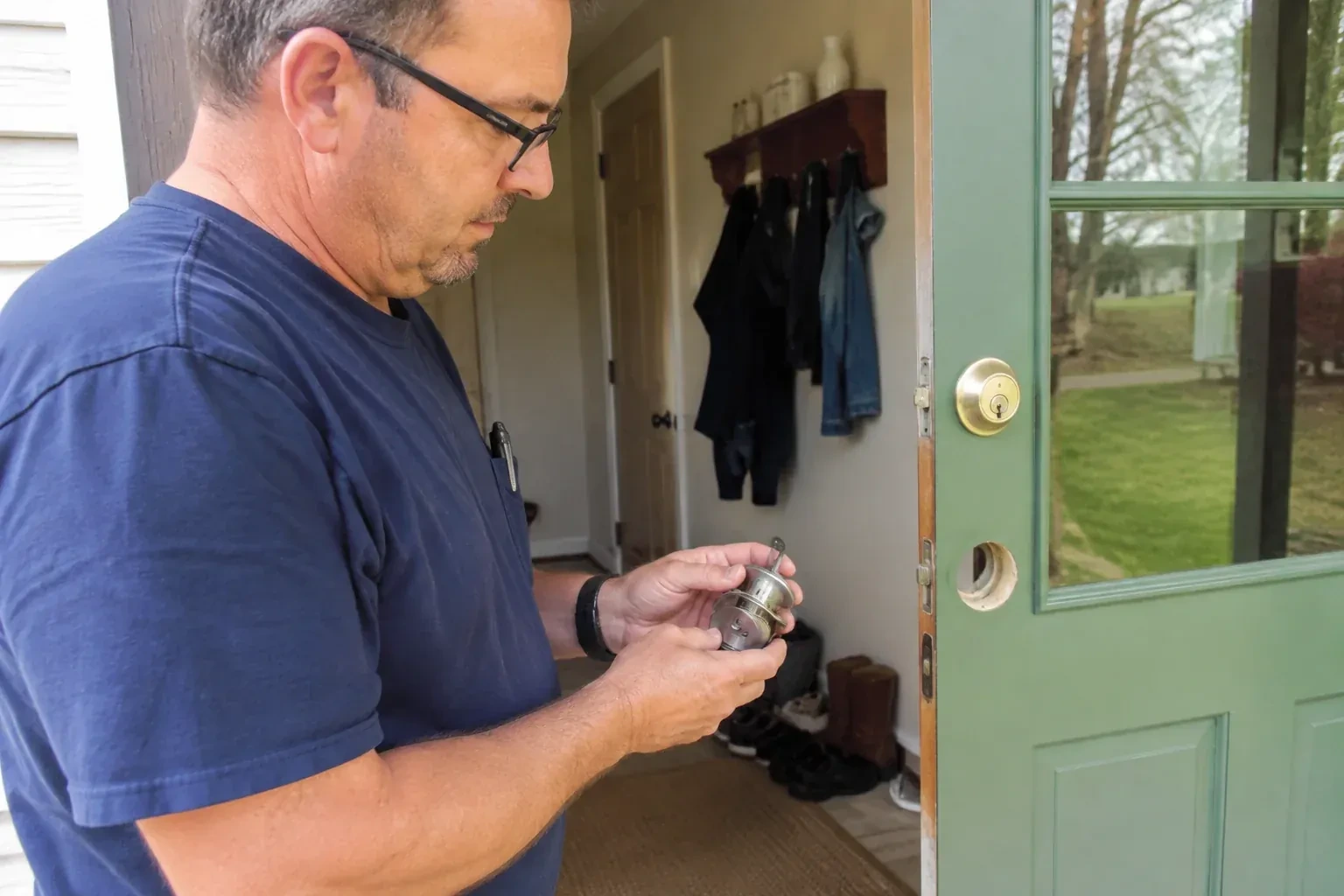
The house is fifteen years old and every exterior door still wears the light hardware the builder fitted: a short bolt, a thin strike held by two small screws, and a knob lock that never suited a street entrance.
Police have come and gone, the occurrence number is on a sticky note, and you are standing in a cold hallway looking at a splintered frame, wondering how the house gets locked before everyone tries to sleep.
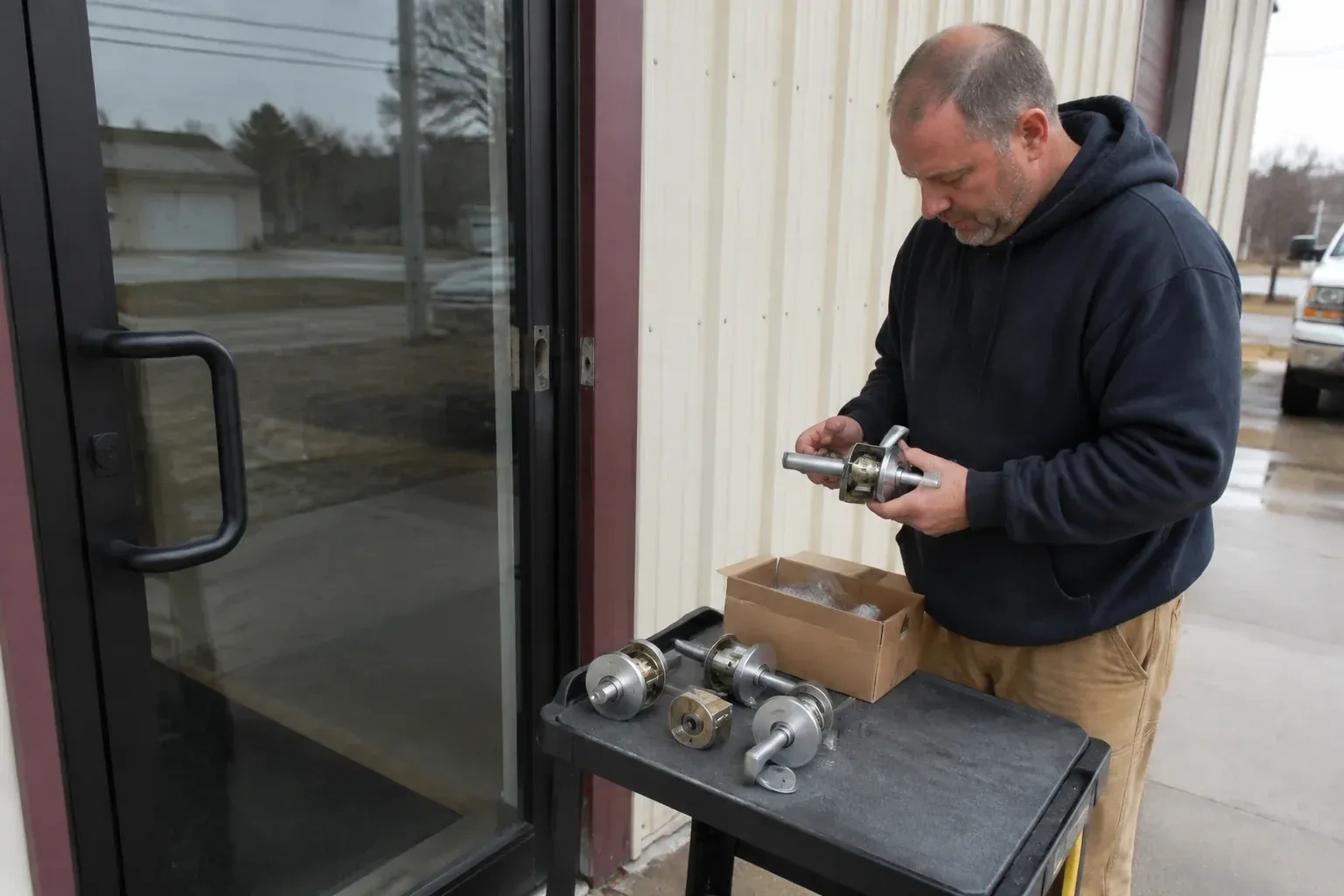
WhyOn storefronts, offices and older houses the hardware is often a mortise lock with a lever, and the jam is frequently inside the case, not the cylinder.
The interior bedroom doors on the second floor have the original mortise latches, and none of them close any more.
WhyOccasionally a case really is finished, with a cracked body, a bolt worn to a sliver or a hub broken in two, and the answer is a replacement that respects the door.
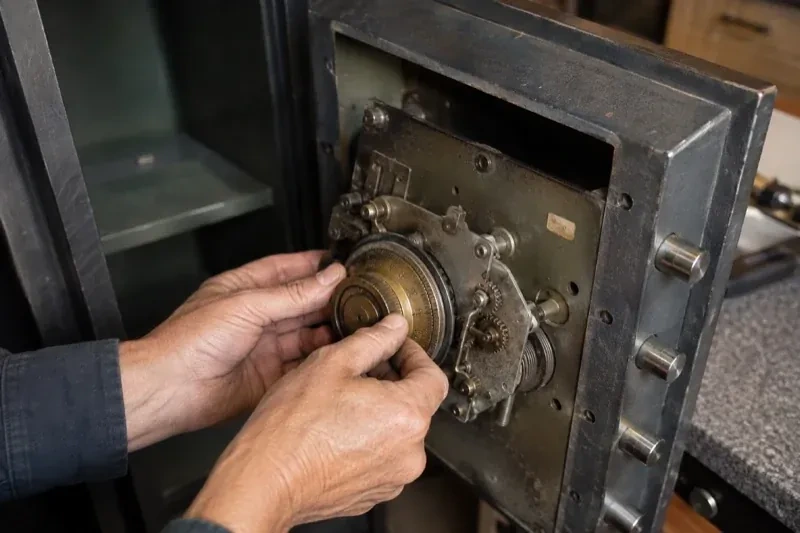
A customer's rifle safe at the range has a dial that simply will not respond to the combination written on the sales receipt from years ago.
WhyChanging a combination is not only for a safe that has stopped opening.
The back door of the shop runs on one key, and by now it lives on six different rings: yours, two managers, a cleaner, a supplier who restocks early, and a keyholder nobody quite remembers approving.
WhyAn exit door does not stop being an exit once it is wired into an access control system.
Head office wants every branch keyed alike under one system, and half the locations are still running whatever lockset the original contractor happened to install years ago.
WhyBusinesses often reach this service after something specific happens: a break-in, a departing employee holding a working key, a lease turnover, or an inspector's note about the rear exit.
After fifteen years the blade has worn to a smooth sliver.
WhyNot every transponder chip is built the same way.
How a visit goes
Describe the property, the hardware and what has changed, and the visit starts from what you have seen.
1
2
3
01
A look inside the keyway
We check how deep the fragment sits and whether the cylinder was already worn or dry. That tells us how to draw the piece out without pushing it further.
02
Drawing the piece out
With extraction tools and patience the broken blade comes out whole. We clean and lubricate the cylinder so the next key goes in smoothly.
03
Cutting a fresh key
A key that snapped was usually tired. We cut a new one from the two halves or from the lock itself, test it and suggest retiring any other worn copies.
Good days. Start with a turn.
1/9Business Lockout Service
The key went in stiffly, turned a quarter of the way, and came out in two pieces. Half of it is still inside the cylinder of the aluminium storefront door, and the deadbolt is hooked firmly into the frame.
Overnight the deadbolt froze, and this morning the key would only turn partway. One more push and it sheared off flush with the face of the cylinder. There is nothing left to grip, and the cold is not helping.
Every time you pull the key out of the side door it comes away gritty. The lock has been sticky since the salt trucks started running, and today it has gone from sticky to solid, with the bolt still thrown.
The interior bedroom doors on the second floor have the original mortise latches, and none of them close any more. The doors drift open, the small brass turn buttons do nothing, and the keyholes have been empty for as long as anyone can remember.
The back door of the shop runs on one key, and by now it lives on six different rings: yours, two managers, a cleaner, a supplier who restocks early, and a keyholder nobody quite remembers approving.
Head office wants every branch keyed alike under one system, and half the locations are still running whatever lockset the original contractor happened to install years ago.
After fifteen years the blade has worn to a smooth sliver. It needs a jiggle in the ignition most mornings, this week it took three tries, and a copy cut from that same worn key would only carry the wear forward.
The blade snapped off flush with the door lock last winter, and the shop that cut a replacement only matched the metal shape. The fob still locks and unlocks the doors from across the driveway, but the engine cranks over and over without ever catching.
How many keys should a business have, and who should hold them?
Fewer than most businesses think, and every one of them named. Two people who can open, one of whom can be reached on a day off, cover the door. Cleaners and contractors get a key only if they need one and hand it back when the arrangement ends. Write down who has what, collect keys when people leave, and rekey when one does not come back. Interior keys for the cash office or stockroom follow the same rule on a shorter list.
What should I do while I wait for the locksmith?
Put both halves of the key somewhere safe, note whether the door or vehicle is locked, and leave the keyway alone. If it is bitter cold, keep the storm door closed so the lock is not taking freezing rain. Have identification ready, or vehicle papers for a car. If the door is open, stay near it. That is all; the extraction goes smoother for a lock nobody has poked at.
Do I have to prove I live or work here?
It is a normal part of the visit and it protects you as much as anyone. Photo identification matching the address is the simplest route; a lease, a bill, a management record or a manager or neighbour who can confirm you works as well. For a business, the key holder or the person on the lease is enough. If the documents are behind the jammed door, the check is completed once you are inside, before the locksmith leaves.
Can the work be done with the lock left in the door?
Rarely, and it is not the better route. Almost everything that fails is inside the case, and the case only opens once it is out of the pocket, which takes a few minutes and leaves no mark. Working through the keyhole with an unapproved or over-applied spray tends to wash out what little lubricant should stay and gums the levers later. Removing the case, cleaning it properly and refitting it is the repair that lasts.
I bought the safe secondhand and have no idea of the combination. Can it still be opened?
Yes. A safe with no known history is treated as an unknown from the start: the locksmith identifies the make, model and lock type directly from the hardware and works through the same manipulation, decoding or reset options used on any other safe. Proof of the purchase or transfer establishes your authority to have it opened, and the process afterward does not depend on any prior record existing.
Can a person's access change automatically by time of day or day of the week?
Yes. Access levels can be set to change automatically by time of day or day of the week, so a credential that opens a door during a shift can be denied outside it without anyone having to remember to switch it off manually. This is set up once in the schedule and then runs on its own from that point forward.
Can you upgrade hardware without re-cutting the door or frame?
In most cases, yes. Replacement hardware is chosen to fit the door's existing mortise pocket, bore pattern or narrow-stile prep, so the visit does not usually involve altering the door itself. Re-cutting only comes up when the business specifically wants to change hardware type, for example moving from a knob-and-deadbolt pair to a single mortise lock body.
What is the difference between adding a spare and replacing all keys?
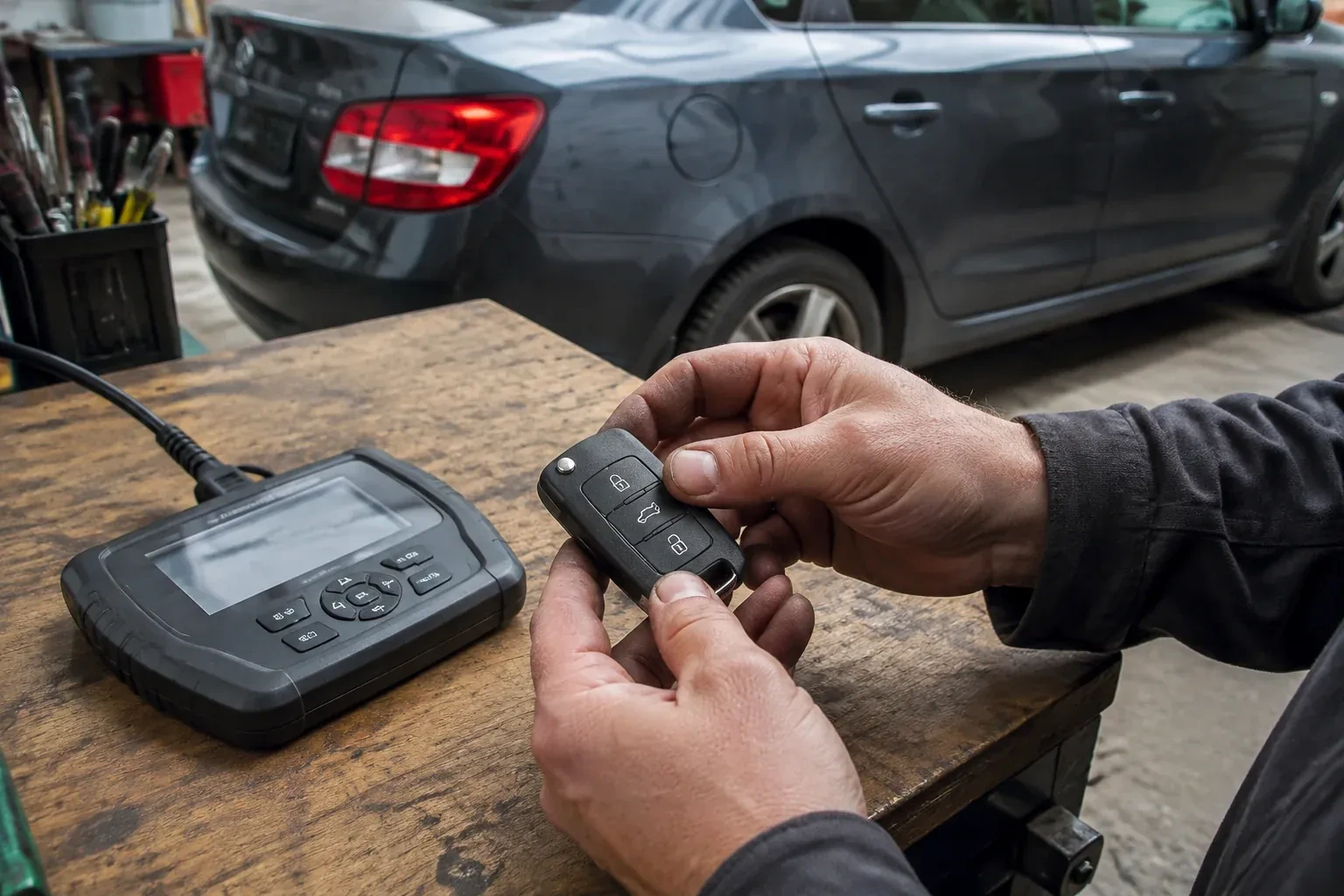
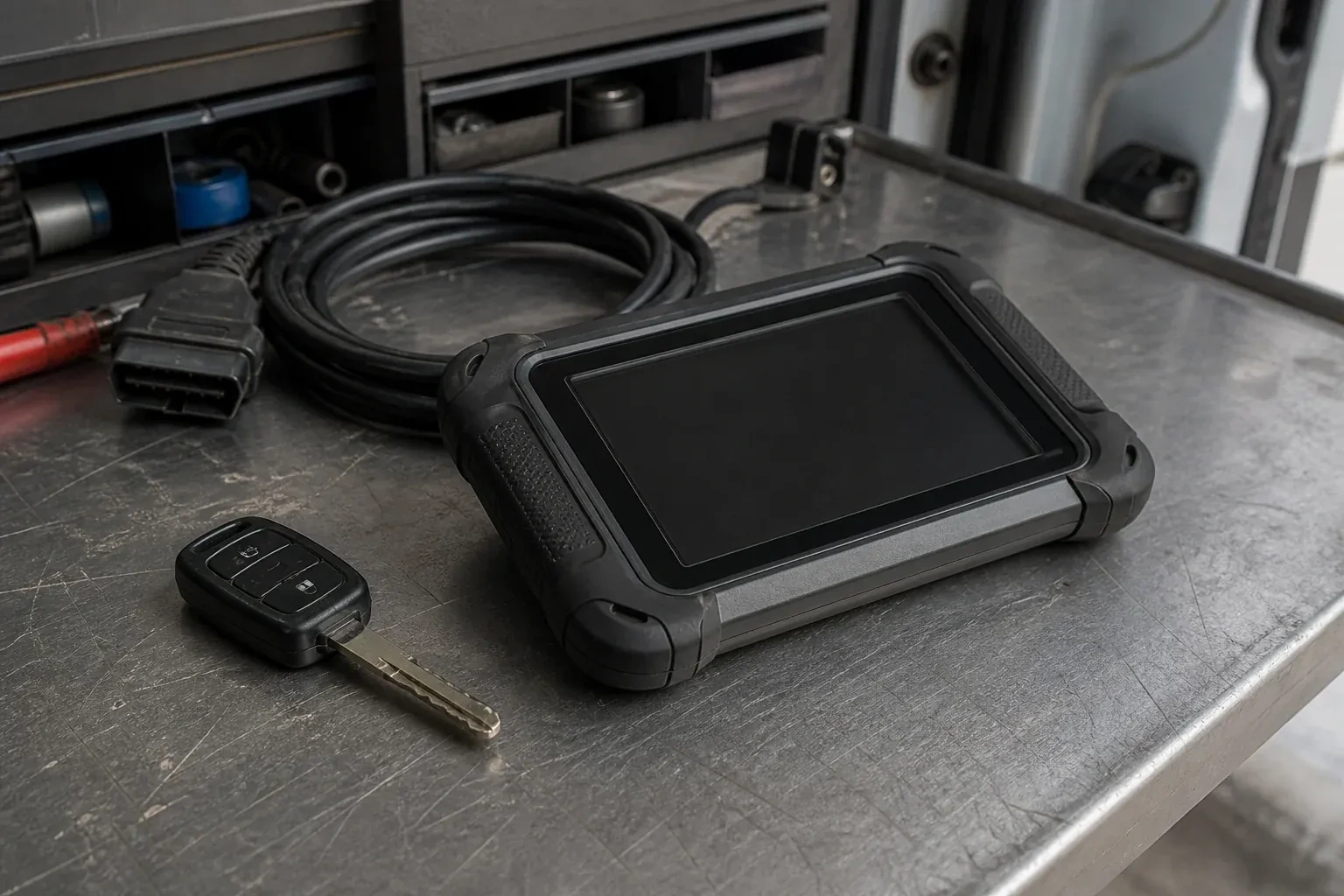
Adding a spare uses an existing working key as the reference: the new blade is cut and checked against it, and the immobilizer is asked to accept one more key alongside the old. Replacing all keys starts with nothing: the lock is decoded for a blade, and the immobilizer is reset to forget every previous key before new ones are stored. The second job is longer and sometimes needs manufacturer data, one more reason to keep a spare.
What information should I have ready before this visit?
The vehicle's year, make and model, and its VIN if it is easy to find, let the locksmith arrive with the right blank and chip already in hand. Knowing how many keys currently work, whether any were lost or stolen, and whether the vehicle uses a basic blade or a fob shapes the rest of the visit before a single tool comes out.
Request a visit
Older houses in Normanhurst get a locksmith who respects them. We work around original trim, keep period hardware where it can be kept, and match finishes when something new is needed so the door still looks like it belongs to the house. Modern security can sit behind a hundred-year-old face; that is a matter of choosing parts carefully.