Change or rekey · Hamilton
Lock Rekeying
Your roommate moved out last weekend.
In plain words
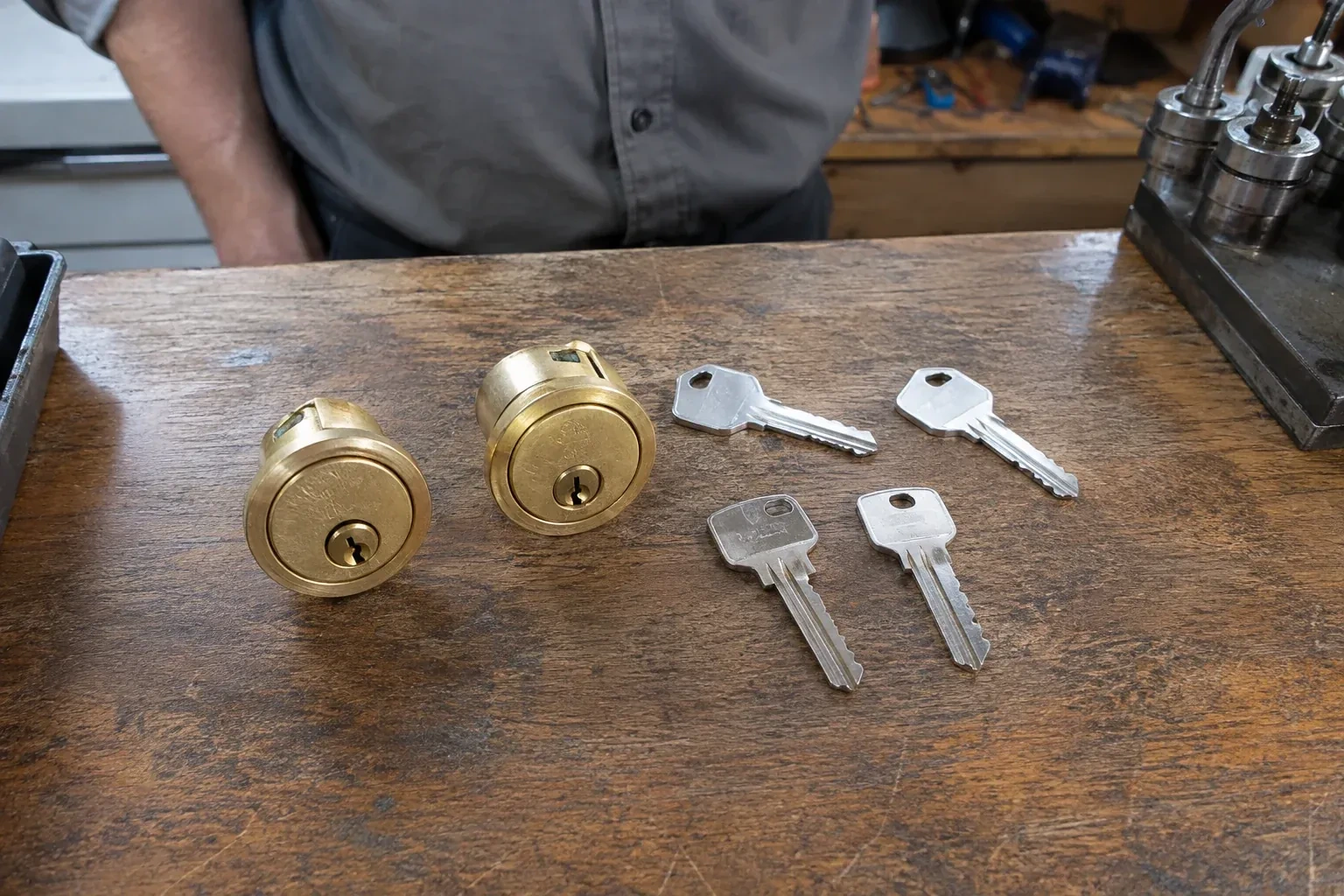
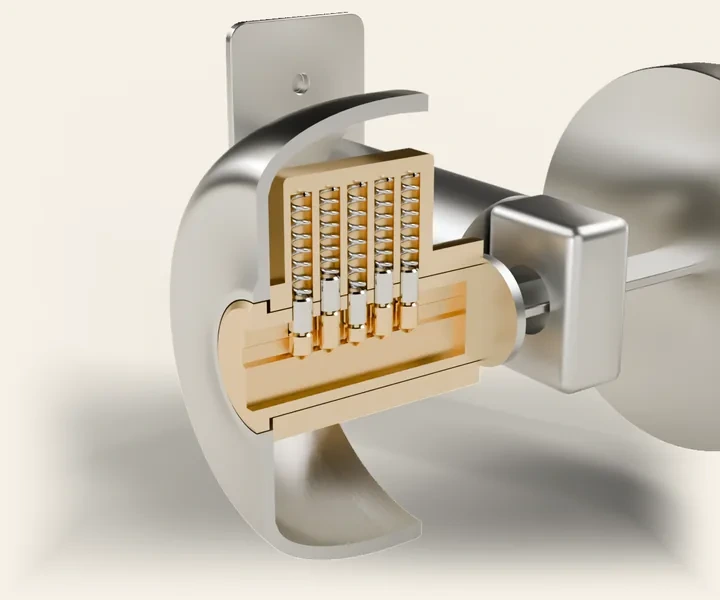
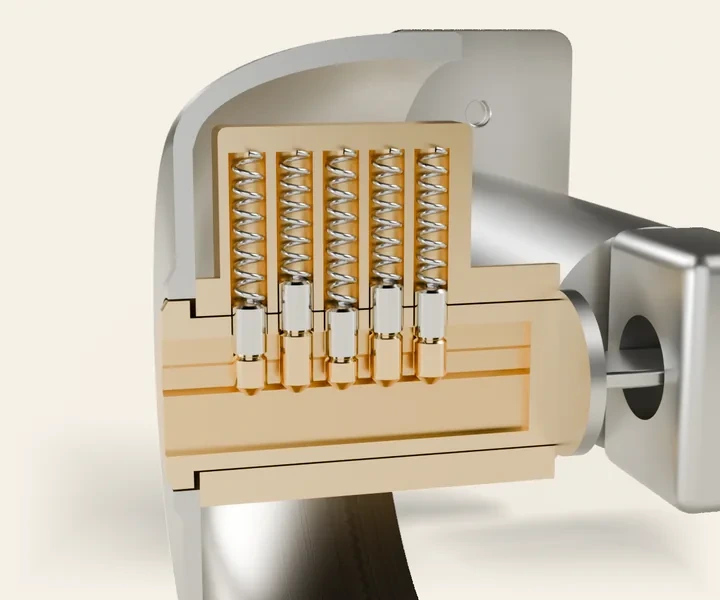
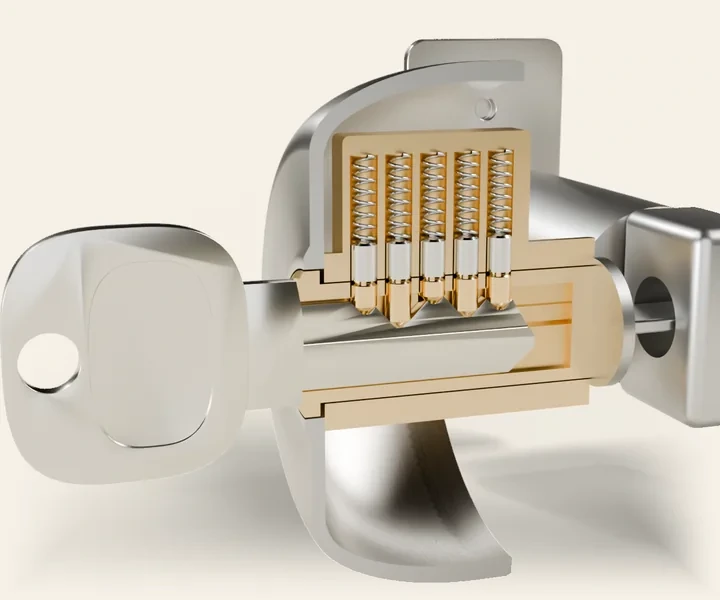
Rekeying is a change made inside the lock rather than to the lock itself. Many keyed cylinders hold a row of small pins that have to sit at exactly the right heights before the plug will turn, set by the cuts on your key, though some residential cylinders use a side-locking bar instead of pins. A locksmith slides the plug out, removes the pins, and loads a new set matched to a freshly cut key. Reassembled, the lock looks and feels exactly as it did, except that the new key turns it and every key cut before today does not. Your hardware, finish and door stay as they were.
How the visit goesThe builder handed over your new home with a stack of identical keys, and you know the framing crew, the painters and the flooring installers all used a construction key during the build. The doors are brand new, but the key that opens them should be yours alone.
Inside the lock
What a rekey changes
01
The lock you already have
02
Inside the cylinder
03
Pins, springs and the shear line
04
A new key, new pins
Lock Rekeying
How the visit goes
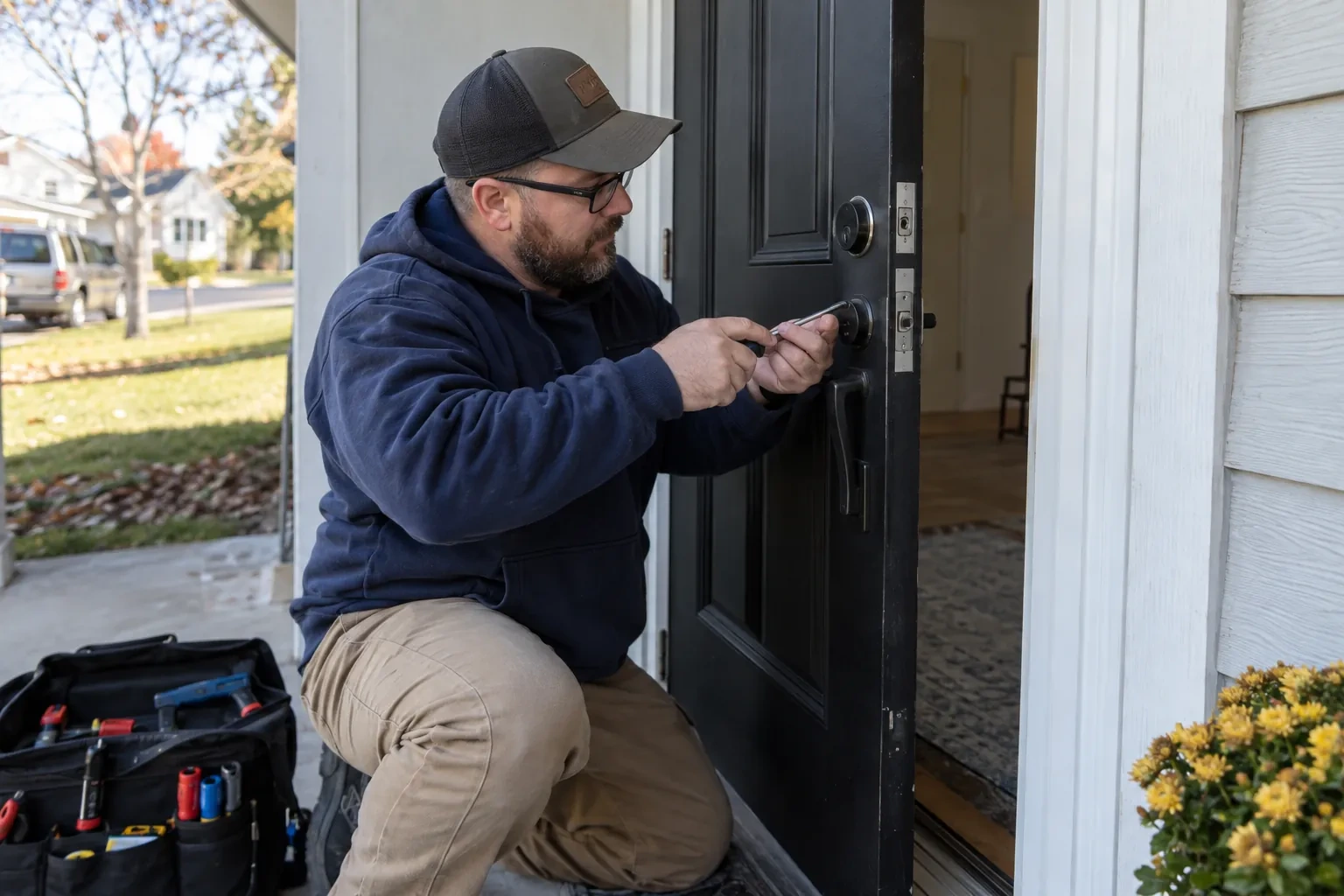
Walking every door that should be included
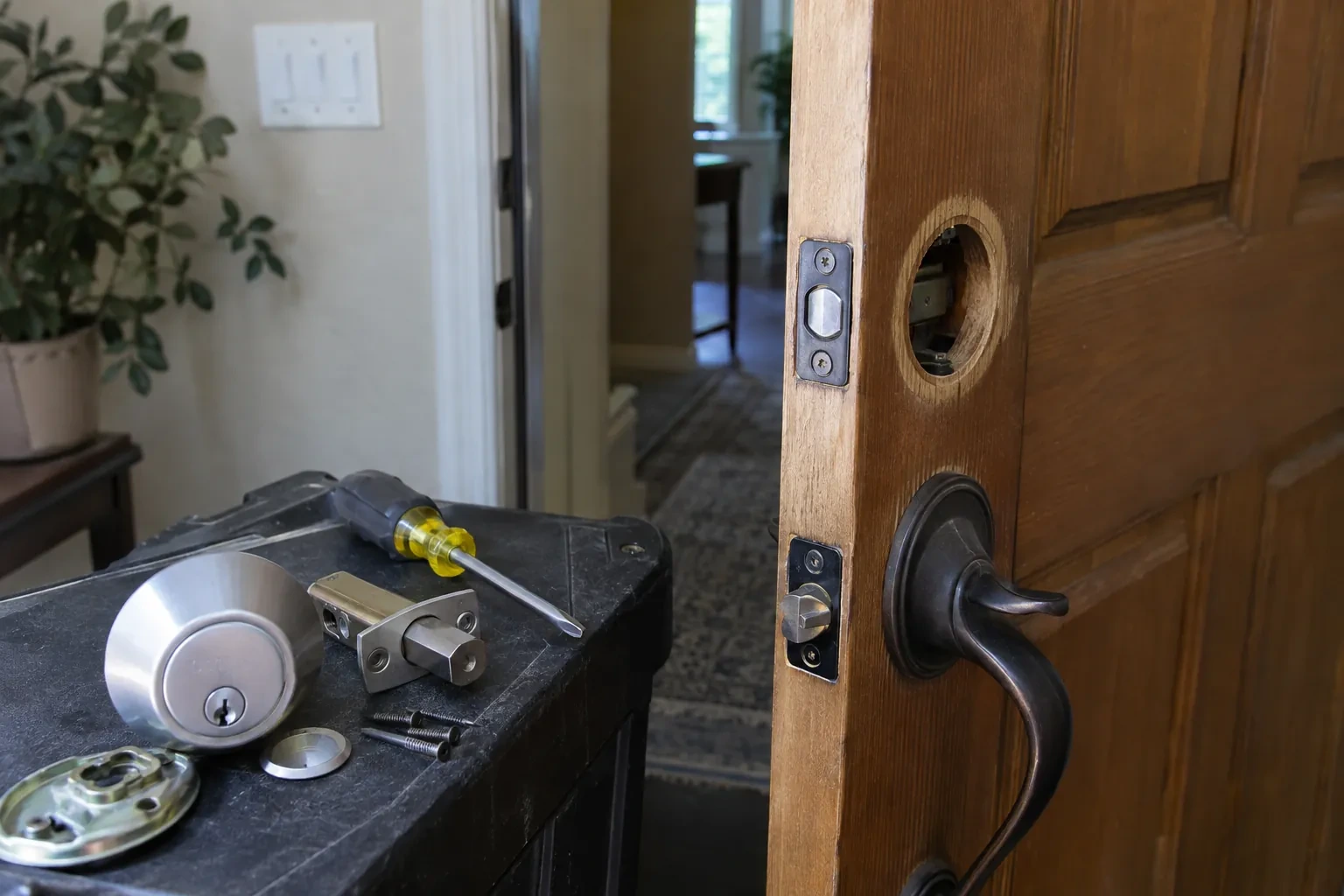
Before a single cylinder comes out, the locksmith walks the property with you and lists each opening: the front door, the back and side doors, the door from the garage into the house, a walkout basement, a gate with a keyed latch, a shed, a mailbox, and any interior door you want on a key. It is surprising how often the garage's side door or the storm door is forgotten and left on the old key. The list becomes the plan for the visit and, at the end, the record of what was done. A door that is not on the list is not rekeyed, so the walk is worth two careful minutes.
Proving the old keys are finished
The last operation at every door is the test that matters most. The locksmith turns the new key from outside and inside with the door open, then closed, and confirms the bolt throws fully and draws back cleanly. Then the old key is tried in the same cylinder and must turn nothing. This is repeated at every rekeyed door, because the door that gets skipped is the one an old key still opens. Spares cut from the new pinning are tried in every lock they are meant for. The old keys, now just shaped brass, are collected or handed back to you for the recycling bin.
For landlords: the tenant's copies and the paperwork
After a rental unit is rekeyed, the incoming tenant receives their keys, the landlord keeps a copy as the tenancy rules expect, and the number issued is written on the move-in record so the count at move-out is easy to check. The former tenant's keys are retired. Where a building has several suites, the locksmith can keep each on its own key while the shared entry stays on a common one, and the note of which key belongs to which door becomes the start of a keying chart. That chart is what makes the next turnover a matter of one cylinder rather than a guessing game about who has what.
Lock Rekeying
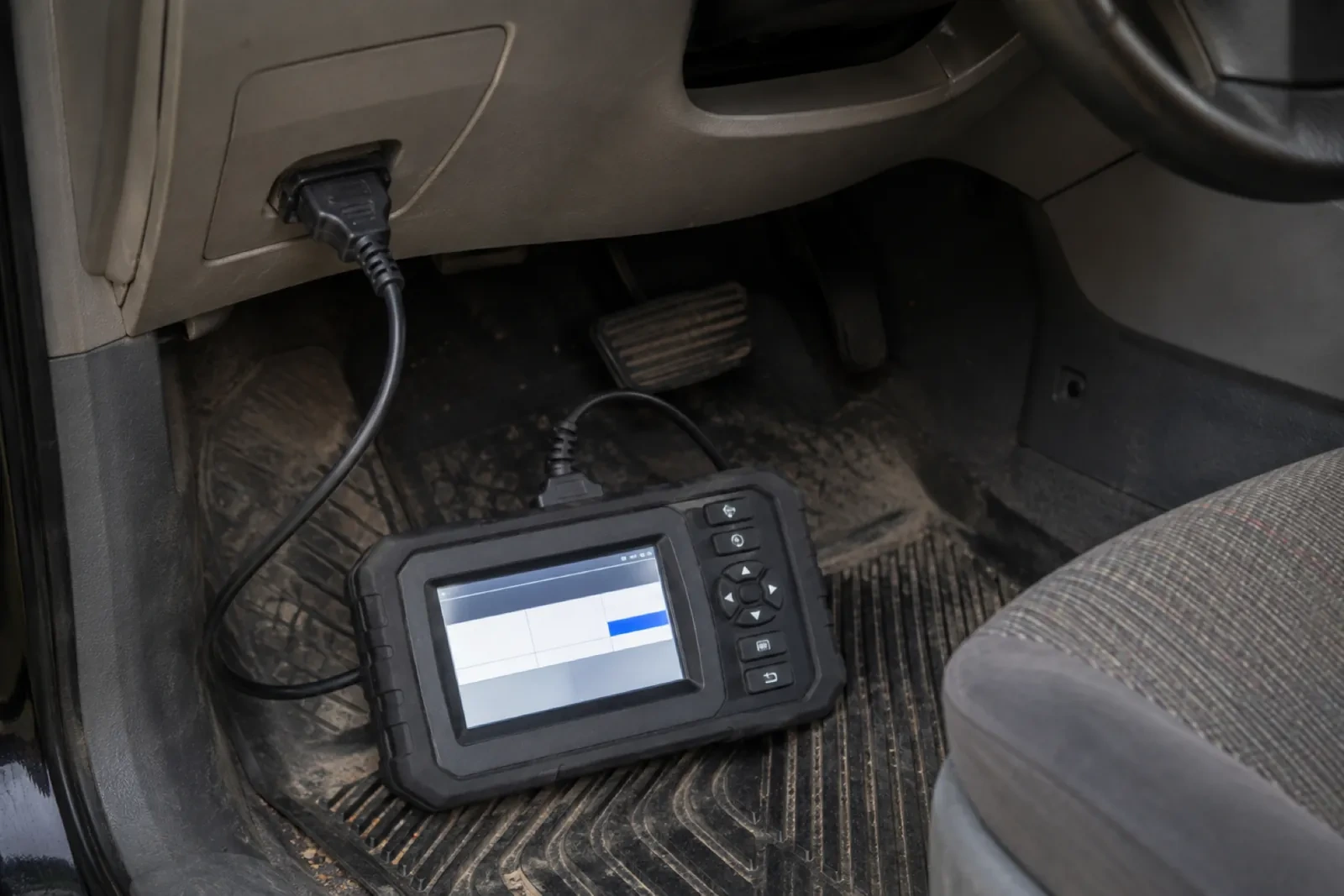
In the van
Graded bottom pin kit
Key gauge
Key blanks
Plug follower
Code cutter or key duplicator
Lock Rekeying
What affects the quote
Upgrades chosen during the visit
Some people take the opportunity to replace a double-cylinder deadbolt with a thumb-turn model, add a reinforced strike or move to a heavier deadbolt. None of it is needed to rekey; each is a separate line.
How many cylinders are included
Each cylinder is removed, pinned and tested on its own, so a single deadbolt and a house with six exterior locks plus a shed and a gate are very different visits, and the quote follows the count.
Restricted or high-security cylinders
Patented keyways use controlled blanks and pins that cost more than standard ones, and their keys are produced from a controlled record instead of being copied, so a system of that kind is quoted differently from builder-grade hardware.
What to have ready
- Which doors do you want rekeyed, and have you counted the door from the garage?
- Are any of the locks keypad or smart locks with a backup key?
- Would you like every door on one key, or should some doors stay separate?
Lock Rekeying: questions
QuestionsWill I need to prove I own or rent the home?
Yes, and it is a welcome part of the job. Rekeying decides who can enter, so the locksmith confirms the person asking has the standing to make that decision. For an owner that means photo identification alongside a document that links them to the property, for instance a property tax notice or the closing statement. A manager brings the owner's written authorization. A tenant mentions that the landlord has agreed and will be given a key, since tenancy rules here expect both to hold one.
I rent. Can I have my locks rekeyed?
Yes, with your landlord's agreement, which is what the tenancy rules here expect before a tenant changes a lock. Most landlords are glad to consent when a key has gone missing or a former roommate has moved out, and the locksmith will want to hear that the landlord knows and will be holding one of the new keys. The rekey itself runs the same as for an owner, and a short note listing the doors done is handy to pass to the landlord.
What happens to my old keys?
They become ordinary pieces of brass. Once the cylinders are pinned to the new combination, the old keys turn nothing on your property, so there is no security reason to keep or hide them. Hand them to the locksmith for disposal or drop them in the metal recycling. If a former roommate or contractor still has one, it no longer matters, which is the whole reason for the visit. Keep only the new set, counted and tagged.
Related services
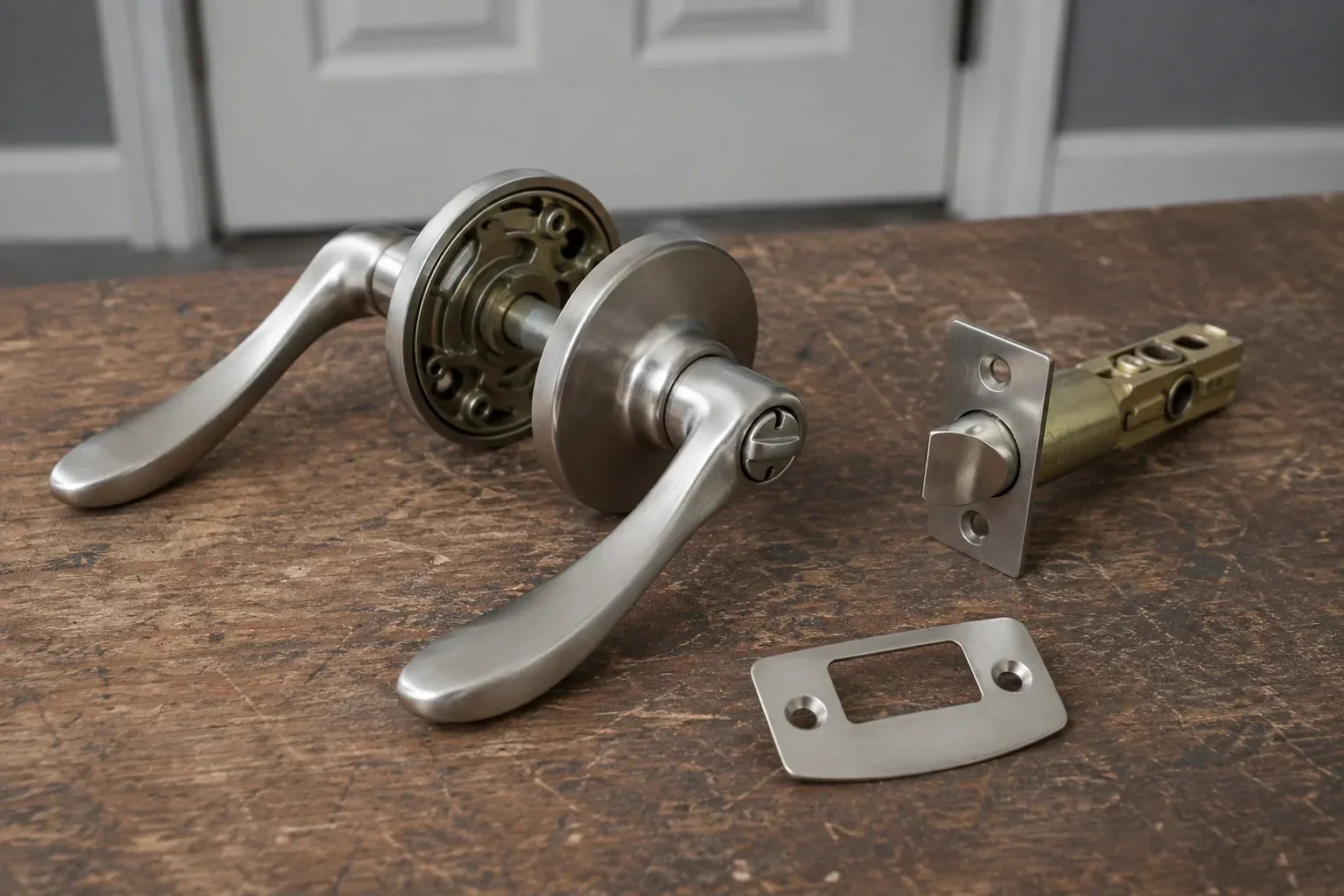
- Lock Replacement & UpgradeThe house is fifteen years old and every exterior door still wears the light hardware the builder fitted: a short bolt, a thin strike held by two small screws, and a knob lock that never suited a street entrance.
- Vintage Mortise Lock ServiceSomeone painted the door years ago without removing the hardware.
- Smart Lock InstallationYou have just taken possession of the house and the previous owners handed over a keypad deadbolt with a code nobody wrote down and an app account you cannot get into.