Locksmith in Hamilton, OntarioLocksmith in Hamilton,on call around the clock
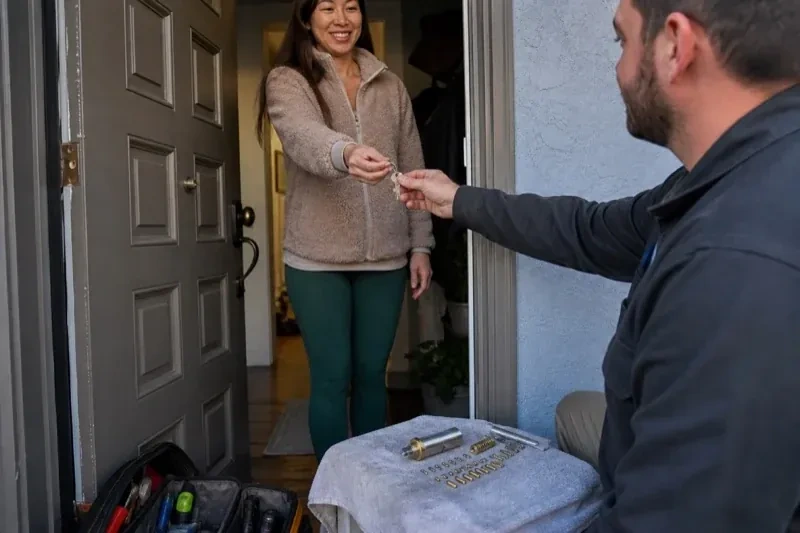
A lockout does not check the time, so neither do we. Households and businesses in Hamilton can reach a working locksmith at any hour, and the fee for the visit stays the same whenever you call. We bring the same van and the same care whether the call comes at noon or long after dark.
A lockout does not check the time, so neither do we. Households and businesses in Hamilton can reach a working locksmith at any hour, and the fee for the visit stays the same whenever you call. We bring the same van and the same care whether the call comes at noon or long after dark.
Getting you back inside, gently.
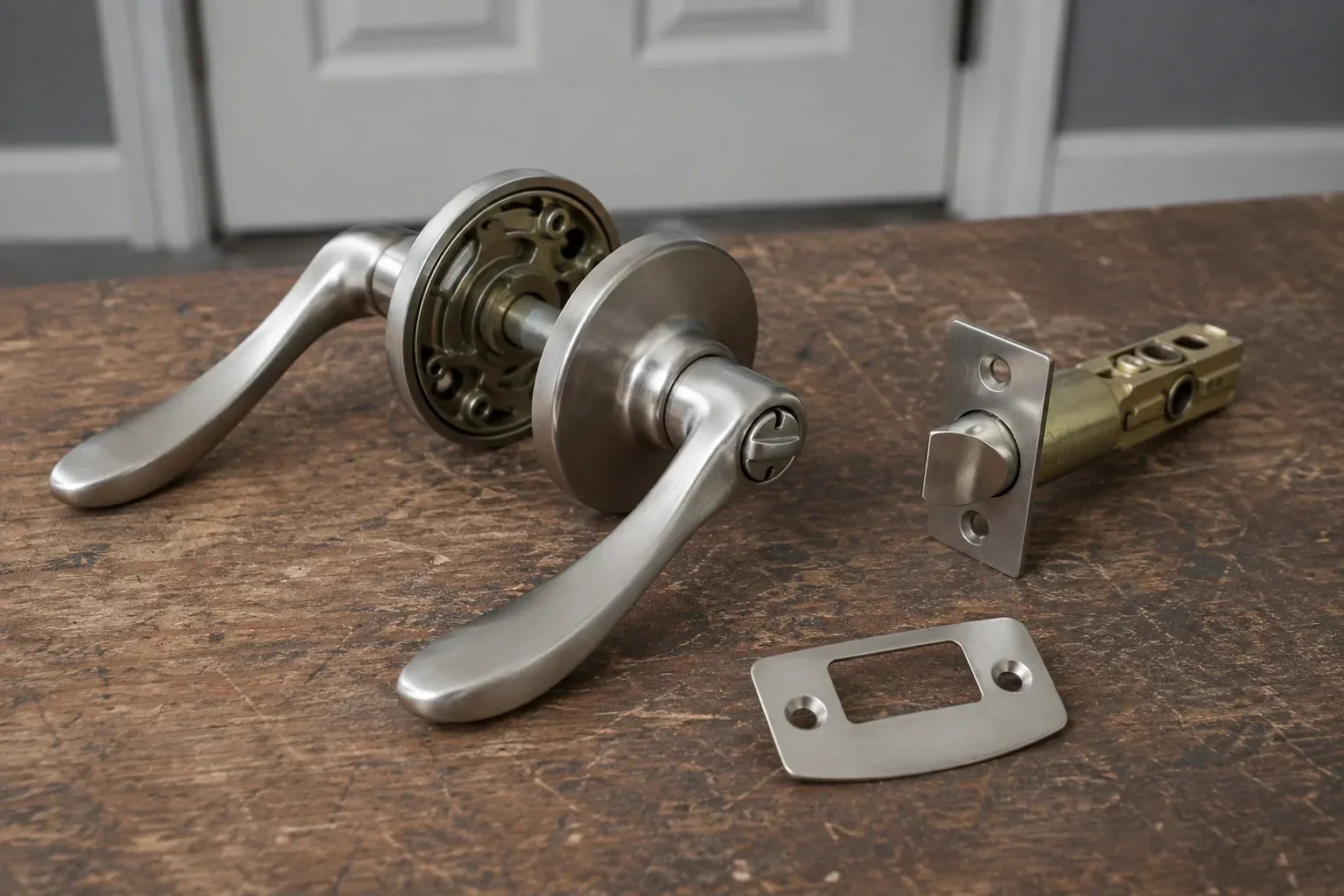
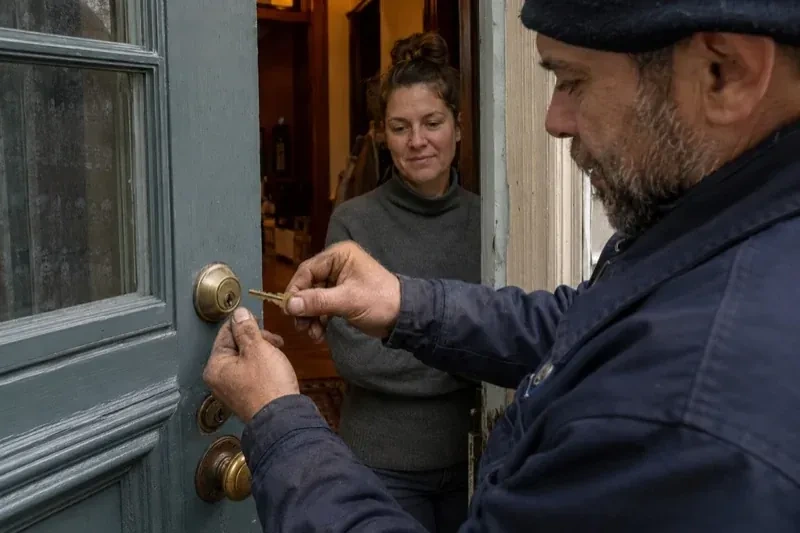
In Hamilton we think about how a door is actually used before choosing hardware. A back door staff prop open needs a different answer than a front door a family uses twice a day. A side entry for a teenager who forgets keys may want a keypad. We ask those questions first, then match the lock to the habit.
High security upgrades are a steady part of our work in Hamilton. Whether a break-in nearby has made you look at your strike plate, too many keys have gone out over the years, or a stockroom needs a controlled key, we assess the whole door, fit rated cylinders and reinforced strikes, and set up keys that cannot be copied without your authorisation.
33years in business
24/7open every day
You set the pace. We explain, you decide, we work. If you would rather sleep on a bigger change, we do what is needed now and leave the rest for another visit.
The reasoning behind each suggestion. Every recommendation comes with the reason for it, in language that does not require you to know the trade. Ask why as often as you like.
Order restored. Tools packed, dust cleared, doors closed properly. We leave your home or business looking as it did, with the lock problem gone.
From the front door of a house to the back door of a warehouse, the work in Hamilton comes down to a few families of jobs: getting in, changing who can get in, making it harder for the wrong people to get in, and keeping the hardware turning smoothly year after year. Browse the list to find yours.
About 61% of homes in Hamilton were built in 1980 or earlier, according to the 2021 Census.
Older homes
Decades of seasons move a frame, and an older house often has a front door that locks easily in summer and fights in winter. Setting the strike with the seasons in mind, and choosing a lubricant that stays fluid in the cold, keeps it working year round.
Single-detached houses make up about 56% of homes in Hamilton (2021 Census).
A mix of detached and attached housing means a mix of key habits: spare keys under pots at houses, fob-and-key combinations in buildings. A locksmith can improve both, with a proper key safe or keypad here and a tidy suite cylinder there.
The key went in like any other morning, you turned it, and something gave with a small metallic click. The bow is still between your fingers. The rest of the blade is sitting inside the deadbolt, and the door is locked.
Your purse was taken from the back of a chair at a restaurant. The cards can be cancelled by phone tonight, but the house keys were in the side pocket beside a driver's licence that shows exactly where those keys fit.
The house is fifteen years old and every exterior door still wears the light hardware the builder fitted: a short bolt, a thin strike held by two small screws, and a knob lock that never suited a street entrance.
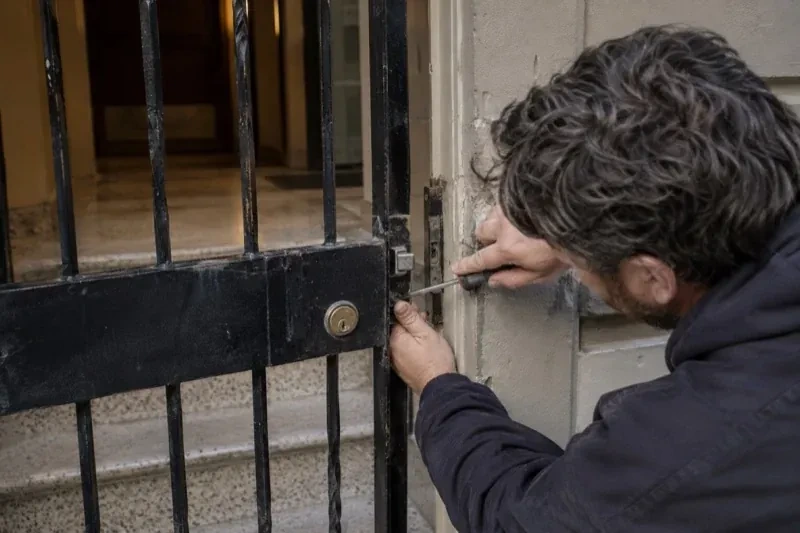
The driveway gate drags a groove into the gravel every time it swings, and the latch stopped catching weeks ago. Now it sits propped shut with a brick, waiting for anyone to walk through and forget to prop it back.
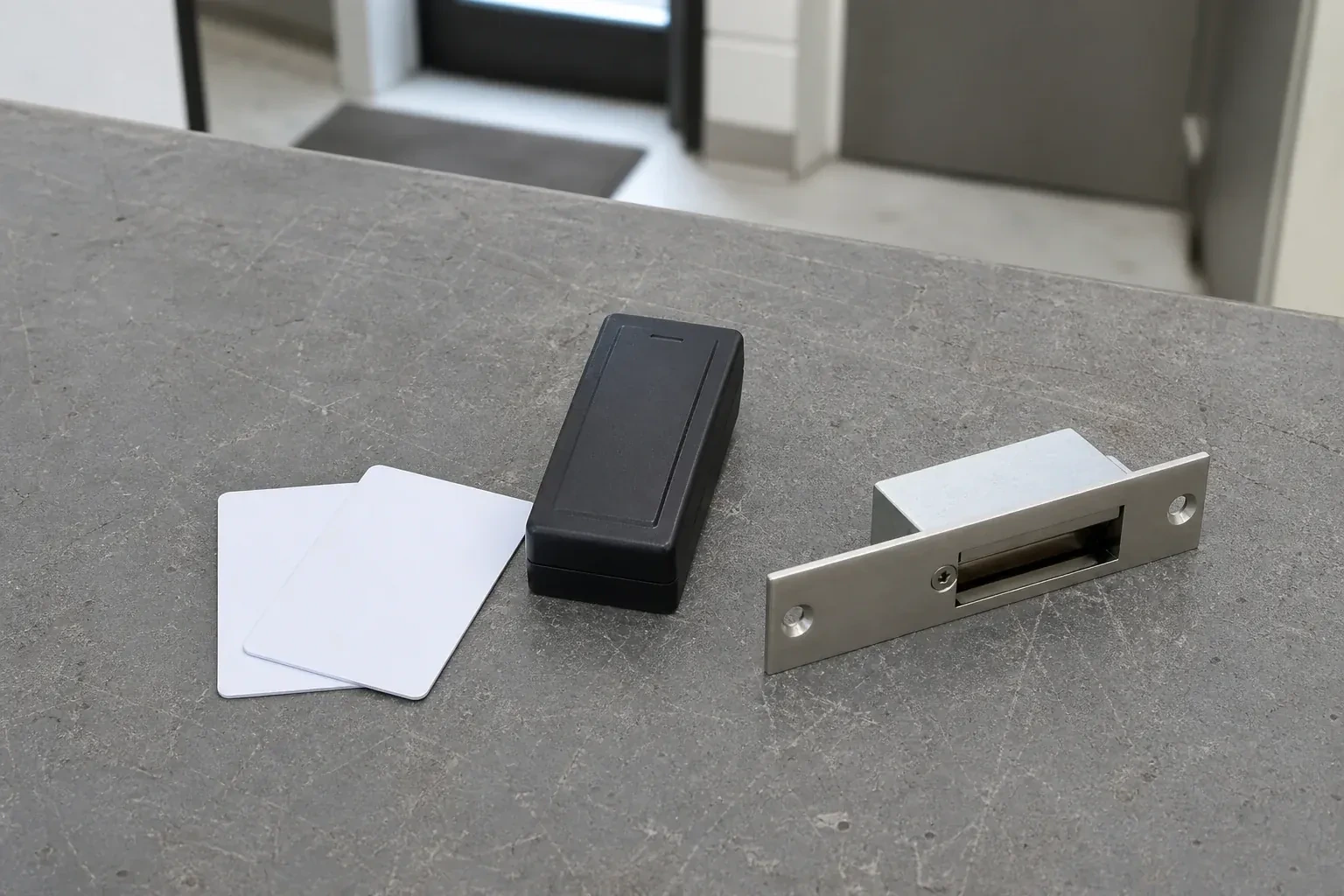
The keypad on the side door has started sticking on cold mornings, codes get shared instead of reset, and half the staff still remember a code you meant to retire two hires ago.
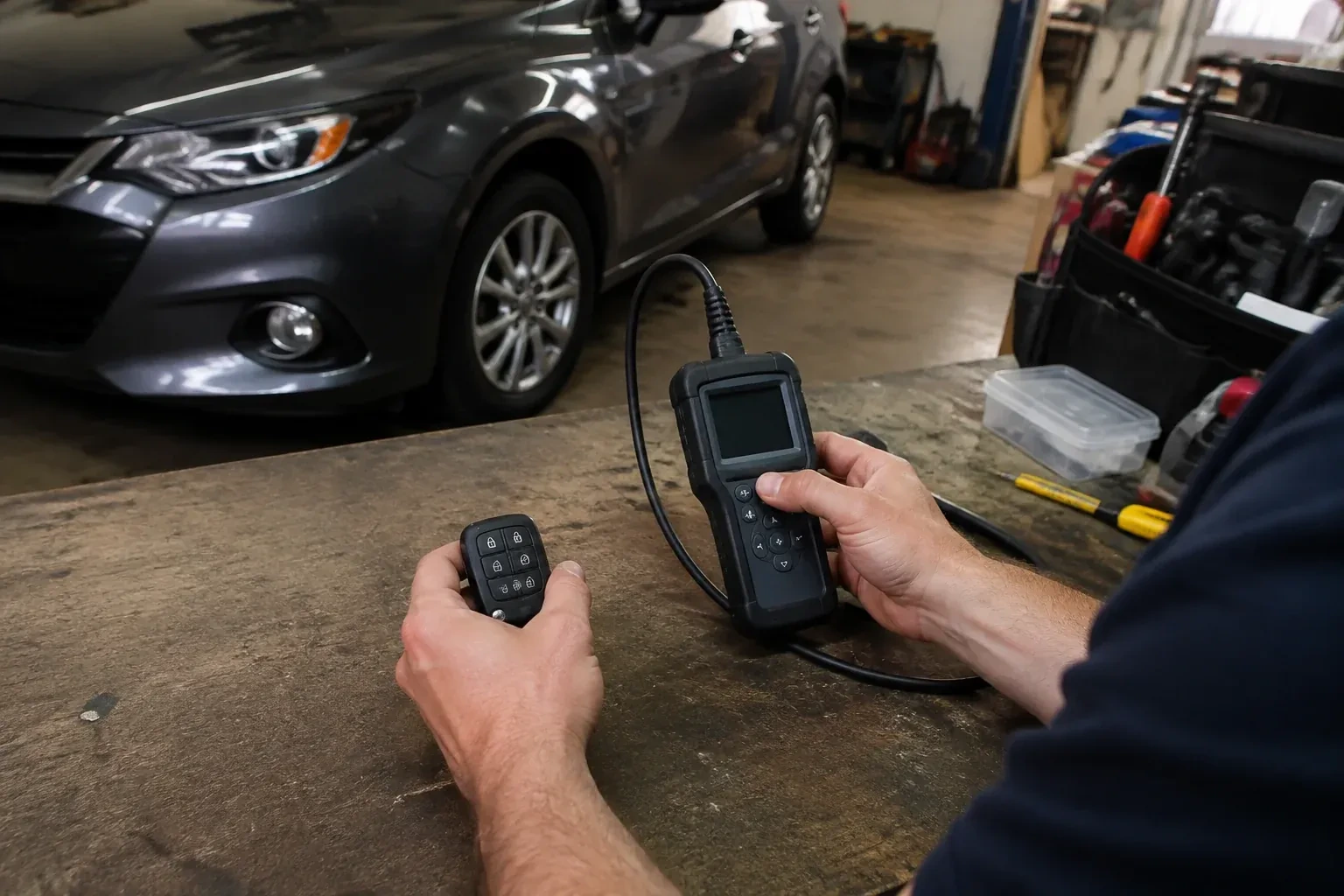
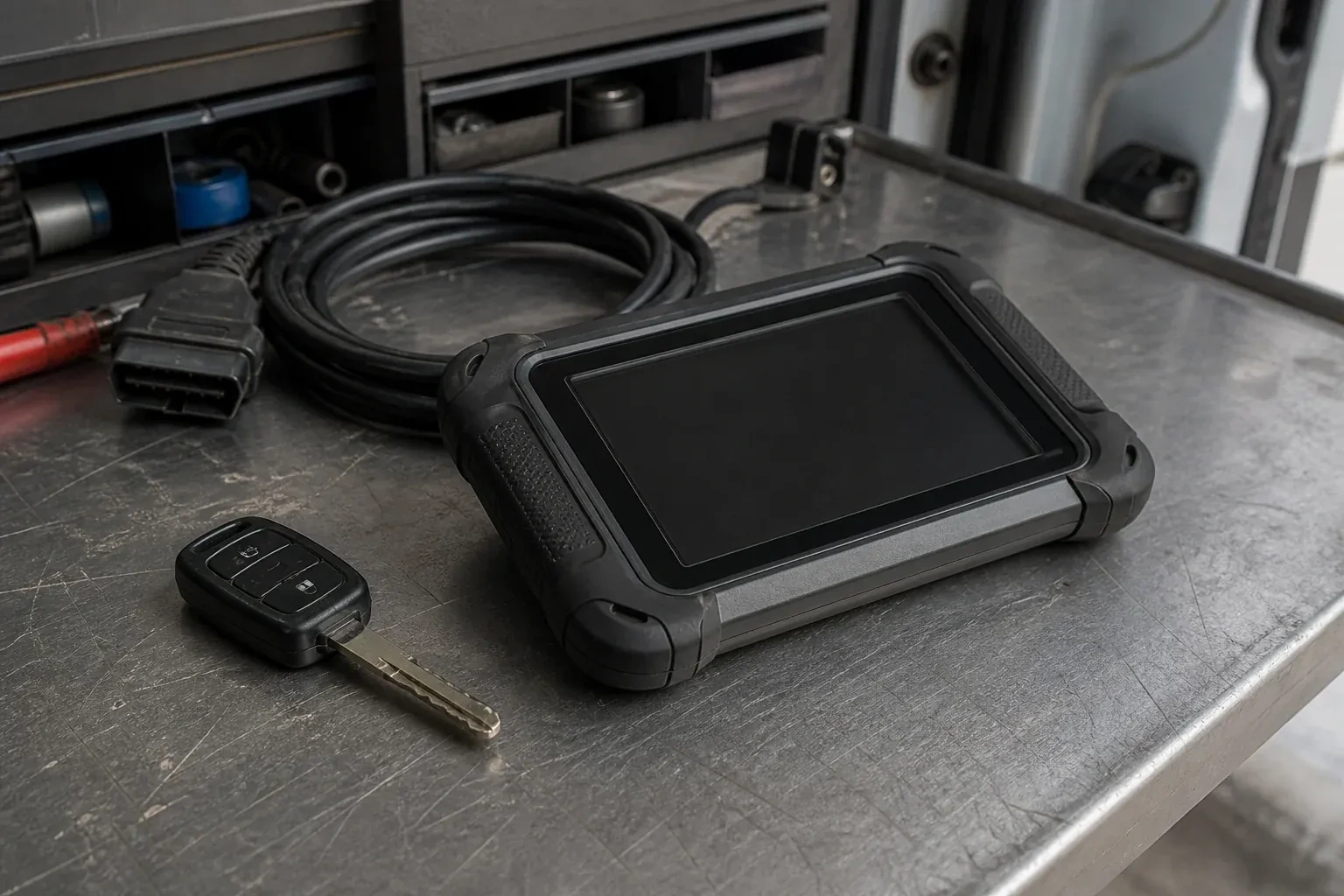
Every fob for the car disappeared at once inside a bag that was never recovered, and the vehicle now sits in the driveway with no way in and no way to start it. A dealership visit would mean arranging a tow; a mobile programming visit is the other route.
Since the remote starter was installed last month, the original key has started acting strangely, the car catches on the first turn some mornings and refuses outright on others. Nothing about the key itself changed, but whatever the installer touched under the dash seems to be arguing with it.
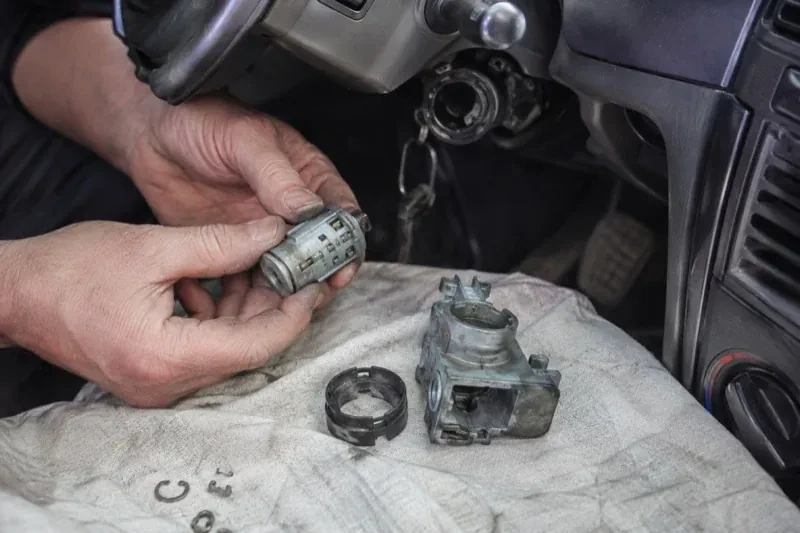
The key turned the engine off in the driveway and now refuses to come back out. Wiggling it, pushing the shifter through every gear again, even leaning gently on the wheel; the barrel keeps holding on to it regardless.
A copy cut at a hardware kiosk turns the ignition on some mornings and skips it on others, occasionally sticking halfway and needing a wiggle that the original key never required.
Sliding doors, side gates, basement walkouts and garage entries are often the paths of least resistance on a house. High security work is not just about the front door; it is about closing the easy routes so the strong door is not simply bypassed.
The house is fifteen years old and every exterior door still wears the light hardware the builder fitted: a short bolt, a thin strike held by two small screws, and a knob lock that never suited a street entrance.
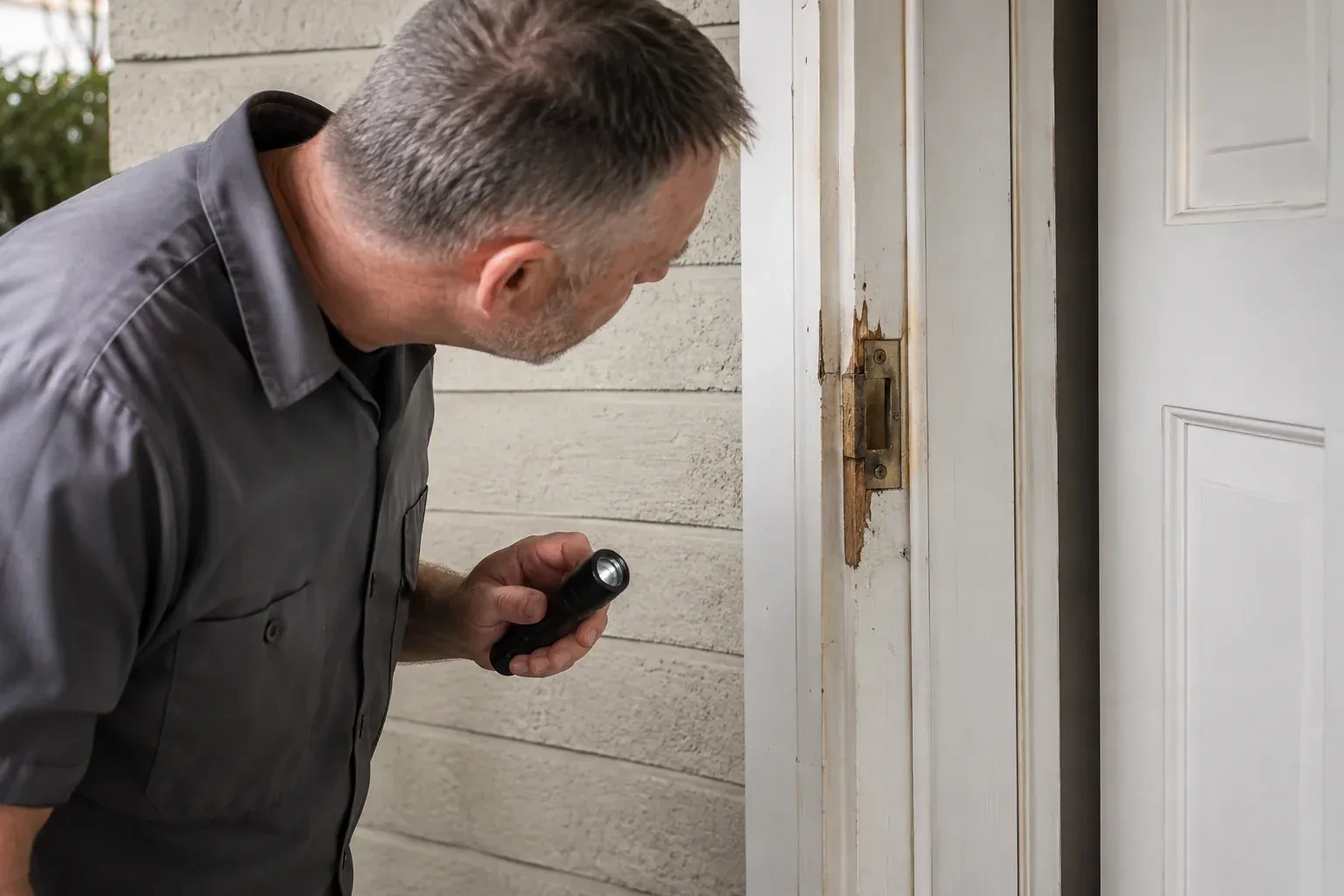
Police have come and gone, the occurrence number is on a sticky note, and you are standing in a cold hallway looking at a splintered frame, wondering how the house gets locked before everyone tries to sleep.
Business owners usually want two things from us: to know exactly who can open which door, and to stop worrying about it. The services here, from rekeying to full access control, are different ways of getting to that point.
WhyIf you rent, losing a key is handled in three steps rather than one.
The house is fifteen years old and every exterior door still wears the light hardware the builder fitted: a short bolt, a thin strike held by two small screws, and a knob lock that never suited a street entrance.
WhyA property that grew its gates one at a time, a shed lock here, a side gate there, tends to end up with a drawer full of keys that only sort of match.
The keypad on the side door has started sticking on cold mornings, codes get shared instead of reset, and half the staff still remember a code you meant to retire two hires ago.
WhyA building already running an intrusion alarm or a camera system gains from an access control installation that speaks to them rather than sitting apart from them: an arm-and-disarm event that lines up with the person who unlocked the door, a camera clip tagged to a specific credential instead of a blank time stamp.
Every fob for the car disappeared at once inside a bag that was never recovered, and the vehicle now sits in the driveway with no way in and no way to start it.
WhyFobs age the way most electronics do: batteries fade, buttons stick, cases crack after years on a keyring.
Since the remote starter was installed last month, the original key has started acting strangely, the car catches on the first turn some mornings and refuses outright on others.
WhyThere are really two separate keys hiding inside one piece of metal and plastic: the cut, which is entirely mechanical and opens doors and turns cylinders, and the code, which is electronic and tells the immobilizer to allow the engine to run.
The key turned the engine off in the driveway and now refuses to come back out.
WhyA key that has snapped off inside the ignition barrel is not the end of the key, or of the barrel.
A copy cut at a hardware kiosk turns the ignition on some mornings and skips it on others, occasionally sticking halfway and needing a wiggle that the original key never required.
WhyWhat is actually possible depends on whether a working key still exists somewhere.
How a visit goes
Describe the property, the hardware and what has changed, and the visit starts from what you have seen.
1
2
3
01
A look inside the keyway
We check how deep the fragment sits and whether the cylinder was already worn or dry. That tells us how to draw the piece out without pushing it further.
02
Drawing the piece out
With extraction tools and patience the broken blade comes out whole. We clean and lubricate the cylinder so the next key goes in smoothly.
03
Cutting a fresh key
A key that snapped was usually tired. We cut a new one from the two halves or from the lock itself, test it and suggest retiring any other worn copies.
Put both halves of the key somewhere safe, note whether the door or vehicle is locked, and leave the keyway alone. If it is bitter cold, keep the storm door closed so the lock is not taking freezing rain. Have identification ready, or vehicle papers for a car. If the door is open, stay near it. That is all; the extraction goes smoother for a lock nobody has poked at.
How long does a whole-house rekey take?
Plan on an hour or two for a typical house with three or four cylinders, including the walk-through, identification, pinning, cutting and testing. Each additional cylinder adds a little, as does swapping a cylinder to bring a mismatched door onto the same key, resetting a homeowner-rekeyable lock or clearing a garage opener. The locksmith gives a realistic window on the phone once the list of doors is known.
Will a new lock fit the holes already in my door?
Usually, yes. Most residential doors are prepared to standard sizes, a 54 millimetre cross bore and a backset of 60 or 70 millimetres, and most modern hardware adjusts between those backsets. The locksmith measures before choosing, so the new lock is matched to the door rather than the other way around. Where an older mortise lock or an unusual bore is found, filler plates, extension kits or a carefully jigged new bore bring the door to standard.
Does this service cover the gate itself, or only the lock?
Both, where the two are connected, which on a gate they usually are. A locksmith working on a gate lock also looks at the hinges, the post and the closer, since a lock rarely fails on its own when the real cause is a sagging gate or a post that has shifted. Work that goes beyond hardware the locksmith carries, such as rebuilding a rotted post or a damaged fence panel, is flagged so it can be handled by whoever normally does that kind of repair.
Can a person's access change automatically by time of day or day of the week?
Yes. Access levels can be set to change automatically by time of day or day of the week, so a credential that opens a door during a shift can be denied outside it without anyone having to remember to switch it off manually. This is set up once in the schedule and then runs on its own from that point forward.
What does testing remote start or passive entry actually involve?
Each function the vehicle offers is tried in person once the fob is registered: trying whatever passive-entry action that vehicle actually needs, approach alone, or a handle touch, grip or button press, pressing the remote start button and confirming the engine turns over, and checking that the vehicle re-locks or shuts down the way it is meant to. Nothing is assumed to work simply because the fob was accepted by the vehicle's memory.
What information should I have ready before this visit?
The vehicle's year, make and model, and its VIN if it is easy to find, let the locksmith arrive with the right blank and chip already in hand. Knowing how many keys currently work, whether any were lost or stolen, and whether the vehicle uses a basic blade or a fob shapes the rest of the visit before a single tool comes out.
Can a key that snapped off inside the ignition be removed without damaging anything?
In most cases, yes. Hooked and spiral extraction tools reach in and draw the broken piece out along the path it entered, rather than pushing it further in. Once it is clear, the cylinder is checked for the wear that likely caused the break in the first place, and a fresh key is cut to replace both broken pieces before the vehicle is handed back to you.
Can a rusted or gritty lock still be opened and given a new key?
In most cases, yes. The lock is cleaned out, its wafers and springs cleared of grit and corrosion, and the mechanism dressed with whatever lubricant its own maker specifies before a new key is cut or tested. Only a lock that has corroded to the point of cracking or seizing solid tends to need outright replacement rather than cleaning, and that is usually visible once the lock is opened up for inspection.
Request a visit
In Hamilton we think about how a door is actually used before choosing hardware. A back door staff prop open needs a different answer than a front door a family uses twice a day. A side entry for a teenager who forgets keys may want a keypad. We ask those questions first, then match the lock to the habit.