Locksmith in Rosedale, OntarioMaster keysfor buildings in Rosedale
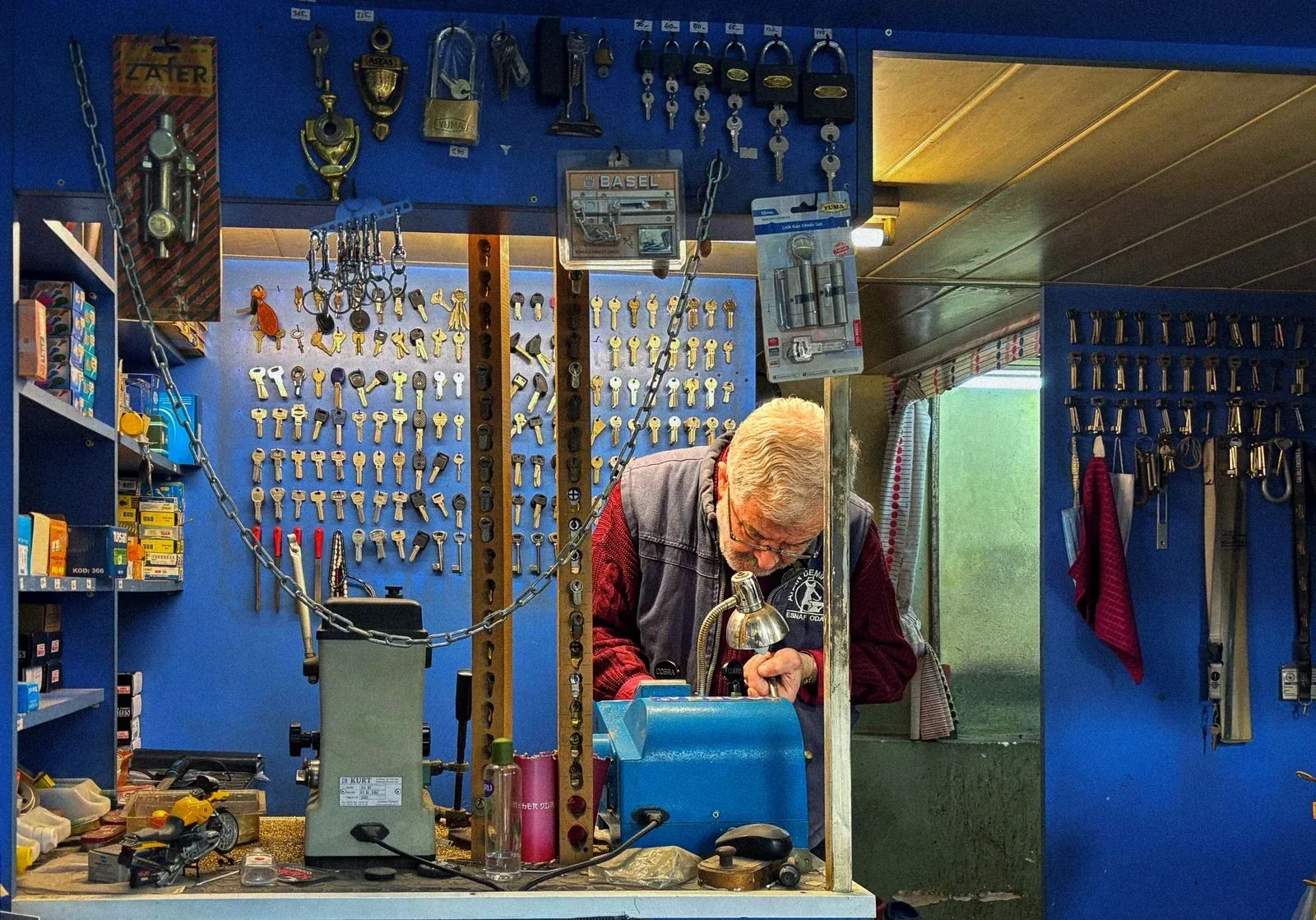
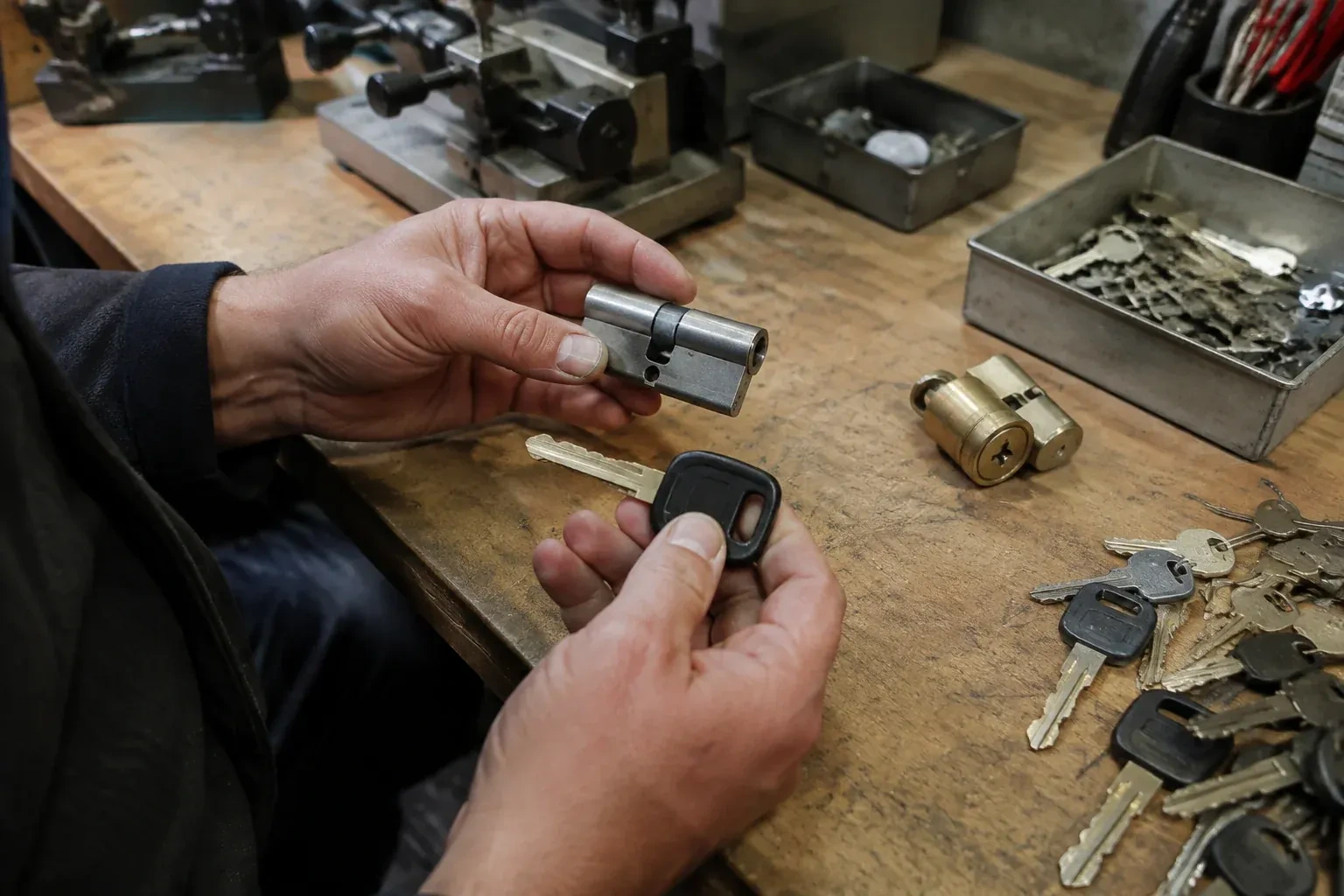
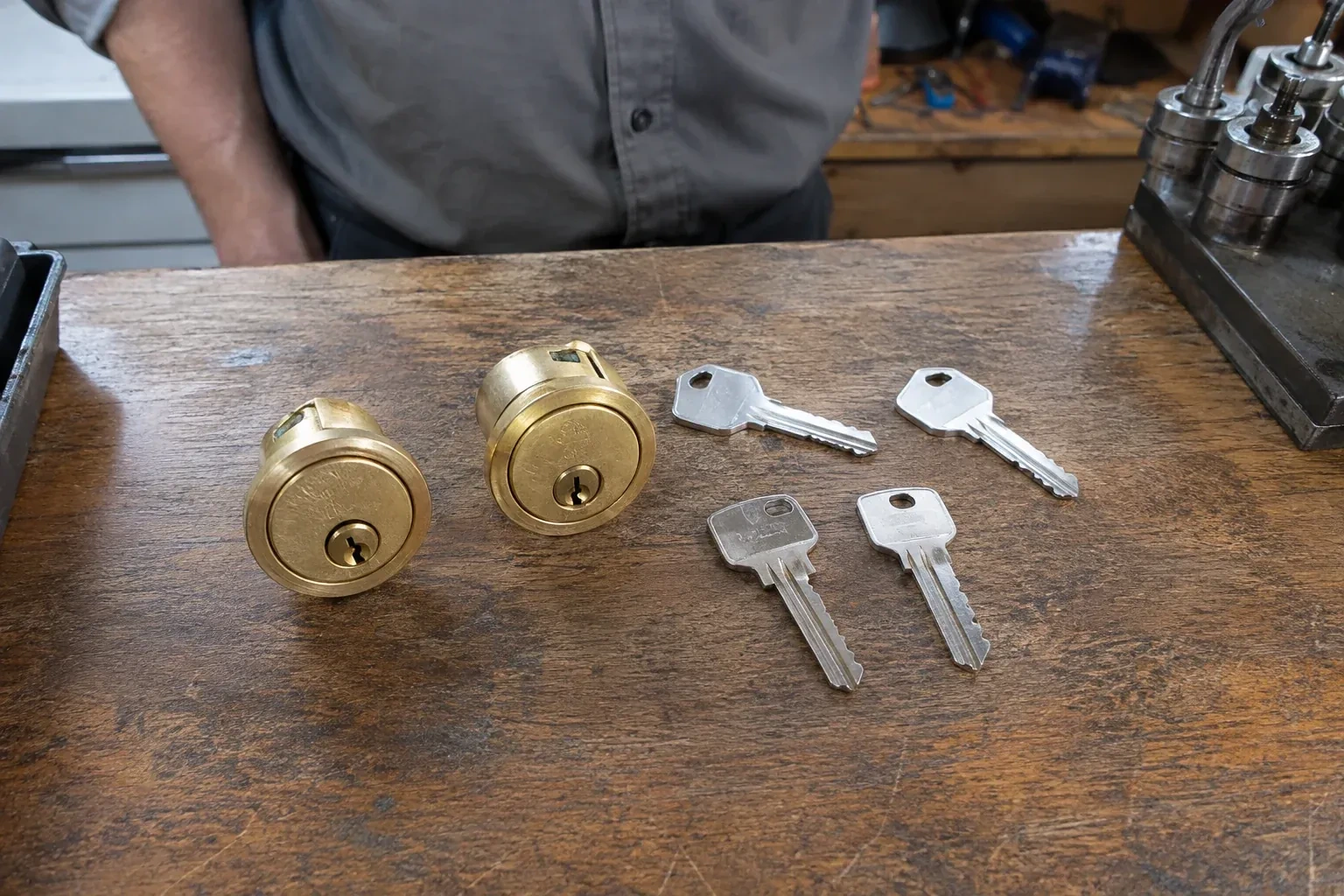
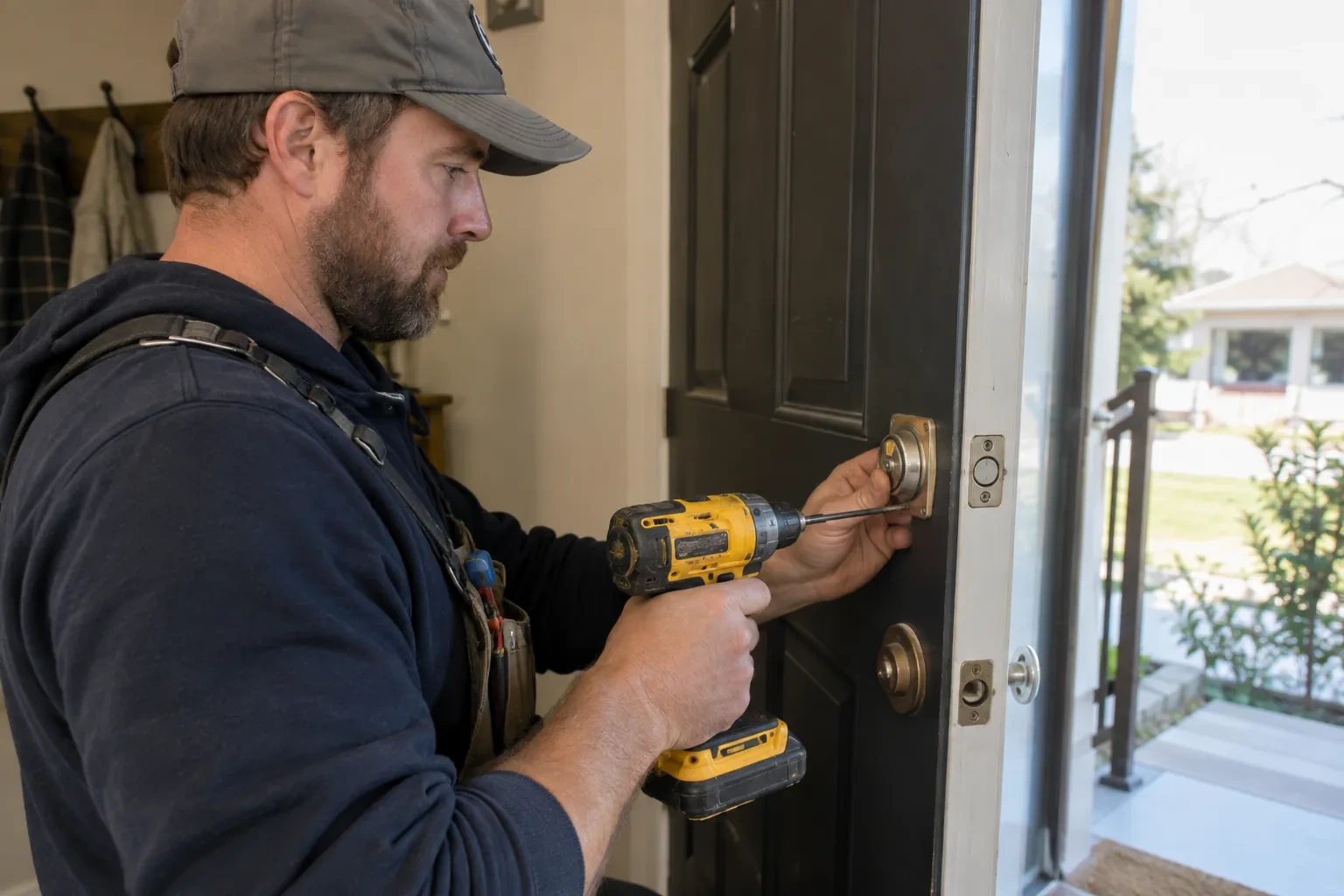
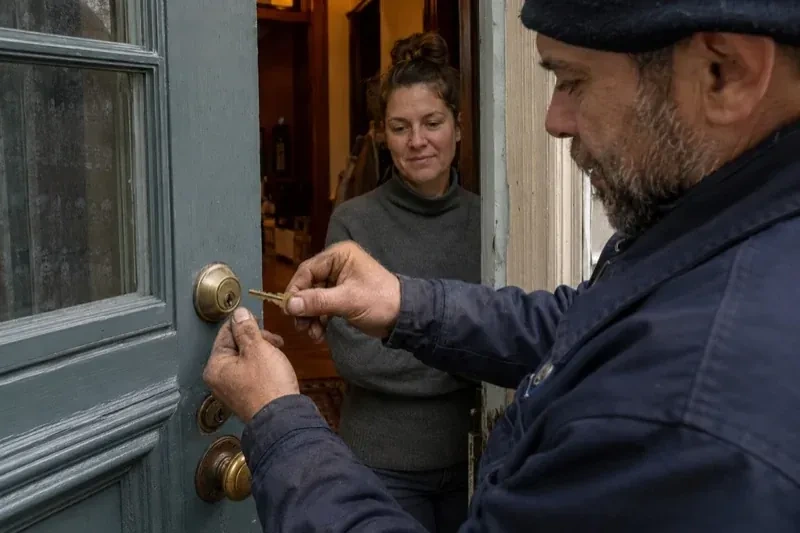
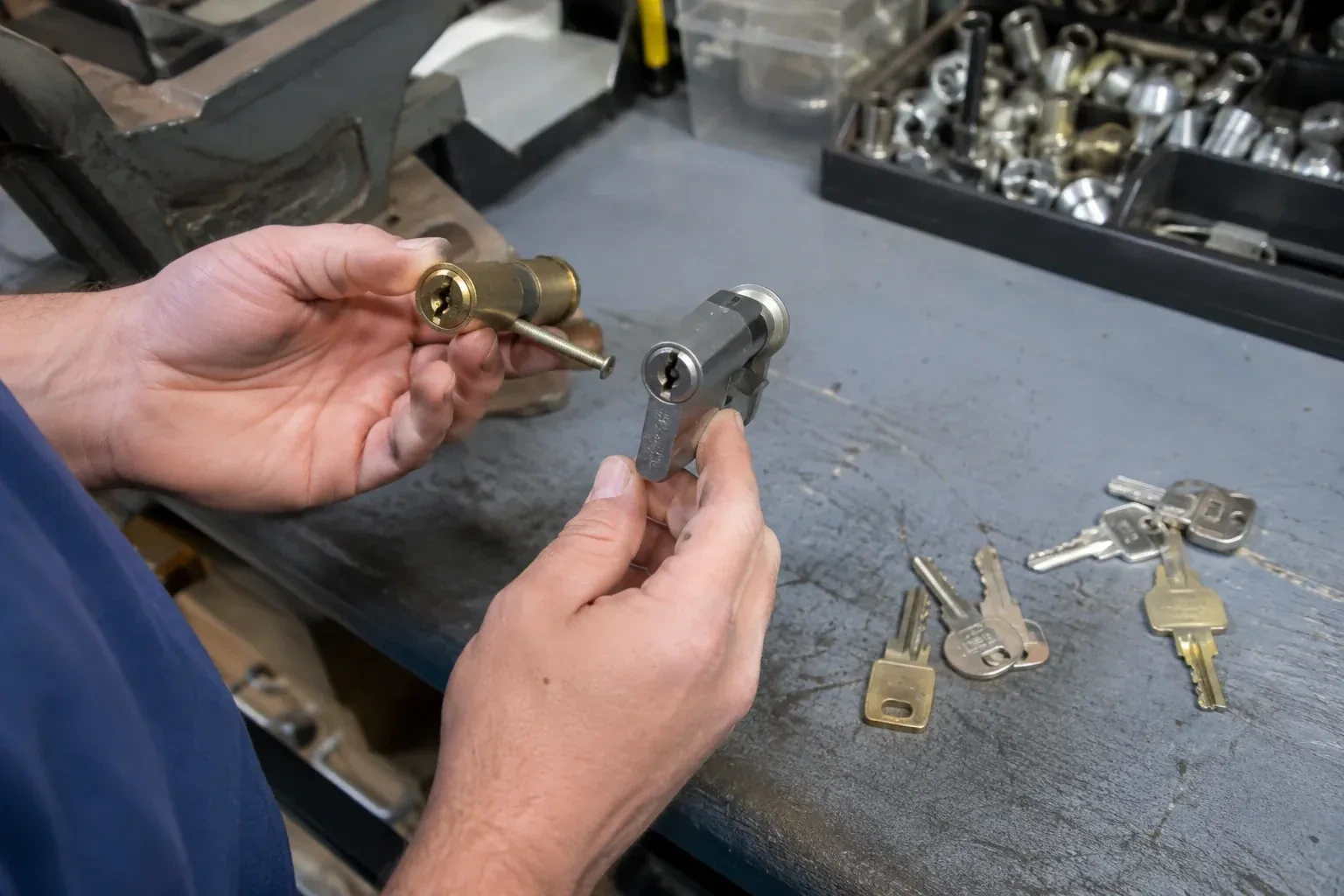
A small apartment building, a clinic with six rooms, a shop with a back office: each in Rosedale benefits from one key that opens everything and individual keys that open only what they should. We design the system, pin the cylinders, and record who holds which key so it stays manageable.
A small apartment building, a clinic with six rooms, a shop with a back office: each in Rosedale benefits from one key that opens everything and individual keys that open only what they should. We design the system, pin the cylinders, and record who holds which key so it stays manageable.
Getting you back inside, gently.
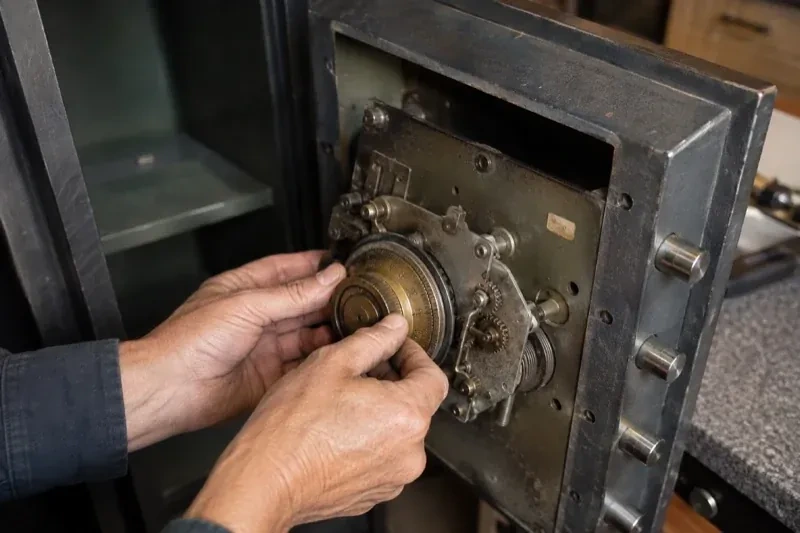
A safe in Rosedale is opened with patience rather than force. The locksmith identifies the make and mechanism, tries the non-destructive routes first, and only cuts when nothing else will work, in a spot that can be repaired so the safe keeps working. Afterwards he resets the combination or replaces the lock and shows you how to keep it turning.
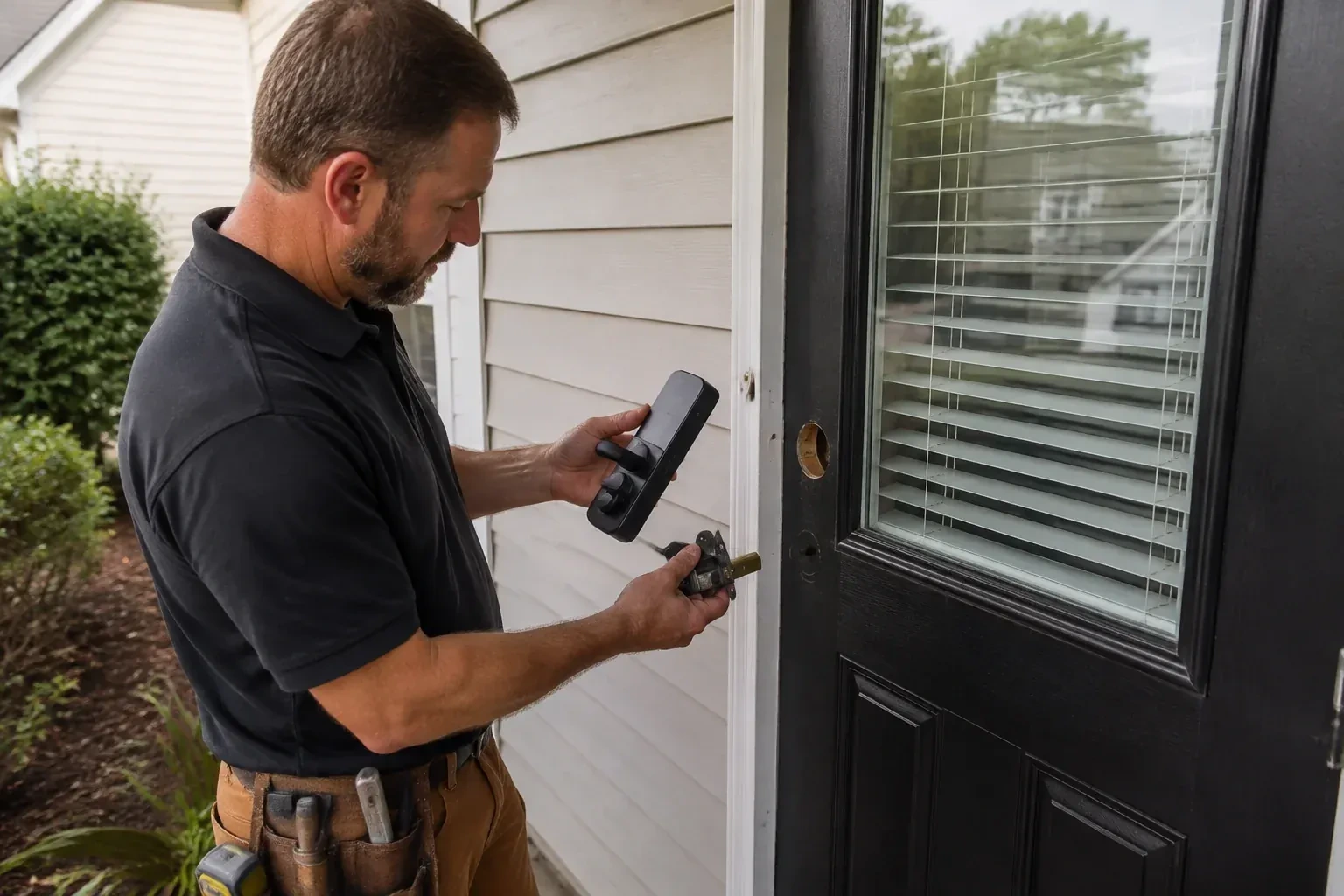
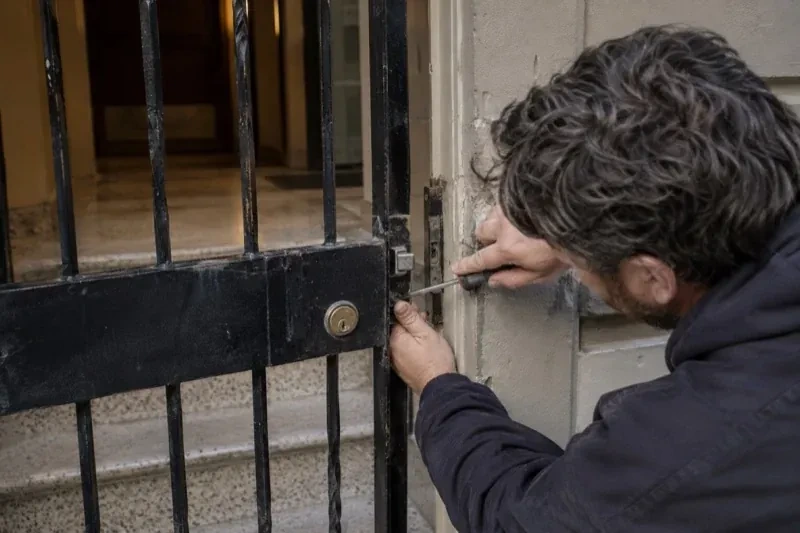
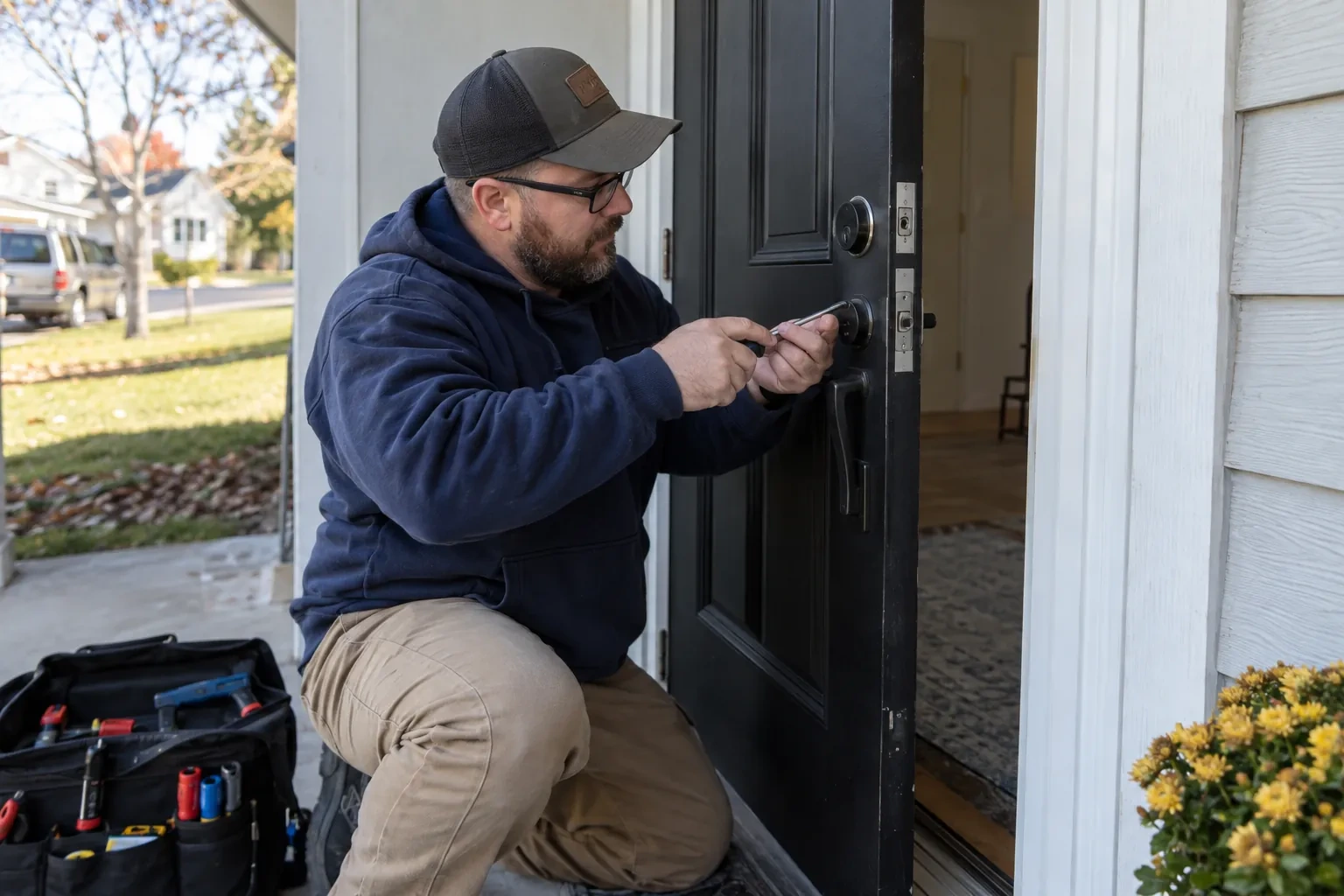
If you are standing outside a locked door in Rosedale, the first thing to know is that this is routine for us. We will ask a few questions, confirm you belong there and choose the gentlest way in. Once you are inside, we can talk about spare keys or a rekey if the set is truly lost. Nothing dramatic, just a door opened properly.
33years in business
24/7open every day
You set the pace. We explain, you decide, we work. If you would rather sleep on a bigger change, we do what is needed now and leave the rest for another visit.
The reasoning behind each suggestion. Every recommendation comes with the reason for it, in language that does not require you to know the trade. Ask why as often as you like.
Order restored. Tools packed, dust cleared, doors closed properly. We leave your home or business looking as it did, with the lock problem gone.
Use this list to find the lock service that fits your situation in Rosedale. Openings for lockouts. Rekeys and lock changes for new owners and departing tenants. Deadbolts and high-security hardware for people who want more from their door. Commercial hardware and master keys for businesses. Safes. Keys of every kind.
About 61% of homes in Hamilton were built in 1980 or earlier, according to the 2021 Census.
Older homes
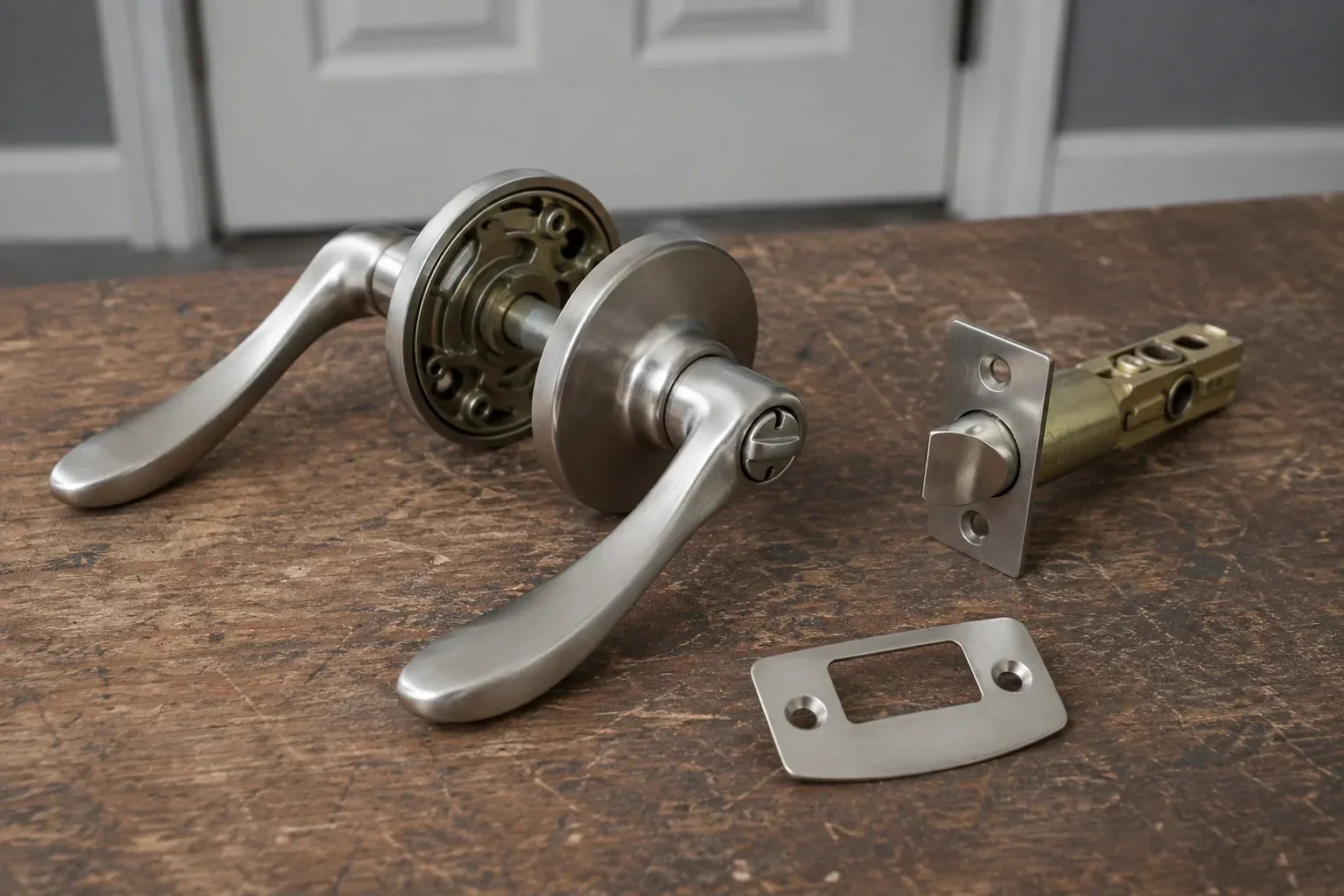
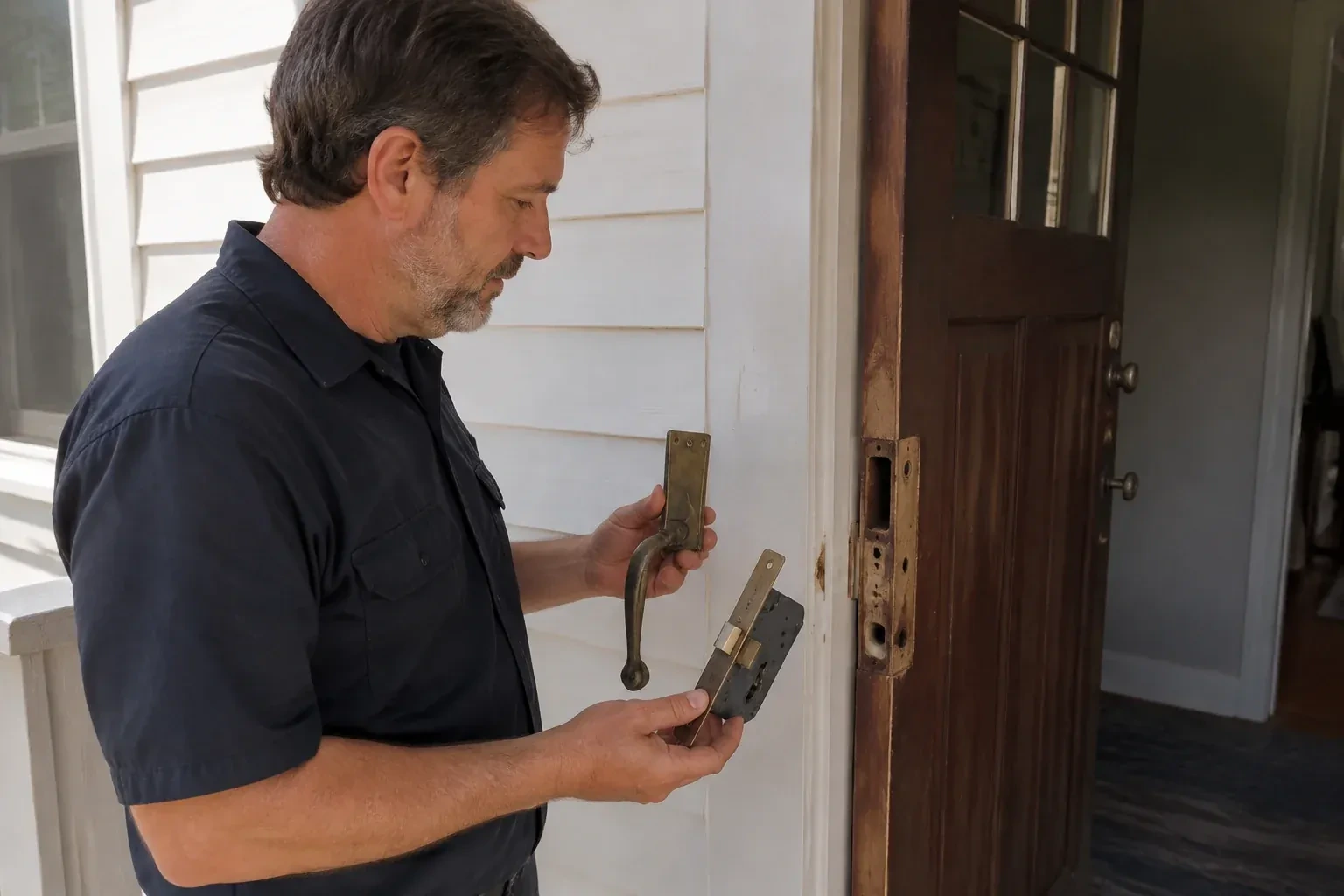
Established homes often have non-standard bores and backsets from an earlier generation of hardware. A locksmith working in such an area carries adapter plates and cylinders in the older sizes, so an upgrade fits the existing door instead of forcing a new one.
Single-detached houses make up about 56% of homes in Hamilton (2021 Census).
In a mixed area, a locksmith's advice bends to the building. For a house, the side door and garage entry get attention. For an apartment, the suite door's closer, strike and viewer do. The principle is the same: look at how the door is actually used.
Sliding doors, side gates, basement walkouts and garage entries are often the paths of least resistance on a house. High security work is not just about the front door; it is about closing the easy routes so the strong door is not simply bypassed.
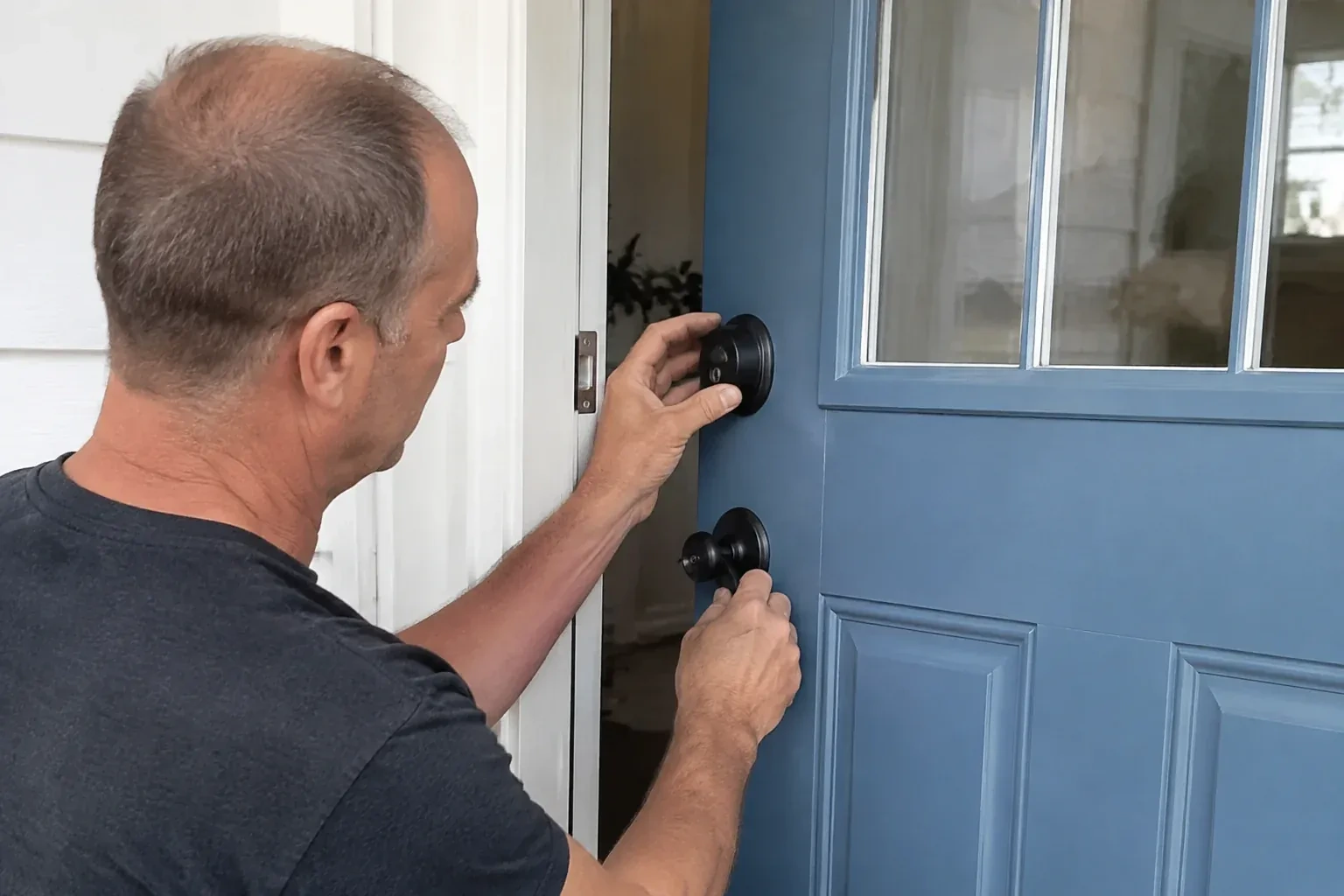
The house is fifteen years old and every exterior door still wears the light hardware the builder fitted: a short bolt, a thin strike held by two small screws, and a knob lock that never suited a street entrance.
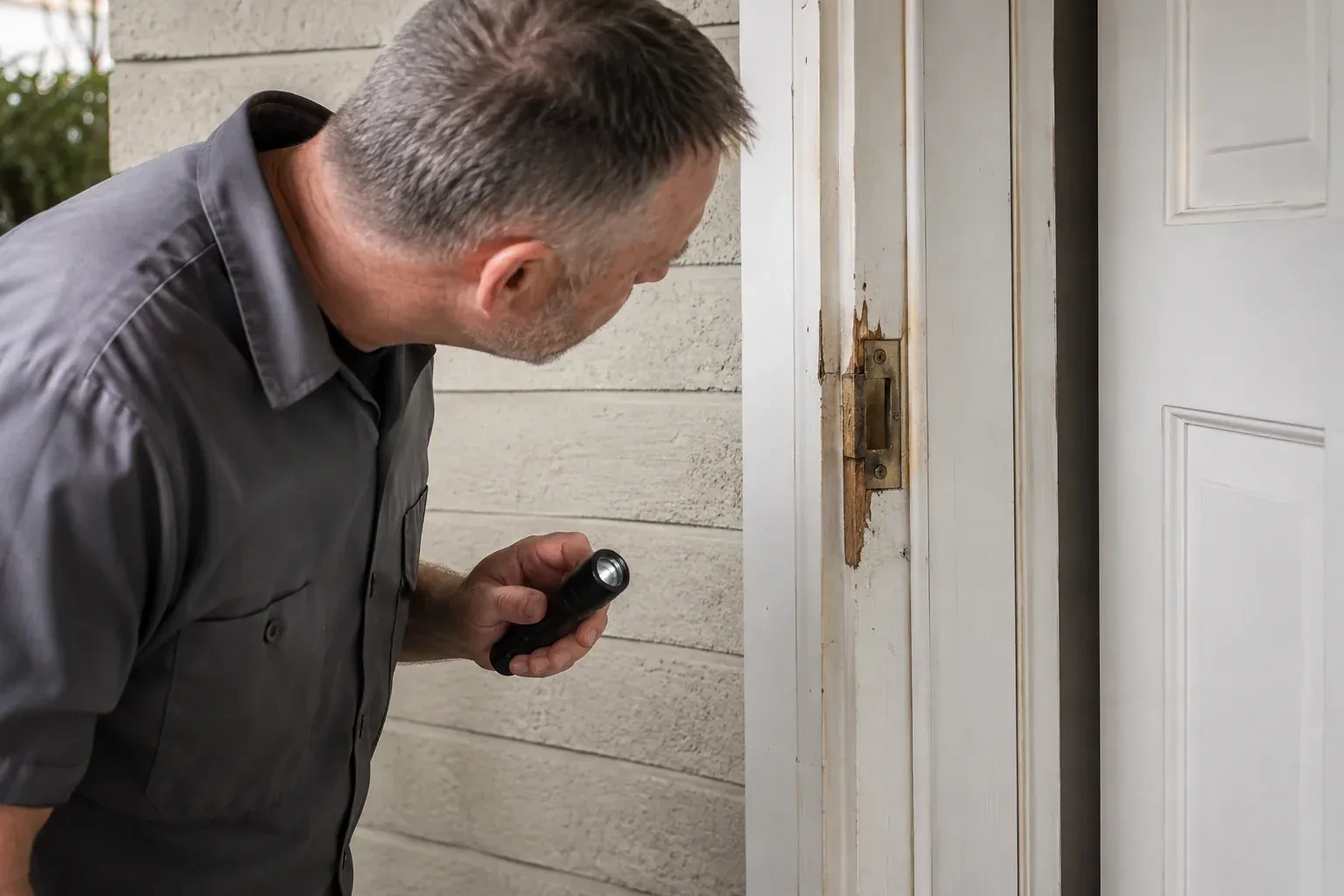
Police have come and gone, the occurrence number is on a sticky note, and you are standing in a cold hallway looking at a splintered frame, wondering how the house gets locked before everyone tries to sleep.
The pharmacy's drop safe has a keypad that finally lost power for good, and the little override key that was supposed to live behind the counter cannot be found anywhere.
The keypad on the office safe blinks a low-battery warning every morning now, and whoever notices it first quietly hopes someone else deals with it before the batteries finally give out mid-week.
Which fix fits?
Minus eighteen with a wind, and the exterior cylinder on the shop door has frozen solid overnight after yesterday's slush.
WhyRekeying and replacing a lock arrive at the same place by different roads.
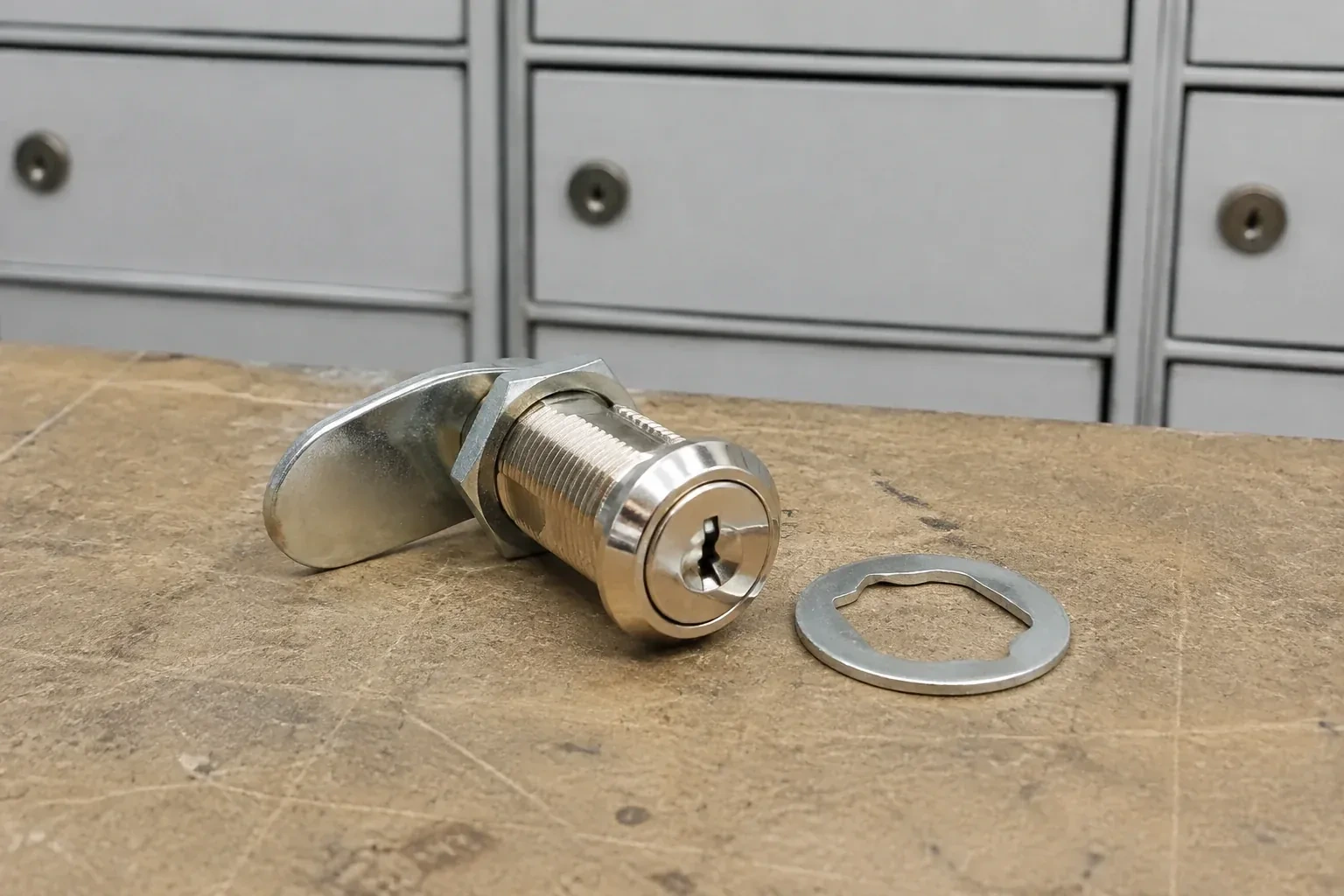
Someone tried to pry the little door on the mailbox open with a screwdriver, and though the mail sitting inside is untouched, the lock now sits crooked in its hole and the key barely catches when it is turned.
WhyMoving into a new place is a common moment for this service, since a mailbox compartment rarely comes with a documented history of who was handed a key.
The restricted keys you bought years ago are no longer restricted; the locksmith mentioned the patent has run out and blanks are sold openly.
WhyA high security cylinder is rated by independent laboratory testing that times how long it holds out against picking, impressioning, drilling, prying and wrenching.
Something went missing from the storeroom over a weekend, and when you ask who was in the building, the honest answer is anyone with a key.
WhyThe installation is not finished when the last door is wired; it is finished once the business can run the system without the locksmith standing there.
Two coworkers share one delivery van and one key between them, trading it at the start and end of every shift in a parking lot.
WhyMost vehicles on the road pair a cut metal blade with an invisible electronic layer, a chip in the head that the immobilizer checks before the engine is allowed to start.
Buttons on the fob still light up and the remote still clicks, but the vehicle refuses to start even with the fob sitting in the cupholder.
WhyVehicle Lock Repair addresses a single locking point, a door, the trunk or hatch, or a storage compartment, that has stopped behaving like the rest of the vehicle.
How a visit goes
Describe the property, the hardware and what has changed, and the visit starts from what you have seen.
1
2
3
01
A look inside the keyway
We check how deep the fragment sits and whether the cylinder was already worn or dry. That tells us how to draw the piece out without pushing it further.
02
Drawing the piece out
With extraction tools and patience the broken blade comes out whole. We clean and lubricate the cylinder so the next key goes in smoothly.
03
Cutting a fresh key
A key that snapped was usually tired. We cut a new one from the two halves or from the lock itself, test it and suggest retiring any other worn copies.
Good days. Start with a turn.
1/9Business Lockout Service
Minus eighteen with a wind, and the exterior cylinder on the shop door has frozen solid overnight after yesterday's slush. The key goes in halfway and stops. The delivery driver is due, the phone is ringing inside, and nobody can reach it.
Your purse was taken from the back of a chair at a restaurant. The cards can be cancelled by phone tonight, but the house keys were in the side pocket beside a driver's licence that shows exactly where those keys fit.
Someone tried to pry the little door on the mailbox open with a screwdriver, and though the mail sitting inside is untouched, the lock now sits crooked in its hole and the key barely catches when it is turned.
The restricted keys you bought years ago are no longer restricted; the locksmith mentioned the patent has run out and blanks are sold openly. Your key control quietly stopped being control.
Something went missing from the storeroom over a weekend, and when you ask who was in the building, the honest answer is anyone with a key. There is no list, no time stamp, no way to narrow it down.
Two coworkers share one delivery van and one key between them, trading it at the start and end of every shift in a parking lot. A missed handoff leaves someone standing beside a locked van with nowhere else to be.
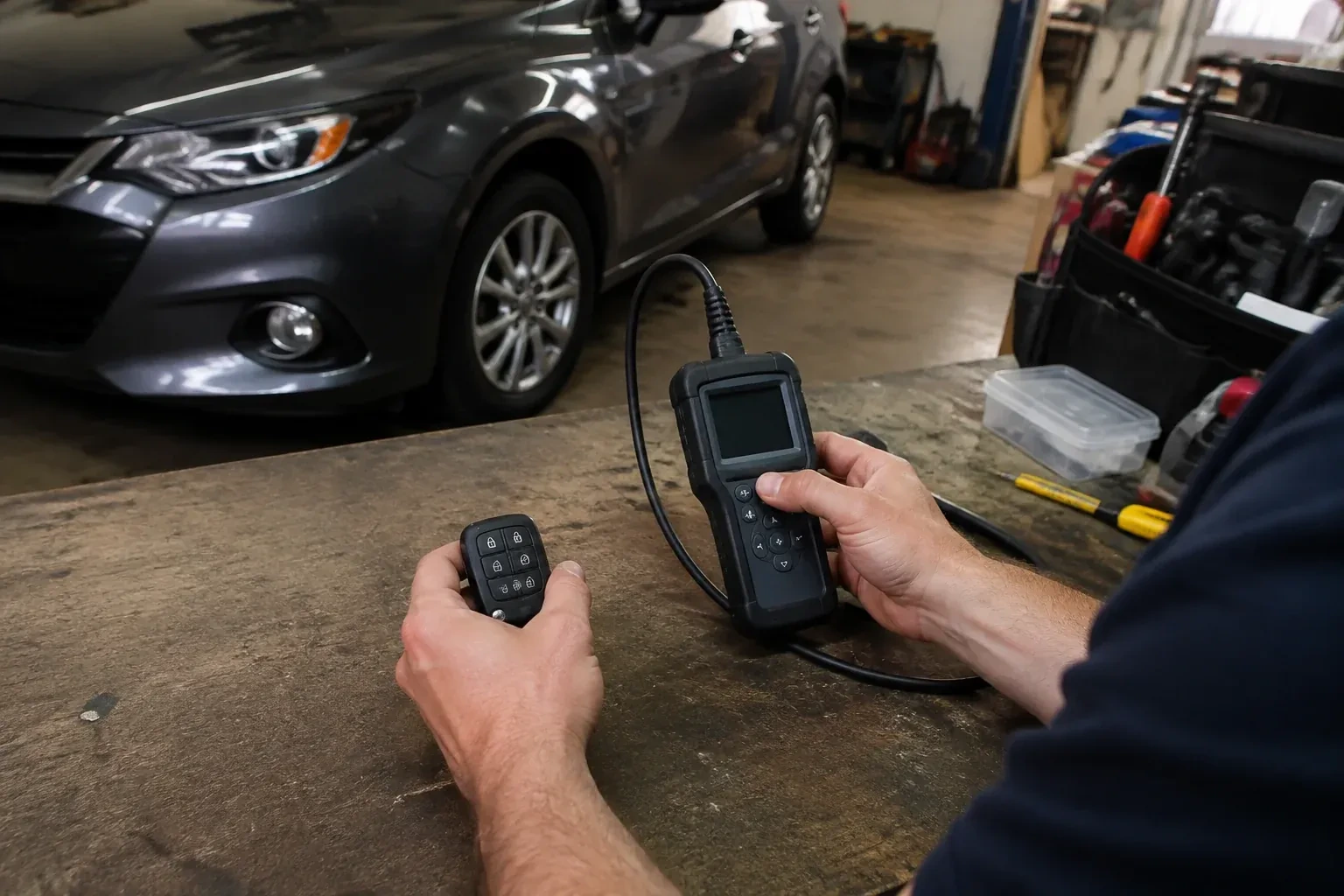
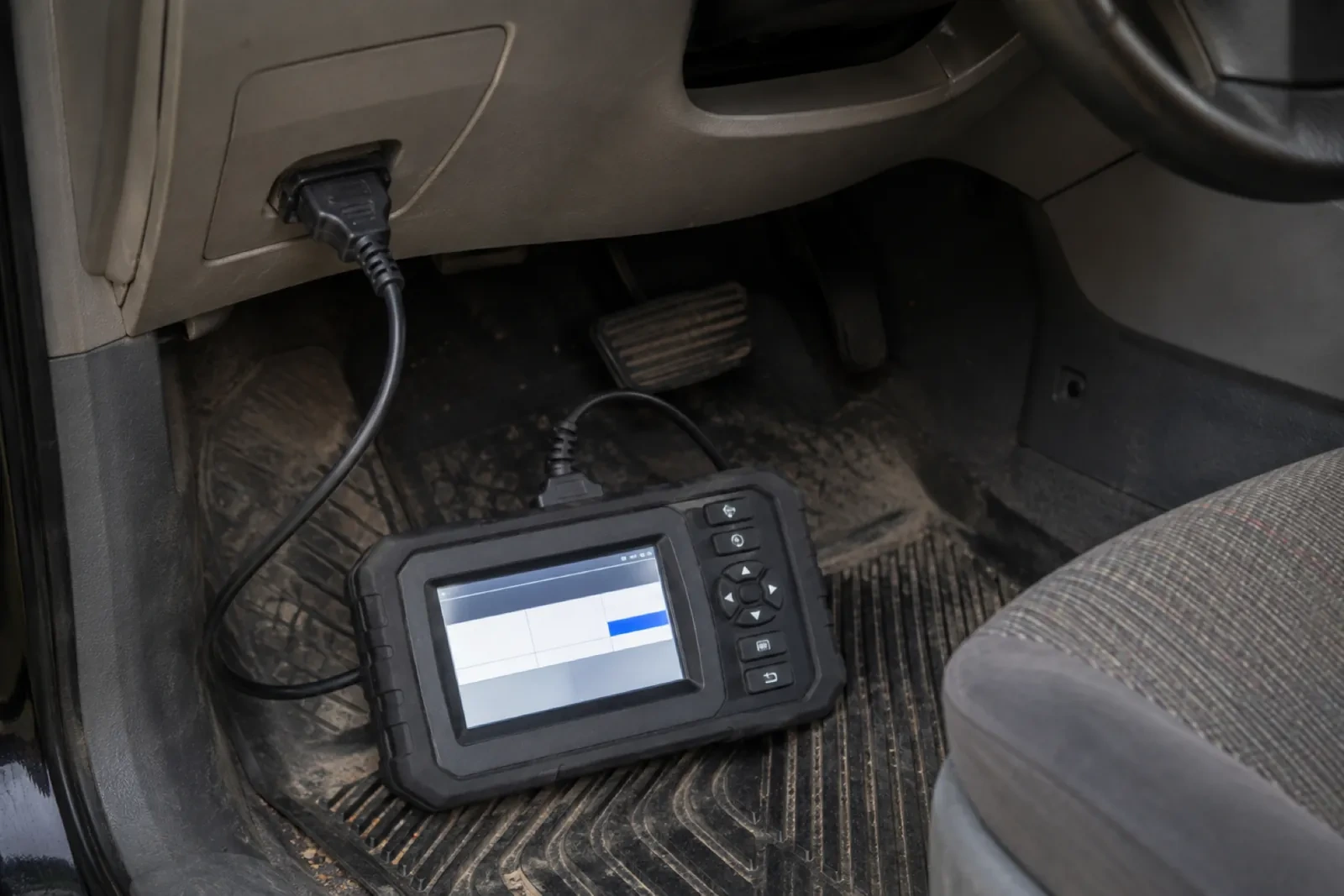
Buttons on the fob still light up and the remote still clicks, but the vehicle refuses to start even with the fob sitting in the cupholder. The mechanical blade turns the door without trouble; something further inside the dashboard has stopped recognizing the fob's signal.
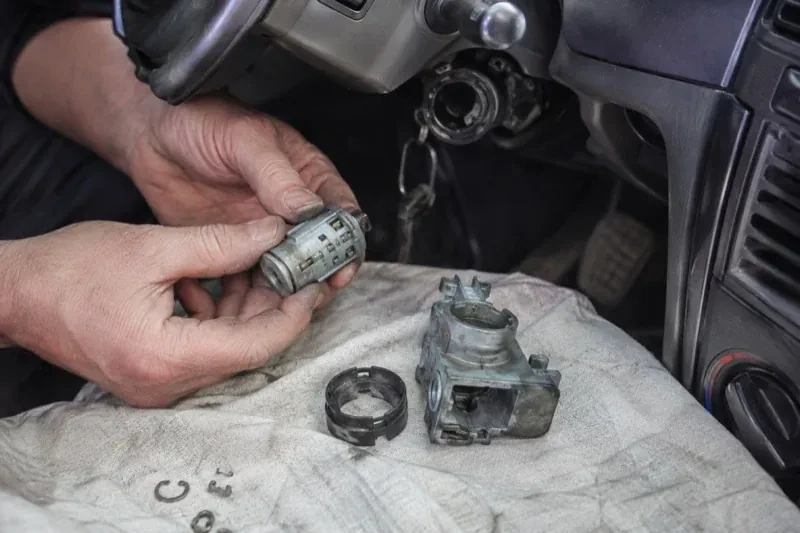
The new key from the hardware counter fits the door but stops halfway into the ignition slot, no matter how it is angled or how gently it is pushed. A worn original key opened this same slot without trouble for years.
You line the key up with the trunk lock, turn it, and feel nothing catch. It spins freely, over and over, never lifting the latch, while every other lock on the car still locks and unlocks the way it always has.
How many keys should a business have, and who should hold them?
Fewer than most businesses think, and every one of them named. Two people who can open, one of whom can be reached on a day off, cover the door. Cleaners and contractors get a key only if they need one and hand it back when the arrangement ends. Write down who has what, collect keys when people leave, and rekey when one does not come back. Interior keys for the cash office or stockroom follow the same rule on a shorter list.
How long does a whole-house rekey take?
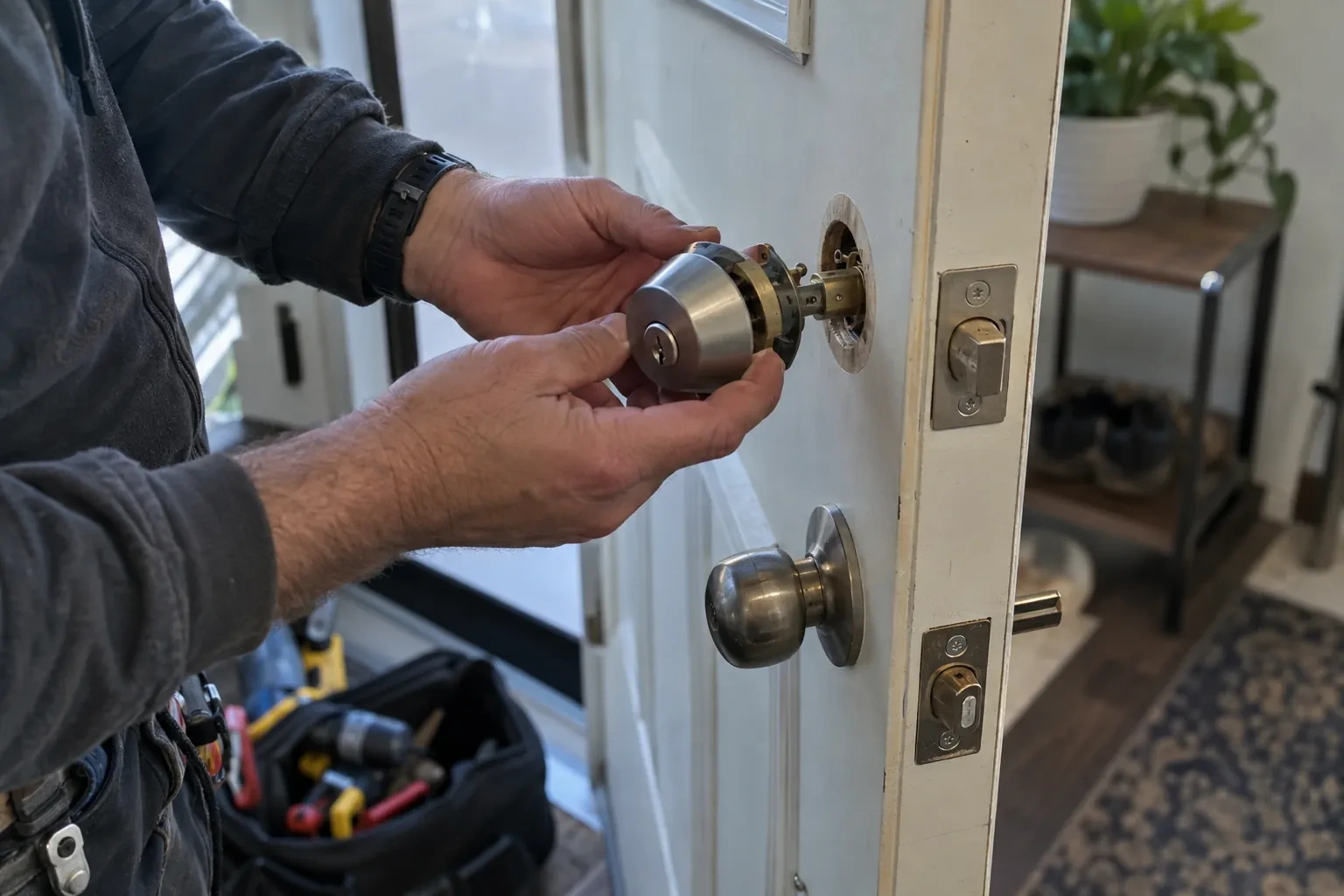
Plan on an hour or two for a typical house with three or four cylinders, including the walk-through, identification, pinning, cutting and testing. Each additional cylinder adds a little, as does swapping a cylinder to bring a mismatched door onto the same key, resetting a homeowner-rekeyable lock or clearing a garage opener. The locksmith gives a realistic window on the phone once the list of doors is known.
How do I know what brand or type of lock is on my mailbox?
You generally do not need to; identifying the hardware is part of the visit. The locksmith reads the maker's mark on the lock face, measures the cylinder and cam, and checks the hole pattern in the compartment door, which together point to a matching replacement even when the original brand is no longer sold.
What about the glass panel next to my front door?
A sidelight within reach of the inside thumb-turn is the weak point of an otherwise strong door, since a broken pane lets a hand reach the turn. Options include moving the deadbolt further from the glass, a lock function that needs a key inside as well, or a laminated pane. Because everyone must still be able to leave easily, the locksmith talks through the trade-offs and helps you pick the arrangement that suits your household.
Can a person's access change automatically by time of day or day of the week?
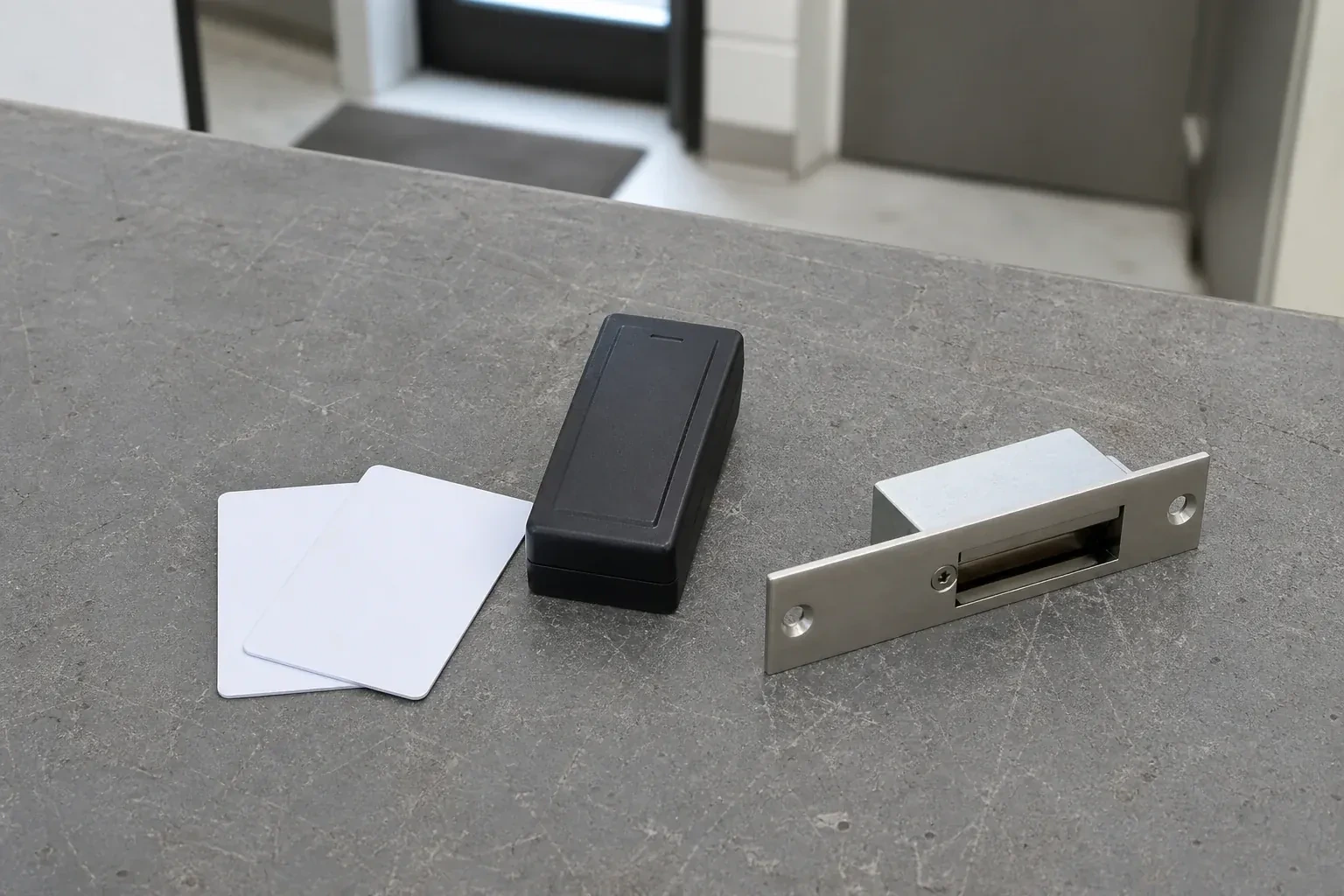
Yes. Access levels can be set to change automatically by time of day or day of the week, so a credential that opens a door during a shift can be denied outside it without anyone having to remember to switch it off manually. This is set up once in the schedule and then runs on its own from that point forward.
Can one key work for two vehicles?
Sometimes, when both vehicles share a compatible lock family and immobilizer system, most often two vehicles from the same manufacturer and a similar era. Sharing a keyway is not enough on its own: the two locks also need a bitting that satisfies both, or one vehicle's cylinders get rekeyed to match, and the transponder has to be capable of authorization on both immobilizers. Where they do not line up, the practical answer is two separate keys carried together on one ring.
What does testing remote start or passive entry actually involve?
Each function the vehicle offers is tried in person once the fob is registered: trying whatever passive-entry action that vehicle actually needs, approach alone, or a handle touch, grip or button press, pressing the remote start button and confirming the engine turns over, and checking that the vehicle re-locks or shuts down the way it is meant to. Nothing is assumed to work simply because the fob was accepted by the vehicle's memory.
Can a key that snapped off inside the ignition be removed without damaging anything?
In most cases, yes. Hooked and spiral extraction tools reach in and draw the broken piece out along the path it entered, rather than pushing it further in. Once it is clear, the cylinder is checked for the wear that likely caused the break in the first place, and a fresh key is cut to replace both broken pieces before the vehicle is handed back to you.
How many keys or fobs will I leave with if mine gets replaced?
That depends on what you ask for. Most owners keep the original plus one spare, cut or paired at the same visit and tested in every lock on the vehicle so the household has a working backup from the start.
Request a visit
A safe in Rosedale is opened with patience rather than force. The locksmith identifies the make and mechanism, tries the non-destructive routes first, and only cuts when nothing else will work, in a spot that can be repaired so the safe keeps working. Afterwards he resets the combination or replaces the lock and shows you how to keep it turning.