Lockouts · Binbrook
Broken Key Extraction in Binbrook
You were locking up on the way out when the key broke in the lock.
In plain words
Keys break for a reason, and finding that reason is half the visit. A brass key wears thinnest at its deepest cut, and after years of turning it fatigues there until a cold morning or a stiff bolt finishes it. Sometimes the lock is the culprit: grit in the keyway, a loose cap, worn pins, or a door that has dropped so the bolt binds and the key takes the strain. The extraction removes the piece; the inspection that follows tells you whether the lock needs a clean and lubricant, an adjustment, or a new cylinder, so it does not happen again next month.
How the visit goesThe key went in like any other morning, you turned it, and something gave with a small metallic click. The bow is still between your fingers. The rest of the blade is sitting inside the deadbolt, and the door is locked.
Broken Key Extraction
How the visit goes
What has already been tried
Before choosing a tool the locksmith asks what has gone into the keyway since the break. Tweezers often push a fragment deeper; a screwdriver tip can bend pins; a drop of glue on the other half bonds to nothing useful and leaves a film that has to be dissolved before extractors will slide. A second key jammed on top of the first is a common find. None of this is anything to be embarrassed about; it just changes the plan, and knowing about it in advance means the right solvent, a plug follower or a spare cylinder is in the van before work starts.
When the piece is standing proud
A fragment that shows above the cylinder face looks like the easy case, and it is, provided nobody pushes on it. The locksmith grips it with fine-jawed extractor pliers or needle-point tweezers made for the purpose, steadies the cylinder with the other hand, and pulls straight out along the line of the keyway. If it resists, the plug is checked for rest position rather than the pull being increased, because a piece forced against lifted pins can bend them. A trace of dry lubricant at the keyway entrance eases a tight fit. The piece comes out whole, and the lock is ready to test.
Your car key, rebuilt rather than replaced
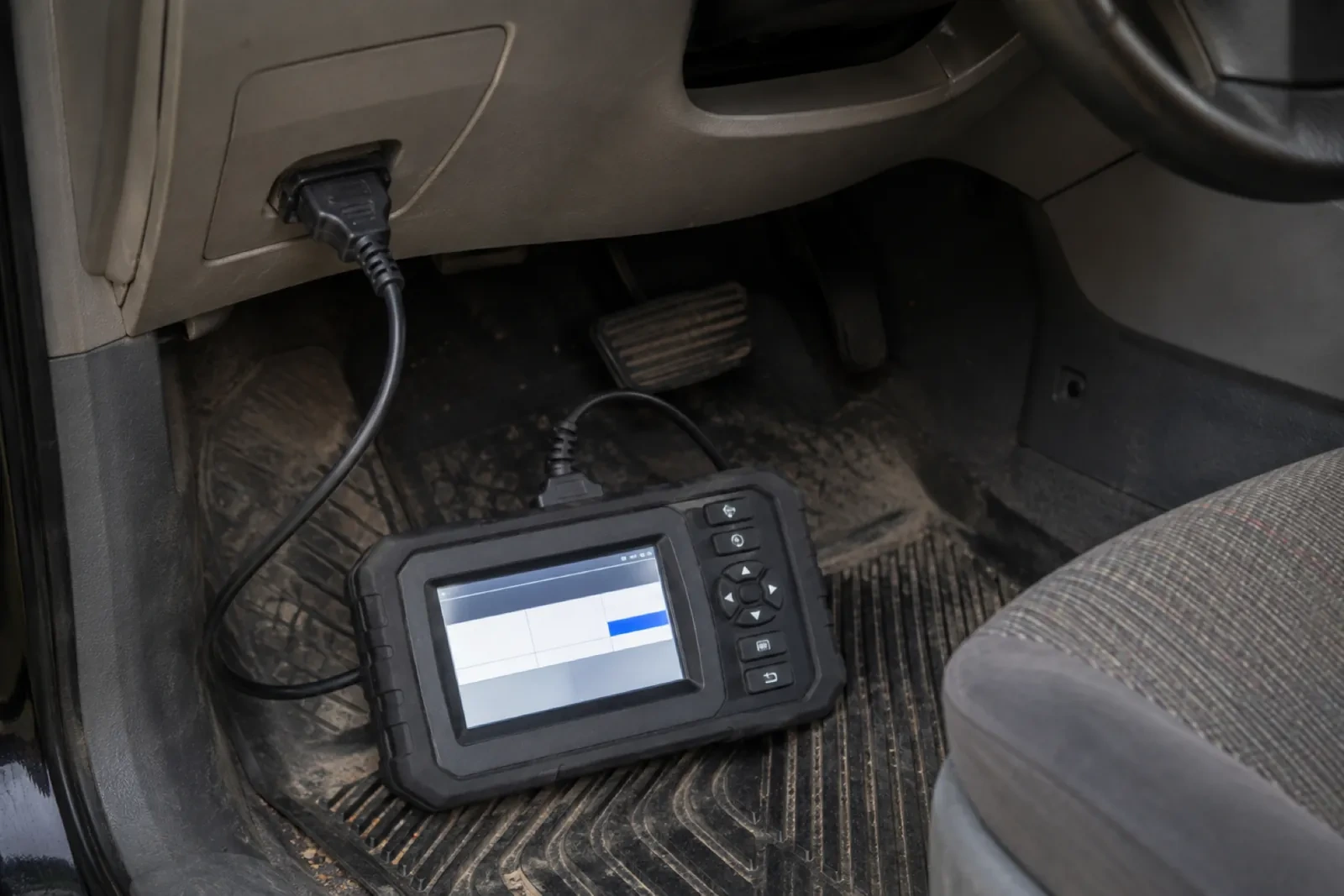
For a vehicle, the head of the key that carries the transponder chip and remote buttons has usually been saved, and a new blade cut and fitted to it, so the car recognizes the key as it always did. The door lock and ignition have been tested with it, and the ignition wafers checked for damage from the break. It is a good moment to have a second complete key made, since a car with one key is a car one snap away from a tow. Lightening the key ring so it does not hang on the ignition adds years to both key and cylinder.
Broken Key Extraction
In the van
Key gauge and decoder
Compressed air for the keyway
Manufacturer-approved cylinder lubricant
Tension tool for resetting the plug
Key blanks and code cutter
Broken Key Extraction
What affects the quote
Weather on the day
A cylinder that is frozen or iced has to be thawed and dried before extraction can begin, so a call during a deep freeze carries that patient extra time.
How deep the fragment sits
A piece standing above the cylinder face is the simplest case. One flush with the face or deep behind the pins takes longer, finer work with hooks and spirals, and the quote reflects that.
Anything added since the break
Glue, a second key or marks from a screwdriver mean clearing and sometimes repair before extraction can start, and that added time is named in the quote.
What to have ready
- Is any part of the key still visible above the face of the lock?
- Did the key turn part of the way before it snapped?
- Do you still have the other half of the key?
Broken Key Extraction: questions
QuestionsMy key has a chip in it. Does that survive the break?
Usually yes. The transponder chip and the remote electronics live in the plastic head, and the head is the part that stays in your hand when the blade snaps. Once the blade is extracted, a new blade of the right profile is cut and fitted to the old head, so the vehicle continues to recognize the chip without reprogramming. Only a cracked or soaked head needs the electronics moved to a new shell.
What should I do while I wait for the locksmith?
Put both halves of the key somewhere safe, note whether the door or vehicle is locked, and leave the keyway alone. If it is bitter cold, keep the storm door closed so the lock is not taking freezing rain. Have identification ready, or vehicle papers for a car. If the door is open, stay near it. That is all; the extraction goes smoother for a lock nobody has poked at.
Can a new key be made from the two broken halves?
Usually. Laid end to end, the halves show the full set of cuts and identify the blank, and a locksmith reads them with a gauge and cuts a fresh key to those depths on a code machine. That is better than tracing the broken blade on a duplicator, because a worn key copied is a worn key repeated. If a spare or the key code exists, that is used instead.
Related services
- Business Lockout ServiceA cook stepped into the alley with the recycling and the rear door swung shut behind him.
- Break-In Damage Lock RepairPolice have come and gone, the occurrence number is on a sticky note, and you are standing in a cold hallway looking at a splintered frame, wondering how the house gets locked before everyone tries to sleep.
- Seized & Jammed Lock OpeningThe key slides all the way in, exactly as it has for years, and then refuses to turn in either direction.