Change or rekey · Hamilton
Mailbox Lock Replacement
The mail slot on the shop's exterior wall has a small compartment lock that a former employee still has a key to, months after they left.
In plain words
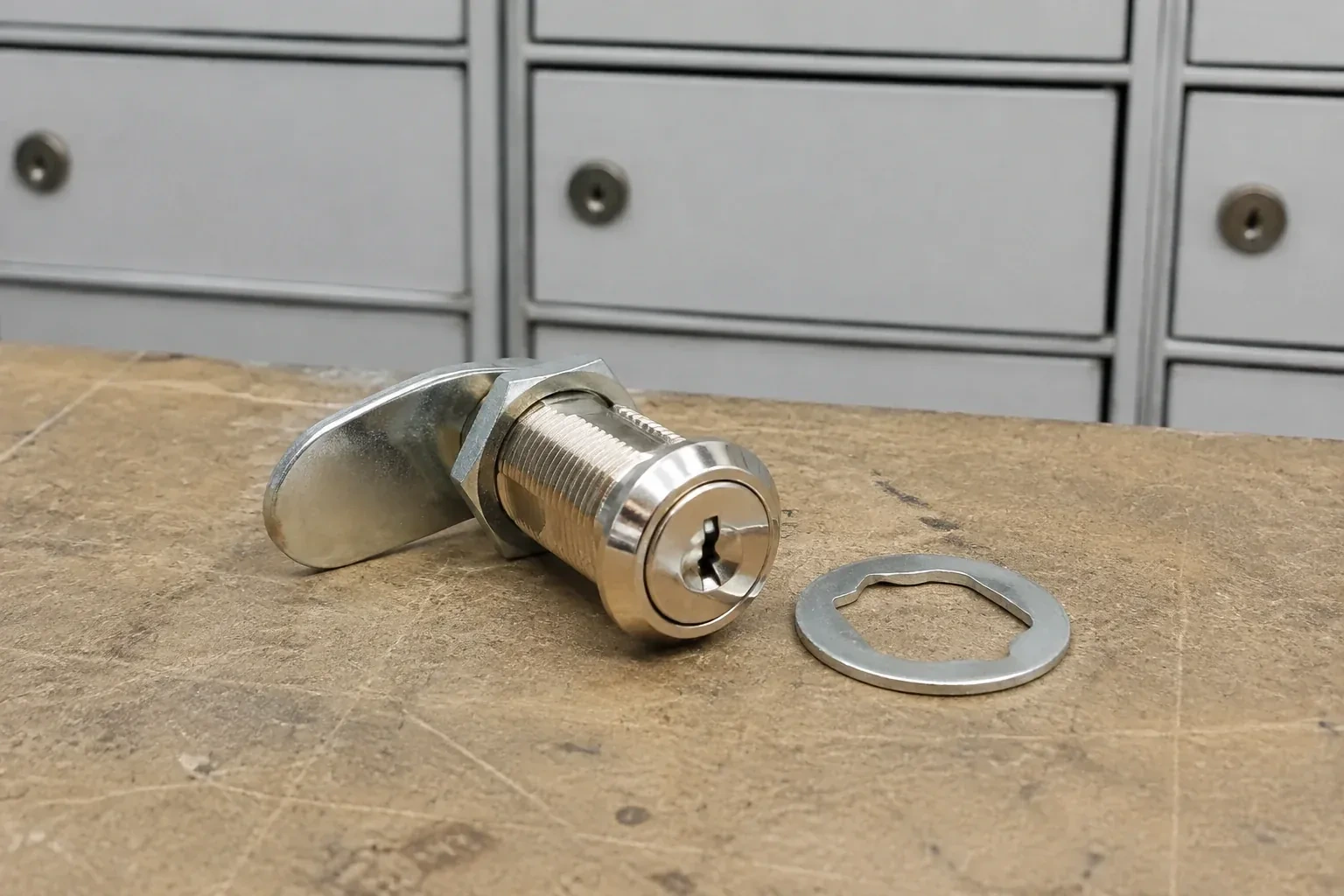
When the real concern is who else might hold a key, replacement settles it at the root. The old cylinder comes out, a new one goes in with a cam cut to match the compartment door, and two fresh keys are handed over on the spot. Whatever key was floating around before, lost, borrowed, or left behind by someone who moved out, stops working the moment the new lock is seated and tested.
How the visit goesThe little brass key for your curbside mailbox was on the same ring as the one you lost at the gym last week. The lock itself is fine, but whoever finds that ring now has a way into your mail as well.
Mailbox Lock Replacement
How the visit goes
What became of the old key
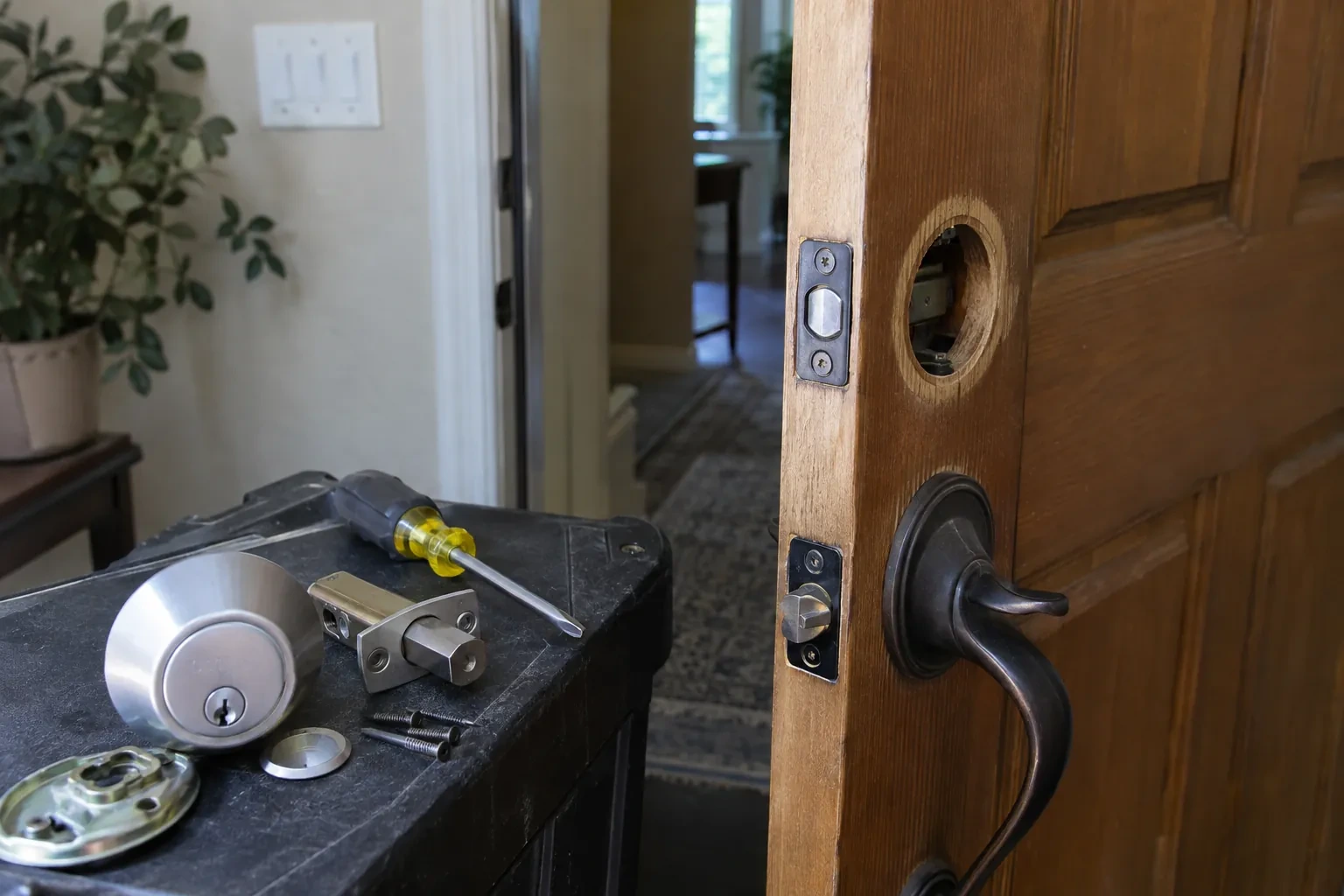
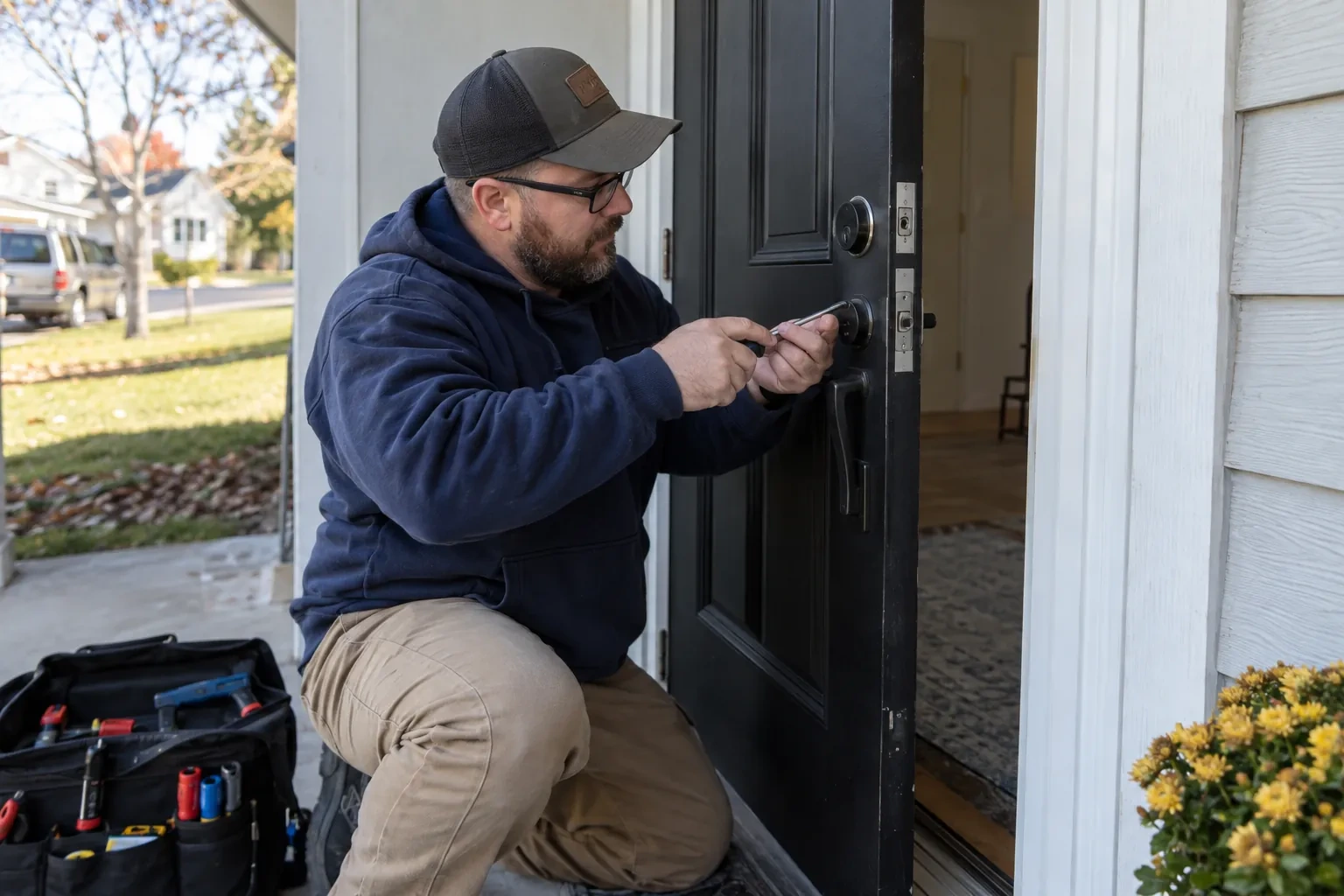
The history of the missing or failing key shapes how the visit proceeds. A key still at home but simply worn down is a routine swap. A key lost out in the world, taken by someone who used to live there, or never handed over at a move-in changes the urgency, since a stranger may still be holding something that opens the compartment. A snapped key adds a short extraction step before the old lock comes out. Every version starts with the same honest question: where did the key actually go?
Cutting and testing new keys
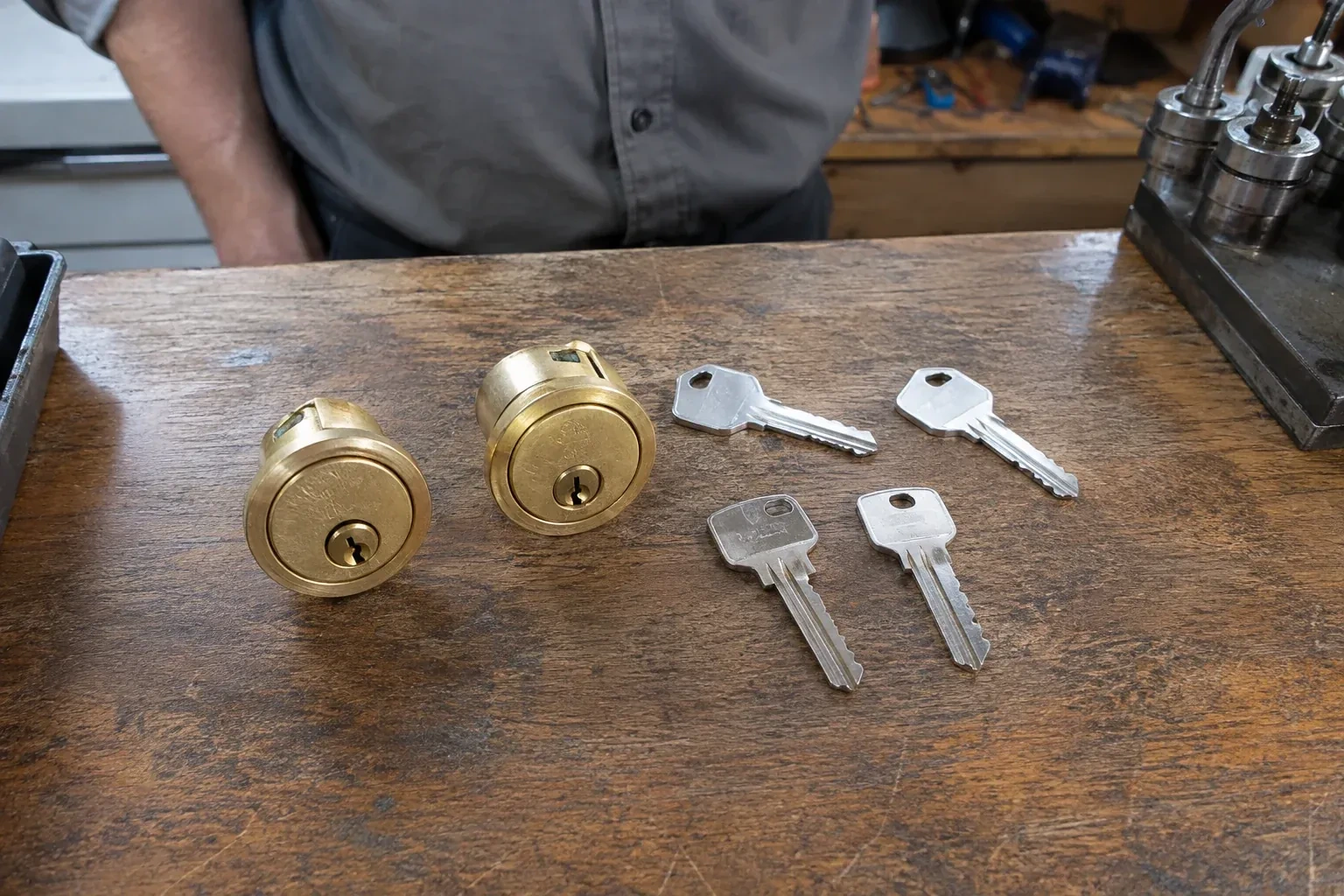
Two keys are cut from blanks that match the new cylinder's keyway, using a key cutter rather than copying a worn original, so both keys operate crisply from the first use. Each one is tested in the lock directly, opening and closing the compartment door a few times, before either key leaves the locksmith's hand. If the household wants extra copies for a second adult or a family member picking up mail, those are cut and tested during the same visit rather than left for a hardware store later.
If the whole panel was done together
When several compartments were changed in one visit, each resident walks away with their own working keys rather than a shared set, and the property manager holds a simple list matching compartment number to resident and key count. Neighbouring doors that were not part of the request were left exactly as they were, so nobody on the panel notices a change except the households whose locks were actually swapped that day.
Mailbox Lock Replacement
In the van
Replacement compartment hinge
Cam lock cylinder
Key cutter or duplicator
Drill and drilling guide
Key blanks
Mailbox Lock Replacement
What affects the quote
Access to the compartment
A ground-floor mailbox or a lobby panel with easy entry is straightforward to reach. A building requiring a call to reception, an escort, or a separate access arrangement adds a step before work can start.
Residential or commercial setting
A house or apartment mailbox and a business mail slot use similar hardware, but a commercial compartment sometimes involves additional decision-makers or a different schedule for access.
Type and brand of mailbox
A standalone curbside box, a house door's built-in slot, and a compartment in a large building panel use different hardware, and some brands are easier to source matching replacement cylinders for than others.
What to have ready
- Is the current key lost, snapped, broken, or simply worn out?
- Is the lock stiff, frozen, or hard to turn right now?
- Do you know the mailbox's brand or where it was purchased?
Mailbox Lock Replacement: questions
QuestionsCan a business's mail slot lock be replaced the same way?
Yes, a commercial mail slot or parcel compartment uses much the same small cam or wafer lock as a residential mailbox, and the same measuring and fitting process applies. Employee turnover is a common reason a business chooses to replace rather than simply live with an uncertain number of old keys still in circulation.
How do I know what brand or type of lock is on my mailbox?
You generally do not need to; identifying the hardware is part of the visit. The locksmith reads the maker's mark on the lock face, measures the cylinder and cam, and checks the hole pattern in the compartment door, which together point to a matching replacement even when the original brand is no longer sold.
Does road salt or winter weather affect these small locks?
It does. Outdoor cam locks sit exposed to spray, salt, and repeated freezing all winter, which corrodes the small internal parts faster than indoor hardware and can leave a keyway gritty or a cylinder stiff well before it actually fails. Whatever lubricant that cylinder's own maker specifies, used once or twice a year, helps a replacement lock last through more winters.
Related services
- Deadbolt InstallationSomeone tried the door last winter.
- Lock Replacement & UpgradeThe house is fifteen years old and every exterior door still wears the light hardware the builder fitted: a short bolt, a thin strike held by two small screws, and a knob lock that never suited a street entrance.
- Vintage Mortise Lock ServiceSomeone painted the door years ago without removing the hardware.