Commercial · Bartonville
Commercial Rekeying in Bartonville
The manager's key ring went missing somewhere between the bank and the car, and the master on it opened every door in the building.
In plain words
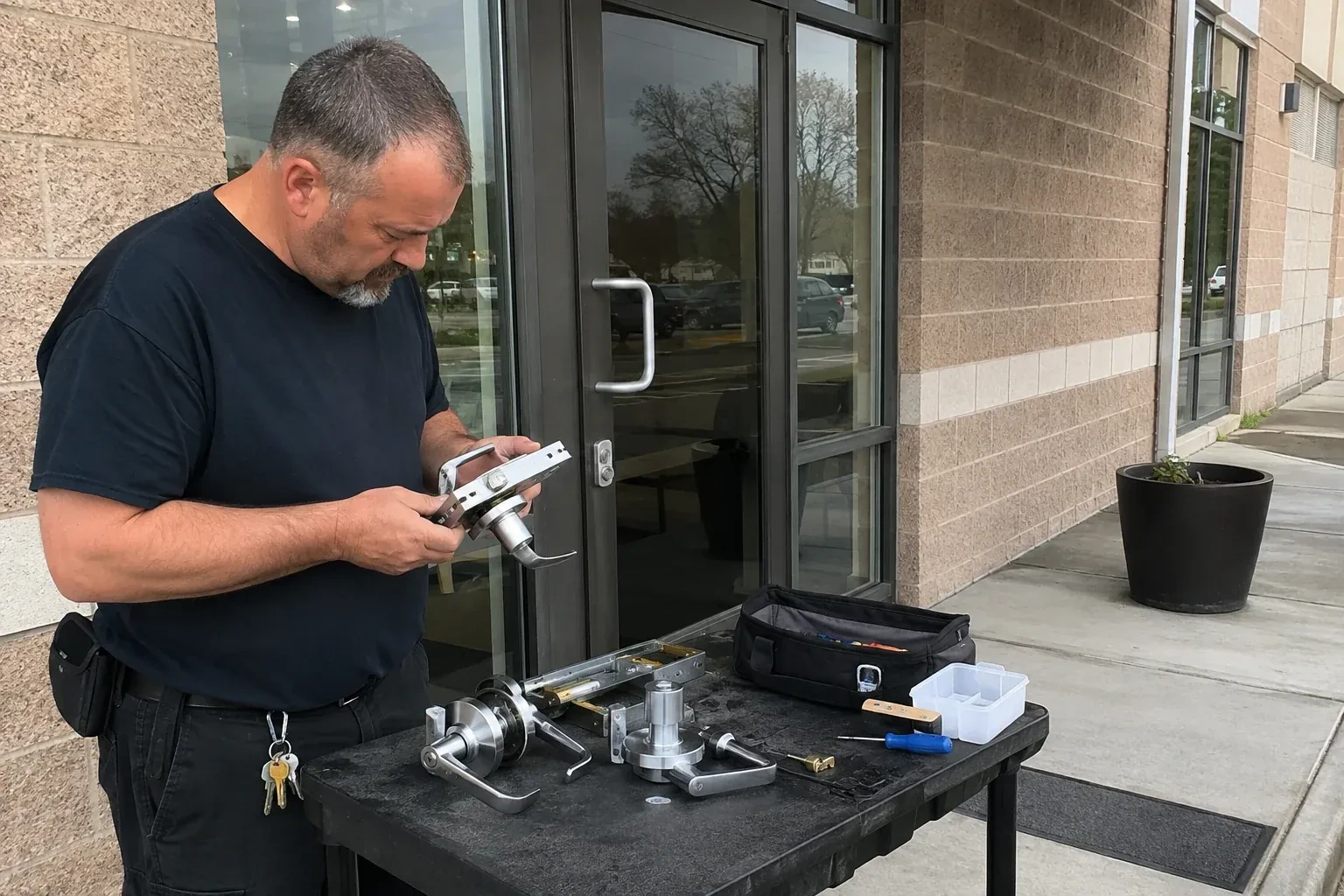
A commercial rekey is planned around the trading day. The locksmith agrees a window, often after close or before opening, and works door by door so the premises is never left without a locking entrance. Cylinders come out, are repinned at a bench in the van or on a counter, and go back in; interchangeable cores are simply swapped for freshly combinated ones. Each door is tried with both new and old keys before the next is started. New keys go to whoever opens up in the morning, and a written chart of doors and key groups stays with the manager.
How the visit goesA break-in overnight took the cash float and a staff member's bag with her work keys inside it. The glass is being replaced this morning, but the key that opened the door yesterday will still open it tonight unless the cylinders are changed.
Commercial Rekeying
How the visit goes
Reading the keys that already exist
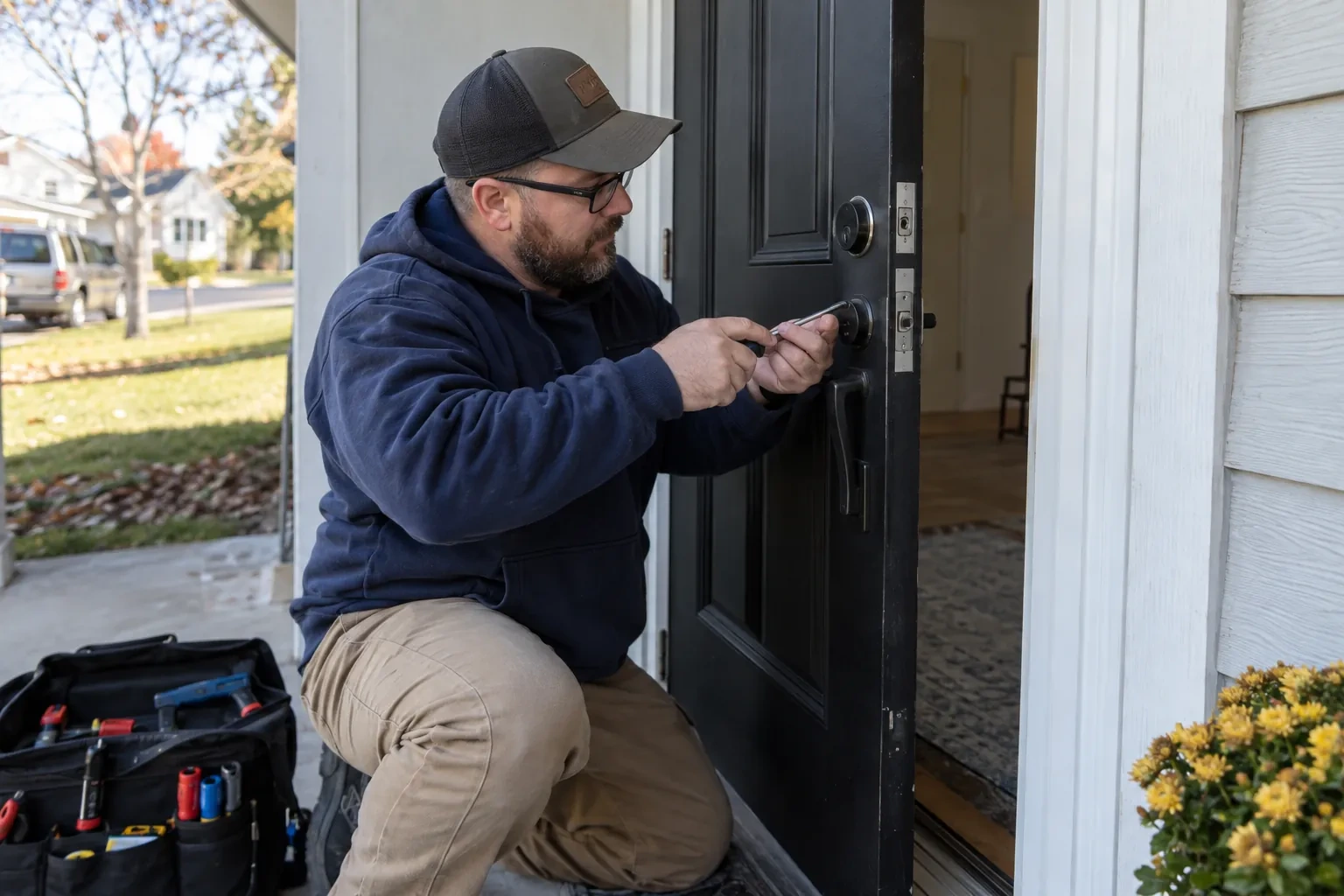
Before deciding anything new, it helps to understand the old. Gather every key the business can find, including the ones with faded tape labels, and the locksmith reads them against the cylinders on the walk. Some will turn out to be duplicates of each other, some will belong to hardware that was replaced years ago, and some may operate doors nobody expected them to. Hardware-store copies stand out by their blanks and by the way they wear. This reading shows how far the key count has drifted and whether an old master still exists, and it lets the new plan retire everything found in the drawer rather than only the keys anyone remembered.
Pinning the master and change keys
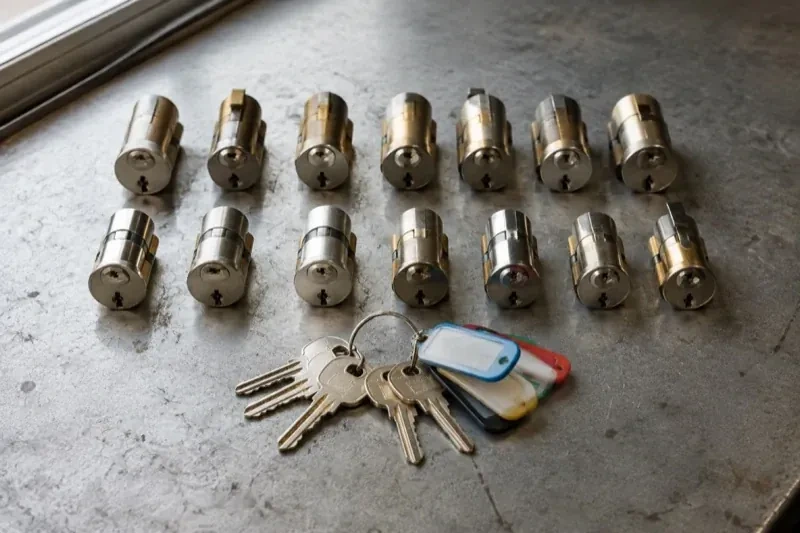
When the plan includes a master, each cylinder is pinned to accept two keys: its own change key and the master above it. Thin master pins sit in the pin stacks so the plug can turn at both the change key's height and the master's; master keying can also create extra, unintended combinations, so the locksmith charts the system to keep those from lining up with someone else's key, and the manager's key opens its whole group and nothing beyond it. A well-built system leaves unused combinations in reserve, so when the business adds a door or a department next year the new cylinder joins the plan without disturbing the keys already in people's pockets.
Storefront hardware ready for the salt
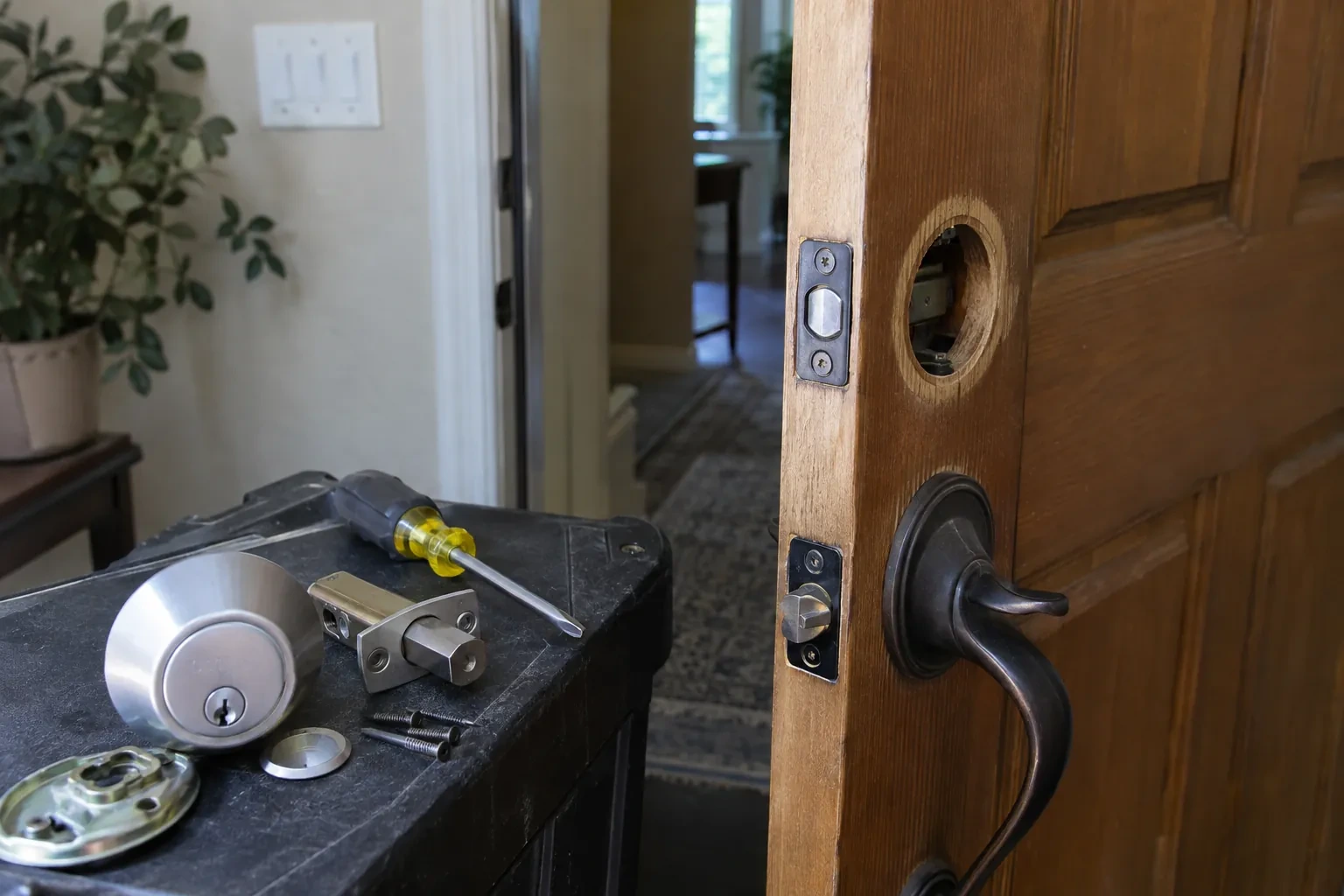
Cylinders on a street-facing door live a hard life: slush, salt spray from the sidewalk plough and a dozen freeze-thaw swings a winter. Each cylinder handled during the rekey is cleaned and dressed with the lubricant approved for that model, a dry graphite, PTFE or specified liquid lubricant applied sparingly, since too much graphite can gum a cylinder just as oil traps grit. Keep it that way with a puff of the same lubricant each autumn and a wipe of the key before it goes in on a slushy morning. A set screw snugged, a cam aligned and a bolt that throws fully are part of the handover, so the rekeyed door also locks more cleanly than it did before.
Commercial Rekeying
In the van
Master pins
Rekeyable padlocks
Commercial pin kit
Key gauge and decoder
Plug follower
Commercial Rekeying
What affects the quote
Landlord and base-building coordination
Suite doors that must accept both your key and the landlord's master, or work that needs the property manager on site, add coordination the quote allows for.
After-hours or split visits
Work done after closing, before opening or split across two visits to suit trading hours costs the same amount as a single daytime block. The exact figure is confirmed on site once the number of cylinders and the keying plan are known.
Interchangeable cores versus repinning
Cores swapped with a control key are the shortest work on site, while cylinders that must come apart on a bench take longer. Supplying spare cores for the manager to hold is priced as its own line.
What to have ready
- Which staff need to open which doors on a normal day?
- When is the premises quiet or empty enough for the work?
- Do you have a current list of who holds keys?
Commercial Rekeying: questions
QuestionsWe are a landlord with a tenant leaving. When should the unit be rekeyed?
Between tenants is the ideal moment: the departing tenant has handed back their keys, the new one has not yet received any, and the unit is empty for the work. The incoming tenant then starts on keys nobody else has held, and the landlord's own master or emergency key is set up at the same time. Where a lease has ended in dispute, the locksmith asks to see the paperwork before changing locks on a unit that still holds a tenant's goods.
What do you do with the old keys?
They are gathered, tested at each rekeyed door to confirm they no longer work, and then cut through so they can never be used or copied. You can keep the pieces or the locksmith takes them away. Any old key that still operates a door you chose to leave unchanged is handed back and noted on the chart, so it is clear which keys remain live and which are scrap.
Can the work be done while we are open?
Yes, and many businesses prefer it. The locksmith works one door at a time, finishing and testing each before starting the next, and leaves the main entrance until a quiet moment or until after closing. Doors staff are using are done last and their new keys are handed over first. Where a business would rather nobody sees the work, an early morning or after-hours window is arranged instead.
Related services
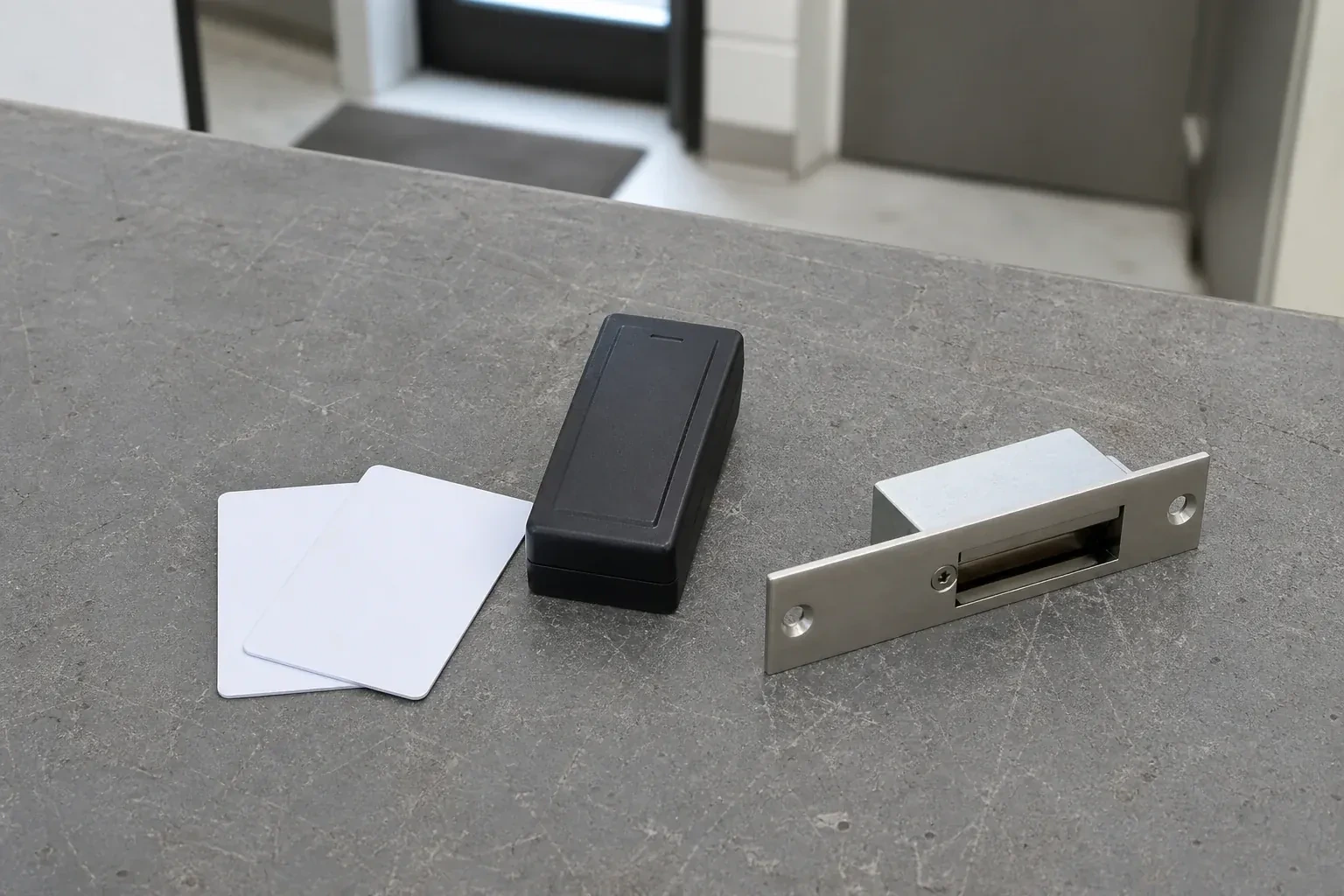
- Access Control InstallationThe back door of the shop runs on one key, and by now it lives on six different rings: yours, two managers, a cleaner, a supplier who restocks early, and a keyholder nobody quite remembers approving.
- Panic & Exit HardwareThe fire inspector's note is blunt: the banquet hall's second exit still turns on a deadbolt, and the crowd it is rated to hold needs a door that opens under one motion, no key involved.
- Commercial-Grade Lock ReplacementAn inspection report flagged the rear exit as needing hardware that opens with one motion and no key, and that door currently has an ordinary keyed knob on the inside.