Car keys · Normanhurst
Car Key Replacement in Normanhurst
The key snapped at the head while you were turning it in a stiff, frosty door lock.
In plain words
Winter produces its own kind of key trouble. Coin cells lose output in deep cold, so a fob that was fine in October goes quiet in January; a fob dropped in slush or lost under a snowbank is gone until spring; and the mechanical door lock on a keyless car, untouched for years and crusted with road salt, is stiff exactly when you need it. A replacement visit in these conditions covers it all: a working fob, fresh batteries, a cut emergency blade, and a door cylinder cleaned and lubricated per the maker's instructions, so the metal key is a real backup rather than a decoration.
How the visit goesAfter fifteen years the blade has worn to a smooth sliver. It needs a jiggle in the ignition most mornings, this week it took three tries, and a copy cut from that same worn key would only carry the wear forward.
Car Key Replacement
How the visit goes
Reading the VIN for the key system
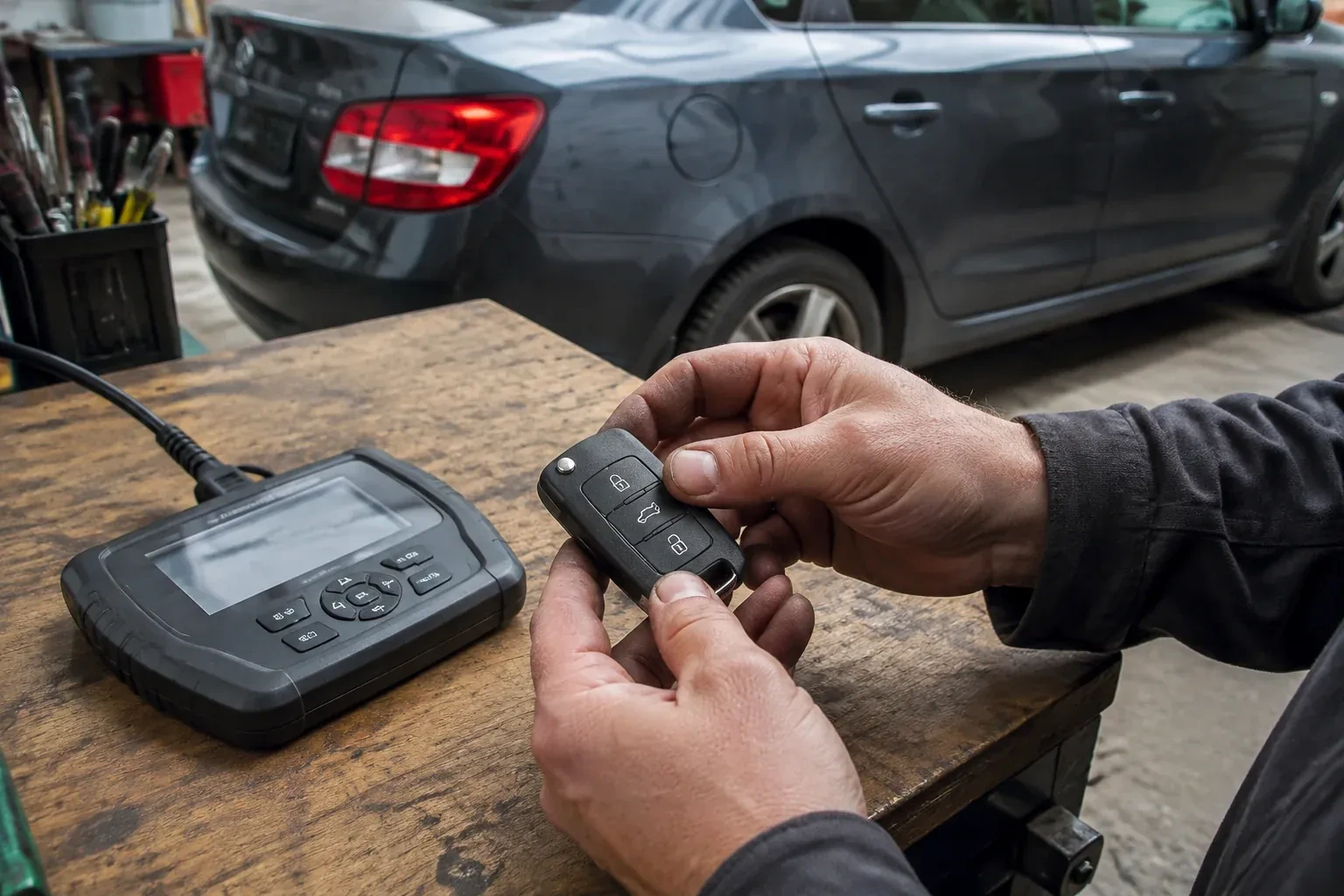
The seventeen-character VIN tells the locksmith what kind of key the car was built with. From it, together with the year, make and model, comes the blade profile (a plain edge cut or an internal high-security cut), the transponder type and immobilizer generation, the remote's frequency and part number, and whether the car uses a proximity fob, or instead a phone-key or key-card system with no cut blade at all. This lookup happens before the visit so the correct blank, shell or fob is in the van, and it flags systems needing a security PIN, manufacturer data or a dealer procedure. A photo of the old key, if any survives, confirms the reading.
Pairing the remote and the proximity fob
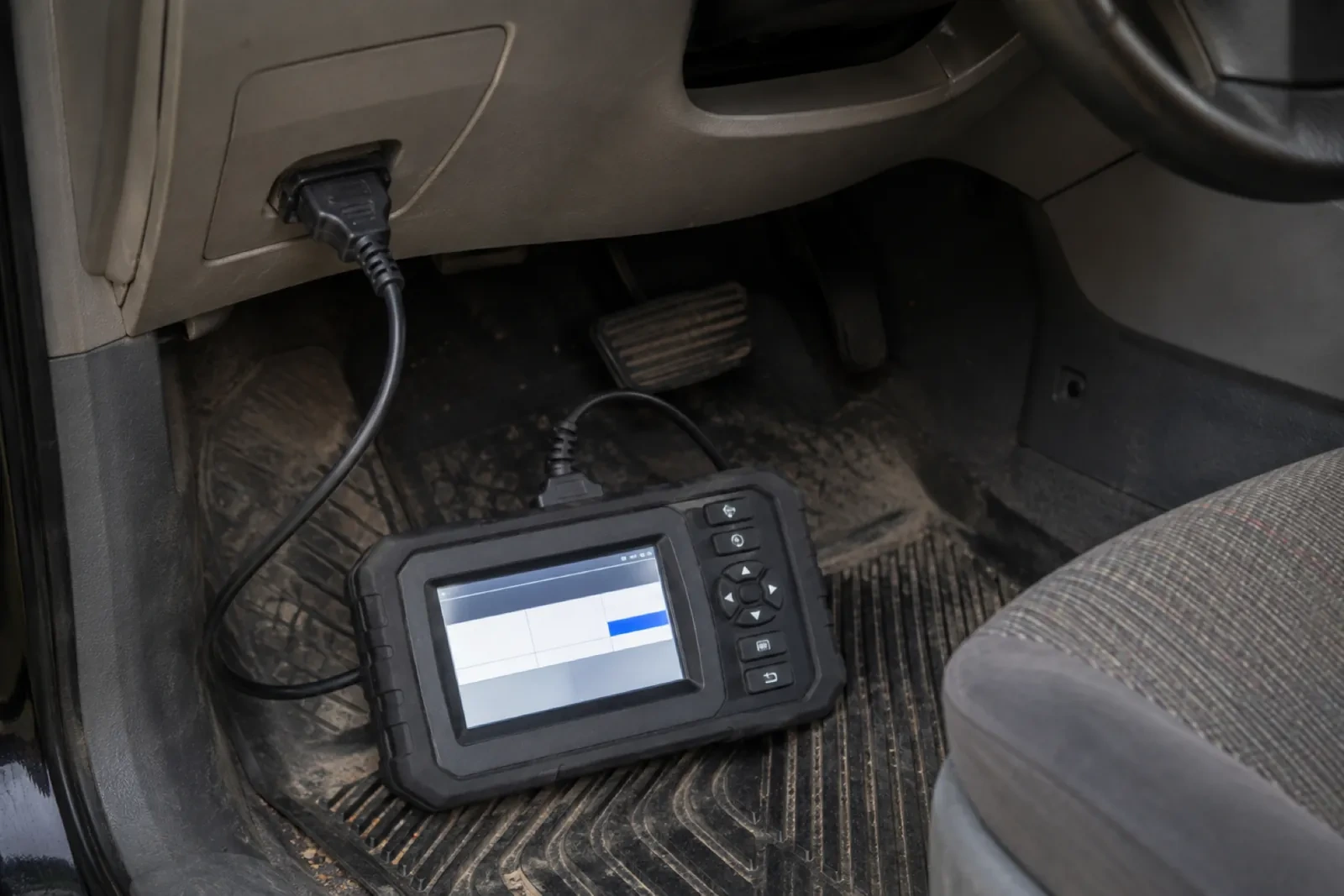
The buttons on a key and the transponder in it are usually separate systems, and the remote is paired in its own step. Depending on the vehicle, that is an on-board routine of ignition cycles and button presses, or a command sent through the programming tool. A proximity fob is registered so the car detects it near the door handles and inside the cabin, and push-button start is tested with the fob in a pocket, then held against the start button as the backup method. Remote start, trunk release and panic are checked one at a time, since a wrong part number can pass every step except the one you use most.
A record of what your key actually is
A car key has an identity of its own: a blade profile, a transponder type, a remote frequency and a part number, and sometimes a key code printed on a tag. The locksmith notes these for you, along with the count of keys stored in the car, so the next spare can be prepared from the details rather than from scratch. Keep the note with your insurance papers rather than in the car. If the vehicle ever changes hands, the record also lets the new owner have the old keys erased and fresh ones made without guesswork about what the car uses.
Car Key Replacement
In the van
Remote-head key shell
Transponder chip
OBD programming tool
Security PIN or secure-data access
Vehicle battery maintainer
Car Key Replacement
What affects the quote
One working key or none
A spare added beside a working key is a shorter routine. Starting from nothing means working through whatever that vehicle's own all-keys-lost procedure calls for, commonly opening the car, decoding the lock and resetting the immobilizer, and the quote reflects those extra stages.
Shell only, or a complete key
If your key's electronics are healthy, a new case and blade around the old board is a smaller job than a complete key with programming. The inspection decides which, before anything is quoted.
Programming route the car allows
Some vehicles accept a new key through an on-board routine, most through the programming tool, and a few only through a dealer procedure. The route determines the time and the data involved, and the quote says which it is.
What to have ready
- Has the car's battery been flat or disconnected recently?
- Was the key lost, stolen, broken, or damaged by water?
- Is the car registered in your name, leased, or owned by a company?
Car Key Replacement: questions
QuestionsDoes programming a new key affect the keys I already have?
Adding a key leaves the existing keys in place; the car simply learns one more. The exception is a deliberate all-keys-lost reset or an erase you ask for, which clears every stored key and then registers only the ones you present. For that reason the locksmith asks you to bring every key you own to the visit, so each one can be re-registered and tested rather than left behind and forgotten by the car.
What is the difference between adding a spare and replacing all keys?
Adding a spare uses an existing working key as the reference: the new blade is cut and checked against it, and the immobilizer is asked to accept one more key alongside the old. Replacing all keys starts with nothing: the lock is decoded for a blade, and the immobilizer is reset to forget every previous key before new ones are stored. The second job is longer and sometimes needs manufacturer data, one more reason to keep a spare.
My fob is cracked but still works. Do I need a whole new key?
Usually not. A cracked case often protects a healthy circuit board and transponder, and those can be moved into a new shell of the same pattern with a freshly cut blade. Because the electronics are unchanged, nothing needs programming, and the rebuilt key behaves exactly as before. A new key is the answer when the board is corroded, a button has died or the chip has been damaged.
Related services
- Spare Car Key DuplicationThe blade on the everyday key has gone shiny and thin along one edge, and lately it needs a wiggle before the ignition catches.
- Key Fob ProgrammingA new driver has joined the household, and the one existing fob is the only key anyone has ever had cut for this vehicle.
- Transponder Key ProgrammingThe car came with a single key when the sale went through, and that key is the only thing standing between the household and being stranded.