Car keys · The Delta
Spare Car Key Duplication in The Delta
The blade on the everyday key has gone shiny and thin along one edge, and lately it needs a wiggle before the ignition catches.
In plain words
A vehicle that arrives with only one working key is a common situation after a private sale or an estate transfer, and it is one of the more straightforward calls a locksmith takes. Working from the single key and the vehicle itself, the blade is duplicated or cut to code, and the immobilizer chip is matched or freshly programmed so the new key is recognized on its own. Both keys are tested in the doors and the ignition before the appointment ends, which also gives the vehicle a documented second key from that point forward instead of an unknown history.
How the visit goesThe proximity fob has ridden in a pocket for years, the range feels shorter than it used to, and a dashboard warning mentioned a battery a while back. Nobody has sorted out what happens on the day it finally goes dark.
Spare Car Key Duplication
How the visit goes
Checking how many keys already exist
A vehicle can be sitting on more than the one key its owner mentions, and an honest account of every key, valet key and remote in circulation shapes what happens next. If two or three already exist and work, a new spare simply joins that set. If a key was lost some time ago and never accounted for, that shifts the conversation toward reprogramming the whole system to drop the missing one, rather than quietly adding a fourth key to a set that already has an unknown copy loose somewhere. Either way, knowing the real count is worth establishing before cutting begins.
Giving the new key its electronic identity
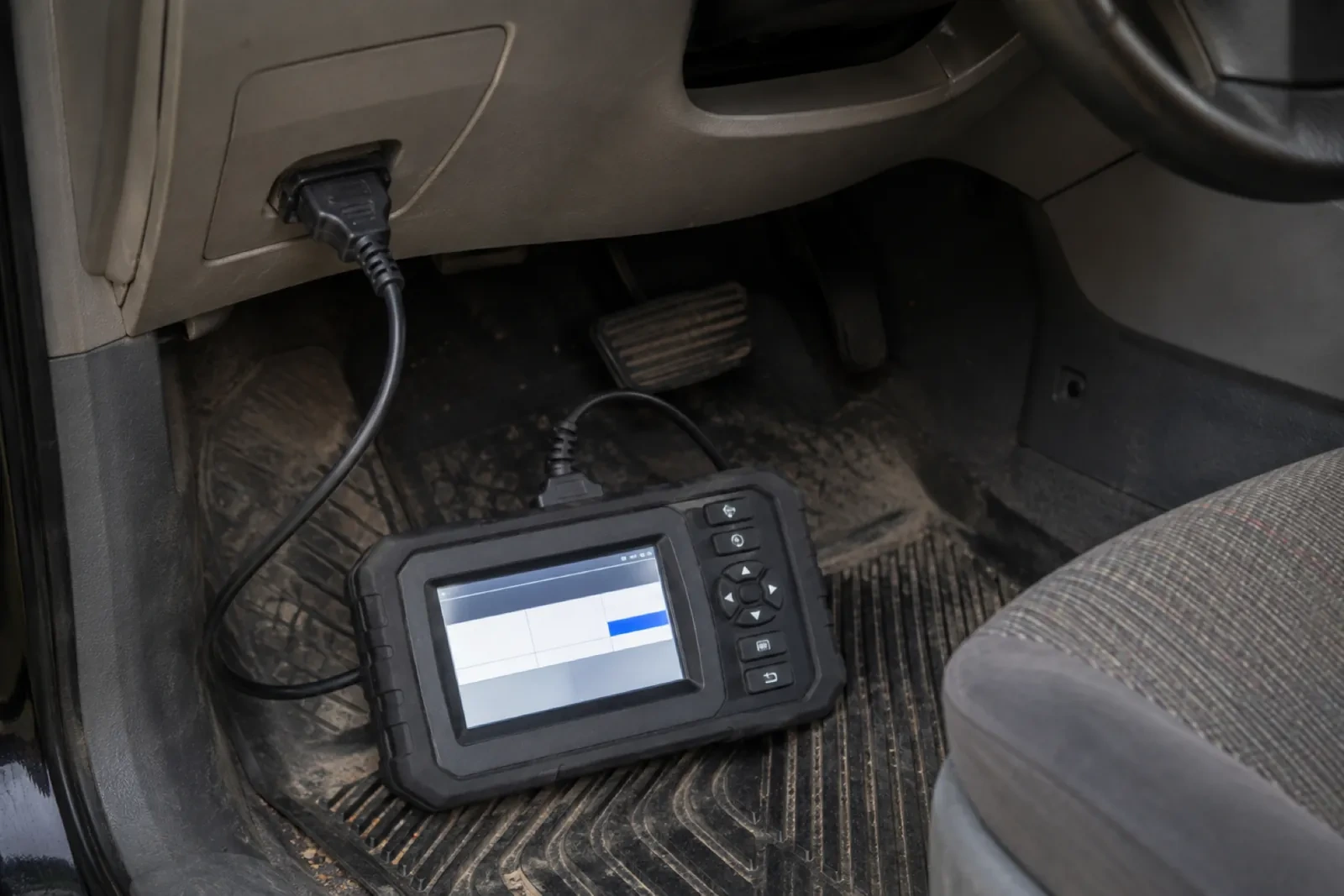
A cut blade alone will turn the lock but will not start a car with an immobilizer, so the new key also needs the chip data the vehicle expects. Where the transponder supports it, the original's data is read and cloned onto a fresh chip directly, sometimes with the help of vehicle-specific data pulled from the car itself. Where cloning is not supported for that application, the locksmith instead connects to the vehicle's diagnostic port and walks the car's own security module through enrolling the new chip as an additional valid key, a process that can take longer but produces a key the vehicle recognizes on its own rather than one imitating another.
Passing a key to someone else
When the new spare is meant for a specific person rather than a drawer, such as a family member at another address or a regular caretaker for the vehicle, it is worth agreeing at handover what that person's key is expected to do and what happens if their circumstances change, such as no longer needing access. On some vehicles, removing one person's key later means the immobilizer's whole key memory is cleared and every remaining key has to be brought back and registered again, so it is worth knowing at handover whether that particular vehicle works that way.
Spare Car Key Duplication
In the van
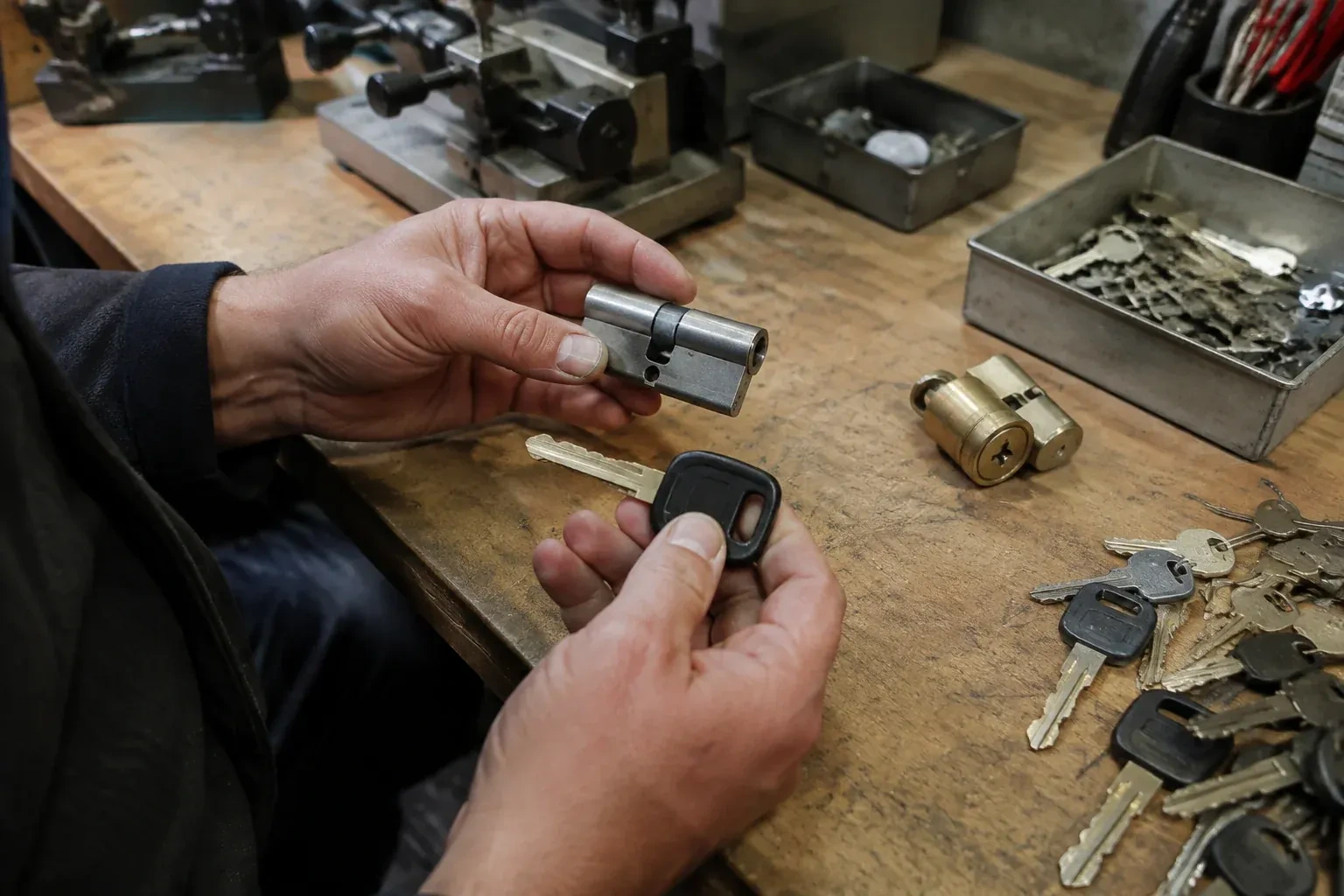
Key blank matched to blade profile
Code-cutting machine
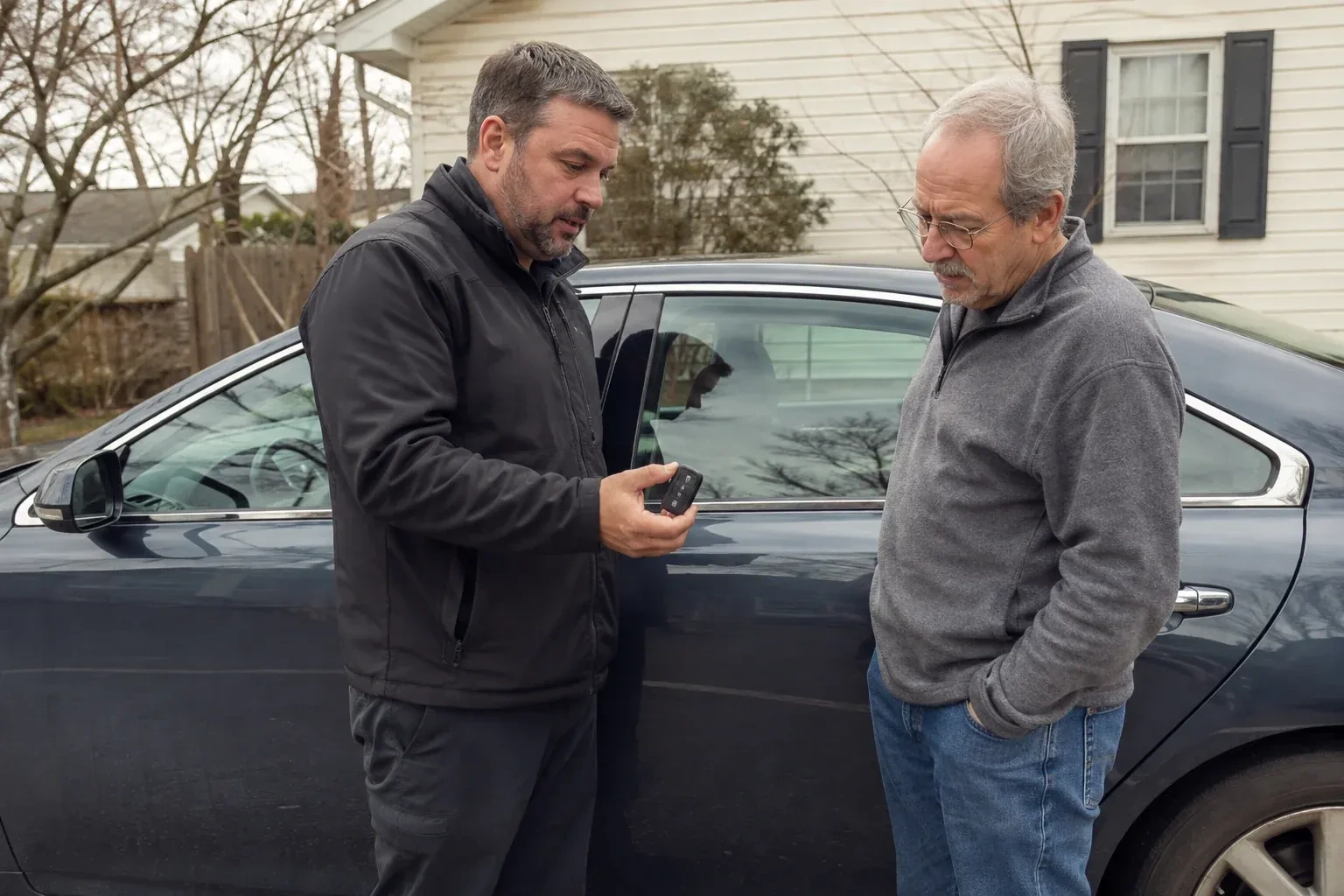
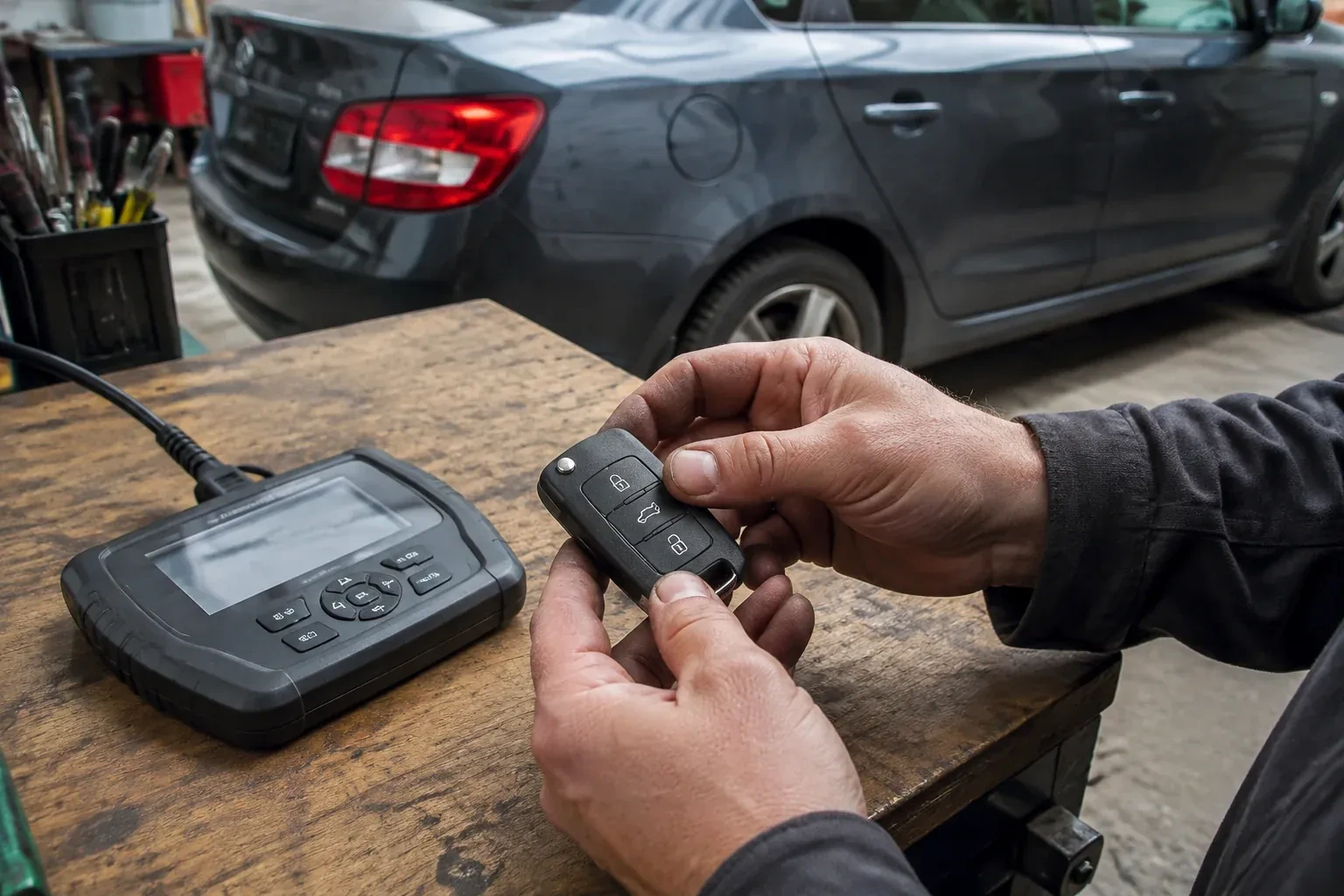
Remote-head key shell
Diagnostic port programming interface
Key duplicating machine
Spare Car Key Duplication
What affects the quote
Aftermarket alarms or remote starters
A factory system wired into a third-party alarm or remote starter can add extra steps to programming, since the added equipment sometimes changes how the vehicle's module responds during enrolment.
Which key system the vehicle uses
A plain mechanical blade, a transponder key, a remote-head key and a proximity fob each call for different tools and different amounts of time, so identifying the system early shapes the whole quote before any cutting or programming starts.
How many keys are needed
Making one spare is a smaller job than producing several matching keys for a whole household or a small fleet in the same appointment, and the quote reflects how many are wanted.
What to have ready
- Does the key have buttons, a chip, or neither?
- Is there more than one vehicle you would like keyed the same way?
- Has the vehicle had an aftermarket alarm or remote starter installed?
Spare Car Key Duplication: questions
QuestionsHow is a proximity or smart key different to duplicate compared to a regular key?
A proximity key usually has no blade to trace, so the process is almost entirely electronic: pairing a new fob to the vehicle's receiver and enrolling it through the diagnostic connection so the car recognizes it as an additional key. Many still hide a small mechanical blade inside the shell for emergencies, and that blade is cut separately to match the door lock, even though it is rarely used day to day.
Can one key work for two vehicles?
Sometimes, when both vehicles share a compatible lock family and immobilizer system, most often two vehicles from the same manufacturer and a similar era. Sharing a keyway is not enough on its own: the two locks also need a bitting that satisfies both, or one vehicle's cylinders get rekeyed to match, and the transponder has to be capable of authorization on both immobilizers. Where they do not line up, the practical answer is two separate keys carried together on one ring.
Does the new key need to be identical to the original?
Not necessarily. Most households want a spare that behaves exactly like the first key, and that is the default. Some prefer a simpler version for a particular driver, such as a mechanical key without remote buttons for a valet or a young driver. Either choice is a programming decision made at the start of the visit, and the resulting key is fully recognized by the vehicle either way.
Related services
- Car Key ReplacementThe key snapped at the head while you were turning it in a stiff, frosty door lock.
- Key Fob ProgrammingA new driver has joined the household, and the one existing fob is the only key anyone has ever had cut for this vehicle.
- Transponder Key ProgrammingThe car came with a single key when the sale went through, and that key is the only thing standing between the household and being stranded.