Car keys · The Delta
Motorcycle & Scooter Keys in The Delta
The key turns half a rotation in the ignition, catches, then the blade lets go with a small snap.
In plain words
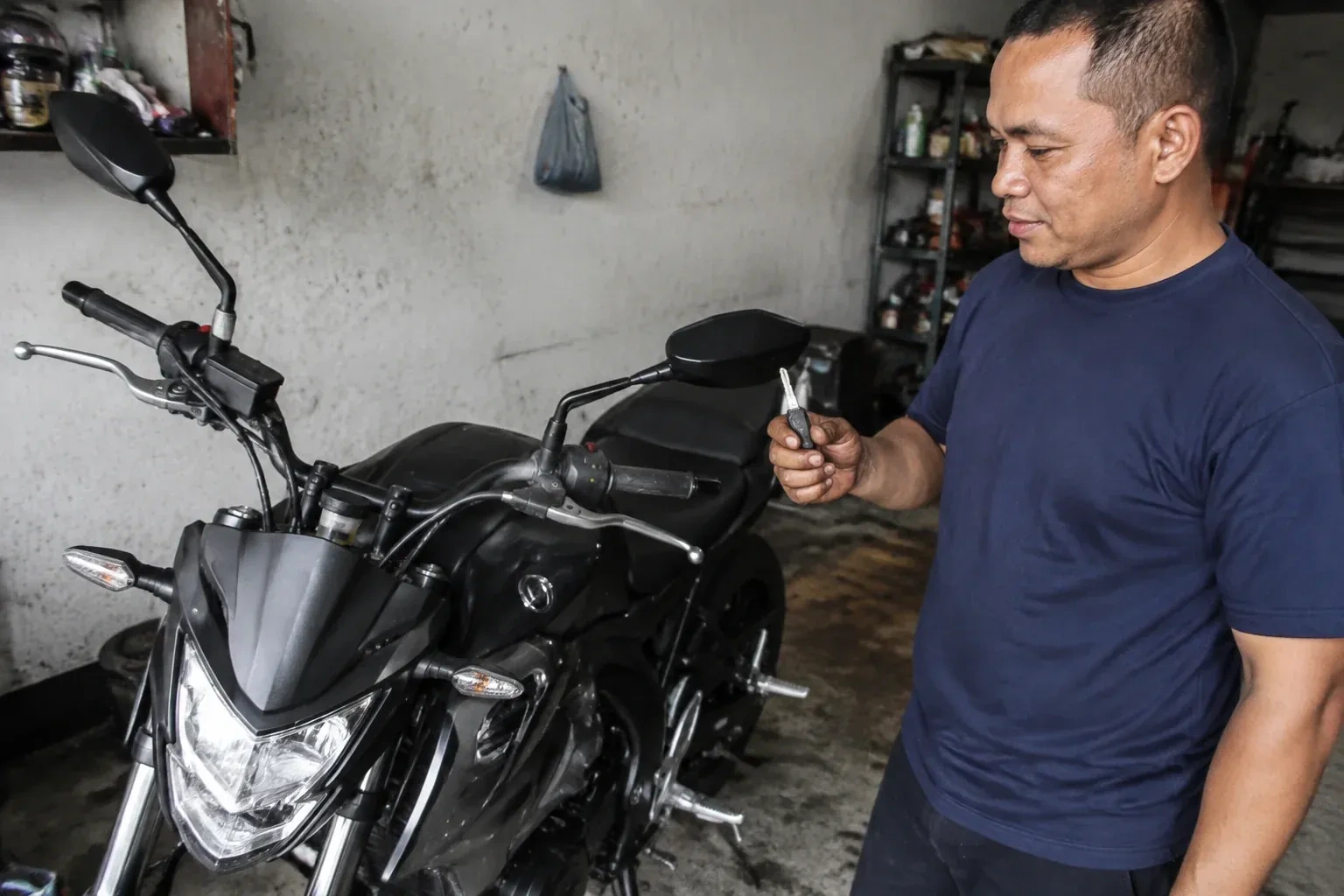
Newer machines add an electronic layer to a mechanical lock: a chip inside the key carries a coded signal that the ignition module checks before letting the engine run, so a correctly shaped blade that lacks the right chip will turn the switch without starting anything. Producing a working key for one of these machines means pairing a new transponder to the vehicle's electronics where that system supports it, using either an existing key as a reference or equipment built for it, though some systems need a dealer procedure or a code key only the manufacturer issues.
How the visit goesThe key turns half a rotation in the ignition, catches, then the blade lets go with a small snap. The bow is still in your hand; the rest of it is somewhere inside a lock that now has nothing to grip.
Motorcycle & Scooter Keys
How the visit goes
Confirming who is asking
Before any lock is touched, the locksmith confirms that the person requesting a key has a real connection to the machine: vehicle registration, an insurance document that matches the plate, or a bill of sale for a recent purchase all work. Where paperwork is not on hand, a dealership record, a family member who can vouch for the owner, or a photo of the machine alongside identification often fills the gap. This step takes only a few minutes and stands ahead of any cutting, decoding or programming, since a working key is something that should only ever go to the person meant to hold one.
Decoding a lock with no key at all
Without any key to copy, the lock has to speak for itself. The locksmith picks the cylinder and reads each wafer's resting depth with feeler tools or a small scope, or uses a decoder built for that keyway, translating what is found into a cutting code. A key is then cut to that code and tested in the lock before being trusted on the ignition proper. This route takes longer than copying an existing key, since every wafer has to be read individually, but it produces a key that matches the lock exactly rather than an approximation.
Looking after a wafer lock
A wafer lock rewards a little occasional attention. Cleaning matters more than lubricant for a wafer lock like this; where the maker calls for it, a puff of the specified lubricant into the keyway once or twice a year keeps the wafers moving freely. Wiping the key itself clean before use, especially after a wet ride, keeps grime from being carried into the lock on every insertion. These are small habits, but they are the difference between a lock that turns the same way for years and one that slowly stiffens.
Motorcycle & Scooter Keys
In the van
Motorcycle key blanks
Contact cleaner
Torx and security bits
Pick and tension tools
Code-cutting machine
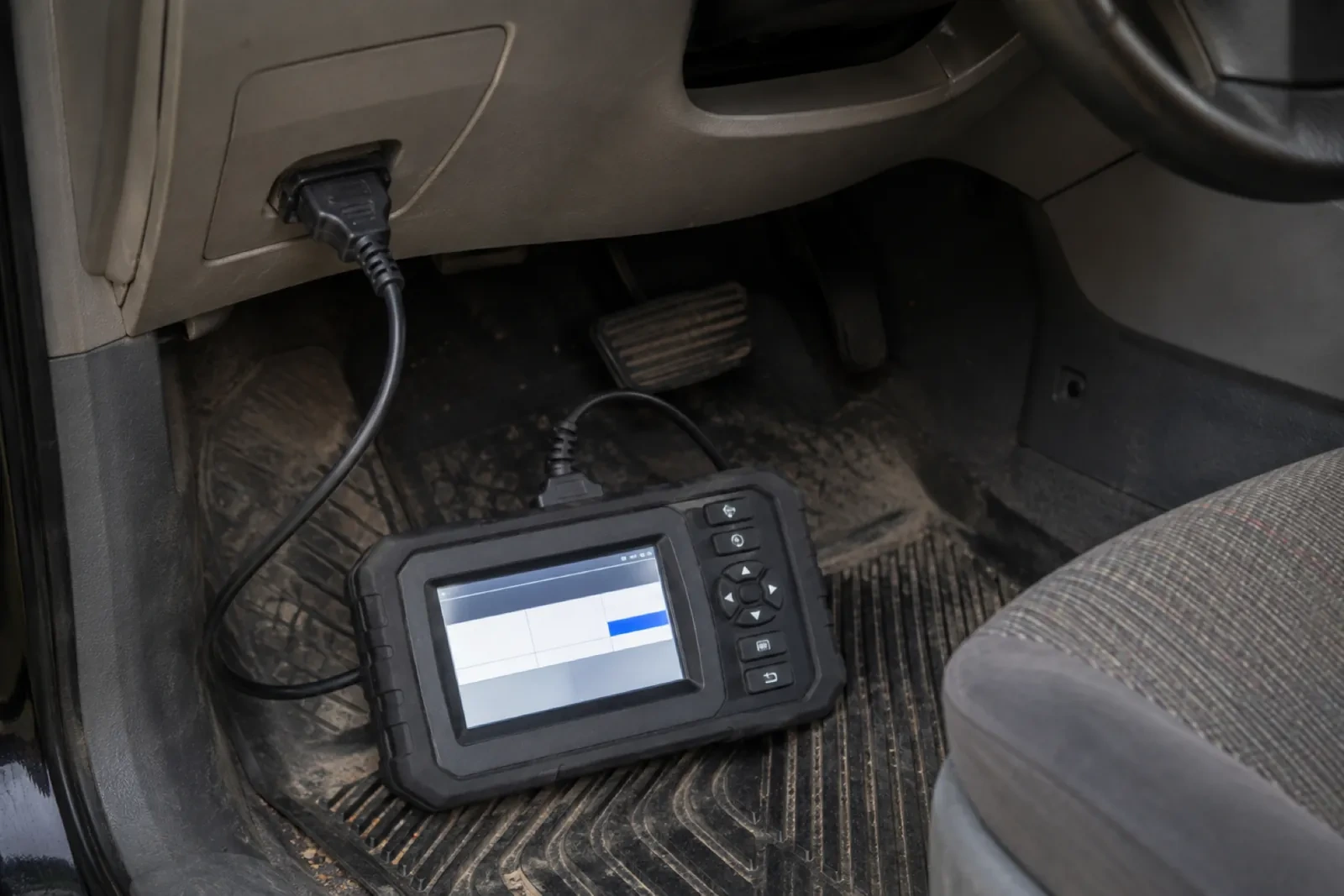
Motorcycle & Scooter Keys
What affects the quote
Bringing multiple locks onto one key
Bringing the seat, fuel cap or a storage lock onto the ignition's key is extra work per lock rekeyed, separate from cutting the key itself, and is priced as its own line.
Weather affecting a seized lock
A lock seized by cold, ice or dried-out grease from a season of storage takes patient thawing and working before a key can be tested against it, which a winter call reflects.
Distance to the machine's location
Distance to wherever the machine is kept, whether a driveway across town or a more remote property, is part of every call, and travel time is reflected alongside the key work itself.
What to have ready
- What is the make, model and year of the machine?
- Has anyone already tried to cut or copy this key elsewhere?
- Was the machine bought used, and how many keys came with it?
Motorcycle & Scooter Keys: questions
QuestionsShould I get a whole new ignition switch or just a new key?
That depends on the lock's condition rather than the key alone. If the wafers and springs inside are still sound, a correctly cut key restores normal operation without any hardware changed. A lock with worn-oval wafers, a cracked housing, or damage from an earlier forced attempt is better replaced outright, since a new key cannot compensate for parts that have physically worn or broken.
Can a rusted or gritty lock still be opened and given a new key?
In most cases, yes. The lock is cleaned out, its wafers and springs cleared of grit and corrosion, and the mechanism dressed with whatever lubricant its own maker specifies before a new key is cut or tested. Only a lock that has corroded to the point of cracking or seizing solid tends to need outright replacement rather than cleaning, and that is usually visible once the lock is opened up for inspection.
Can the seat, fuel cap and ignition all be set to the same key?
On many serviceable, compatible systems, yes. Each lock is opened and its internal wafers are replaced with a set cut to match the ignition's combination, the same principle used to rekey a house lock applied to smaller hardware. Every lock is tested individually afterward so the finished key is confirmed against each one rather than assumed to work. Locks that were never on the same key from the factory can usually be brought together this way during one visit.
Related services
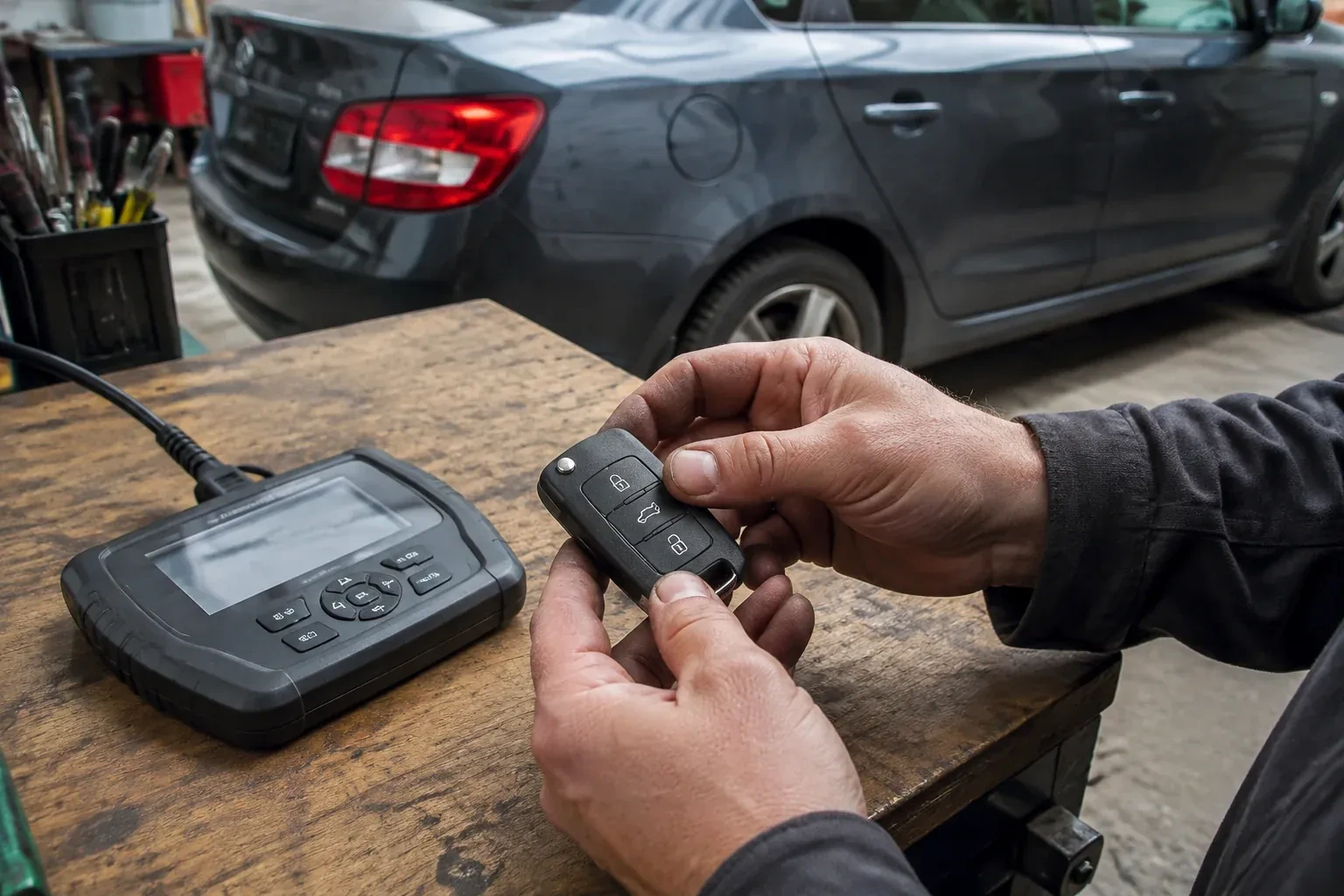
- Car Key ReplacementThe key snapped at the head while you were turning it in a stiff, frosty door lock.
- Spare Car Key DuplicationThe blade on the everyday key has gone shiny and thin along one edge, and lately it needs a wiggle before the ignition catches.
- Key Fob ProgrammingA new driver has joined the household, and the one existing fob is the only key anyone has ever had cut for this vehicle.