Lockouts · Hamilton
Lost Keys — Same-Visit Rekey in Hamilton
Your purse was taken from the back of a chair at a restaurant.
In plain words
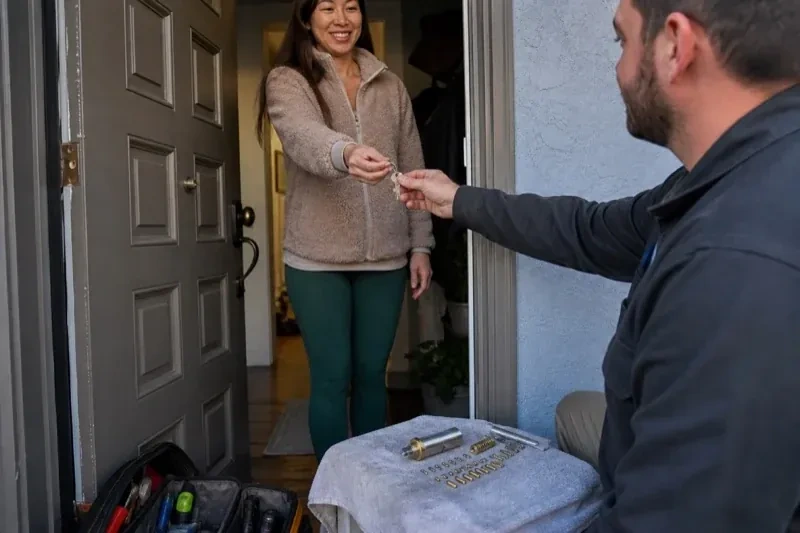
If you rent, losing a key is handled in three steps rather than one. Tell your landlord first, since a lock change on a rented unit goes smoother when both sides know about it and both end up with a working key. Then the locksmith rekeys the suite door, and any other cylinder that key fitted, with both parties knowing. Finally new keys are cut for you and for the landlord's set, so the arrangement that existed before the loss is restored on a fresh combination. Landlords generally welcome the call; their hardware stays in place and their own key set is refreshed too.
How the visit goesYour purse was taken from the back of a chair at a restaurant. The cards can be cancelled by phone tonight, but the house keys were in the side pocket beside a driver's licence that shows exactly where those keys fit.
Lost Keys — Same-Visit Rekey
How the visit goes
Reading each cylinder before it comes off the door
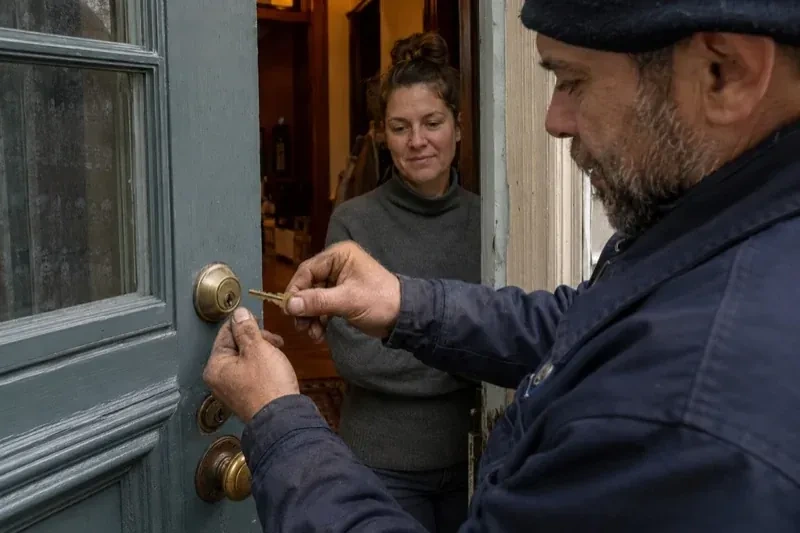
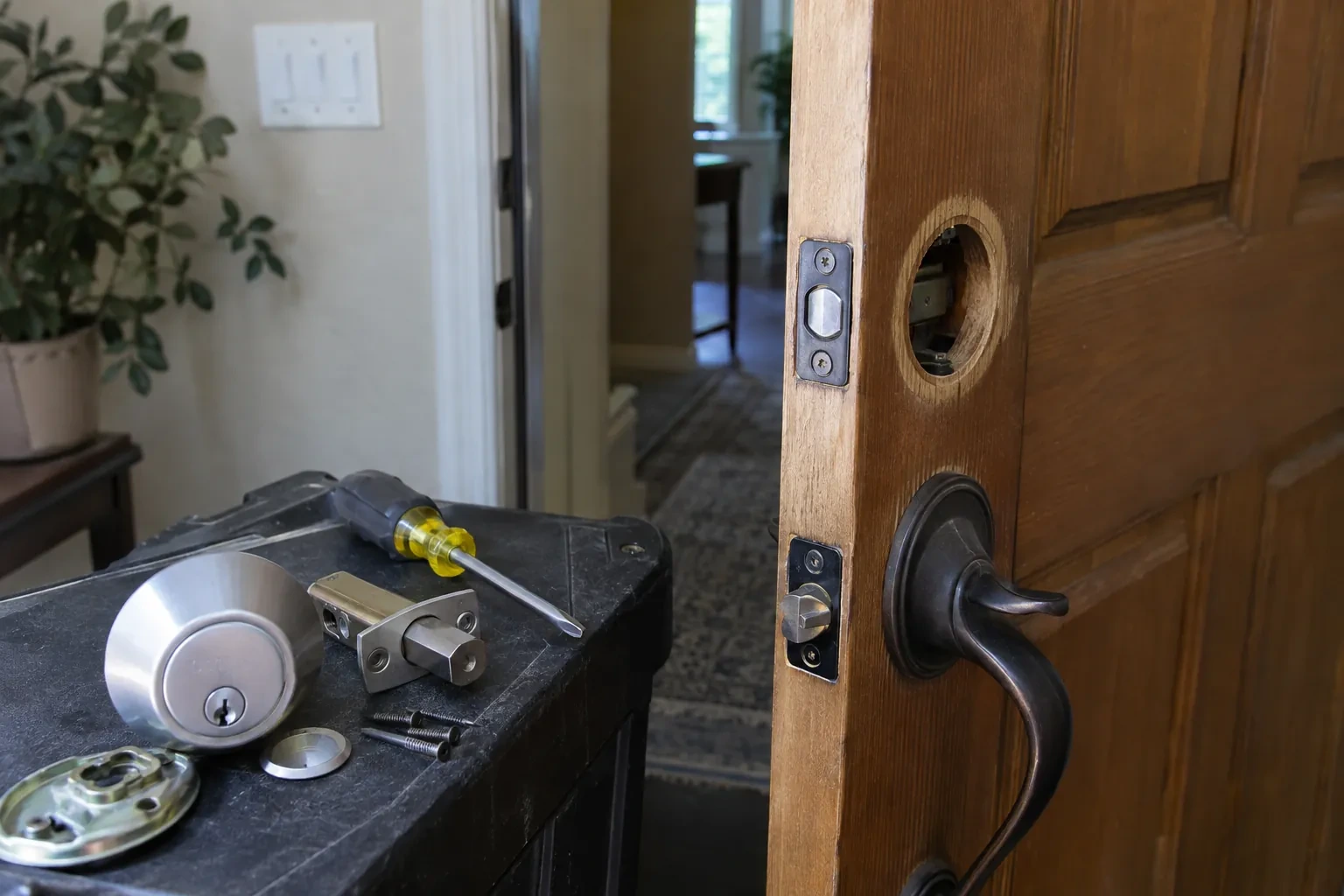
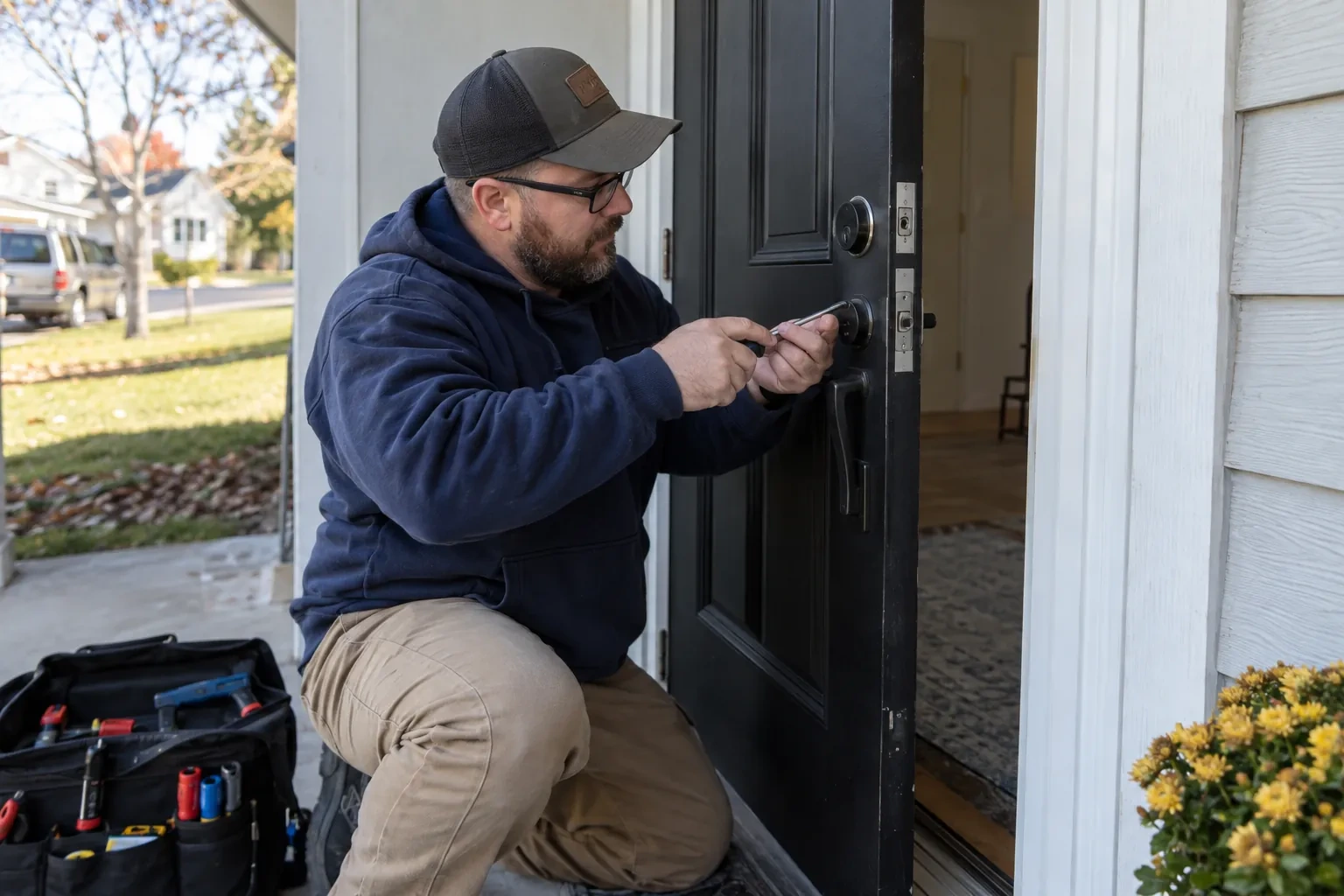
Every cylinder on the list gets a close look while it is still in the door. The keyway shape and the maker's stamp tell the locksmith which pin kit fits and whether the keys can be cut on the van. The feel of the plug with a working key, if one exists, says whether the pins and springs are healthy or tired. Corrosion on the face, a wobbly plug or a key that needs a jiggle points to a cylinder that will benefit from cleaning or replacing while it is out. A homeowner-rekeyable cylinder, recognisable by its small reset slot beside the keyway, calls for a different tool and gets noted.
Resetting a homeowner-rekeyable cylinder without its key
Some newer residential locks carry a small slot beside the keyway that lets a homeowner change the key with a learn tool, but only while a working key is in hand. When that key is the one that was lost, the locksmith uses the manufacturer's reset tool instead: the cylinder is pulled from the lock, seated in the reset fixture, and its internal sidebar and wafers are returned to a blank state. A new key of the right blank is then inserted, the learn tool sets the cylinder to it, and the lock goes back on the door taking the new key and rejecting the old one.
Cylinders that turn more sweetly than before
A cylinder that has been apart, cleaned and repinned usually feels better than it did before the key went missing. Old grease, road salt and the grit that collects in a keyway over a decade came out with the plug, and a dry lubricant went in. Keys cut to code seat fully and lift each pin cleanly. If a door had a key that needed a wiggle or a shove, that is often gone. Follow your lock's own maintenance guidance to keep it that way: many cylinders take a puff of graphite or PTFE into the keyway now and then, some a specified liquid lubricant instead; general household oils and sprays collect dust and gum the pins.
Lost Keys — Same-Visit Rekey
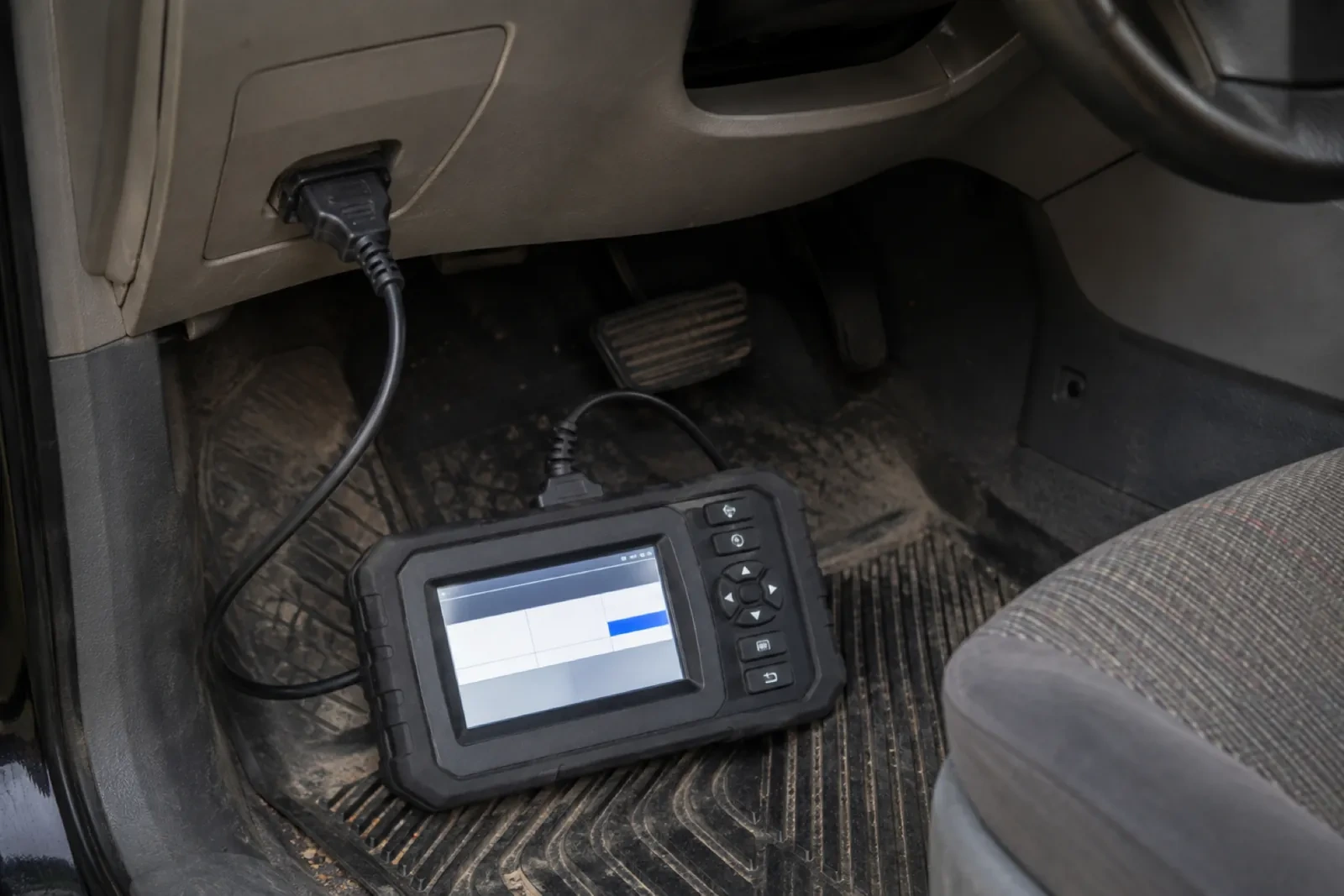
In the van
Rekeyable-cylinder reset tool
Dry graphite or PTFE lubricant
Code key machine
Key blanks in common keyways
Pin tweezers and shims
Lost Keys — Same-Visit Rekey
What affects the quote
Paperwork for a landlord or building
Where a landlord, condominium or lease requires a written record of the lock change and key count, preparing that note and any key register update is a small named item.
Number of keys cut
New keys are cut on site and counted individually. Two for a couple or six for a household with teenagers and a sitter: name the number and the quote reflects it.
Getting to each cylinder
Doors spread across a large lot, a suite up several flights behind a locked lobby, or a gated property with a padlock at the road add walking and waiting time that the quote allows for.
What to have ready
- Would you like every exterior door to work on one key?
- Was a garage remote, building fob or car key on the same ring?
- Do you currently have a way inside, or are you locked out as well?
Lost Keys — Same-Visit Rekey: questions
QuestionsDoes rekeying weaken the lock?
No. On a conventional pin-tumbler cylinder, the housing, springs and top pins are untouched and only the bottom pins are exchanged for the same grade of part the lock left the factory with; a homeowner-rekeyable design is reset through its own procedure instead, and a high-security cylinder may also need its sidebar or finger-pin elements reset. If the locksmith notices worn parts, replacing them is offered as a separate step, leaving the lock stronger, not weaker.
How long does a whole-house rekey take?
Plan on an hour or two for a typical house with three or four cylinders, including the walk-through, identification, pinning, cutting and testing. Each additional cylinder adds a little, as does swapping a cylinder to bring a mismatched door onto the same key, resetting a homeowner-rekeyable lock or clearing a garage opener. The locksmith gives a realistic window on the phone once the list of doors is known.
What should I do before the locksmith arrives?
Walk the property and note every door the missing key opened, including the garage, shed and gate. Gather any keys you still have, since a working key helps in reading each cylinder. Have identification and, for tenants, something showing the tenancy. Decide roughly how many keys you want and whether you would like all doors on one key. If a garage remote or building fob was lost too, mention it when you book.
Related services
- Business Lockout ServiceA cook stepped into the alley with the recycling and the rear door swung shut behind him.
- Broken Key ExtractionYou were locking up on the way out when the key broke in the lock.
- Break-In Damage Lock RepairPolice have come and gone, the occurrence number is on a sticky note, and you are standing in a cold hallway looking at a splintered frame, wondering how the house gets locked before everyone tries to sleep.